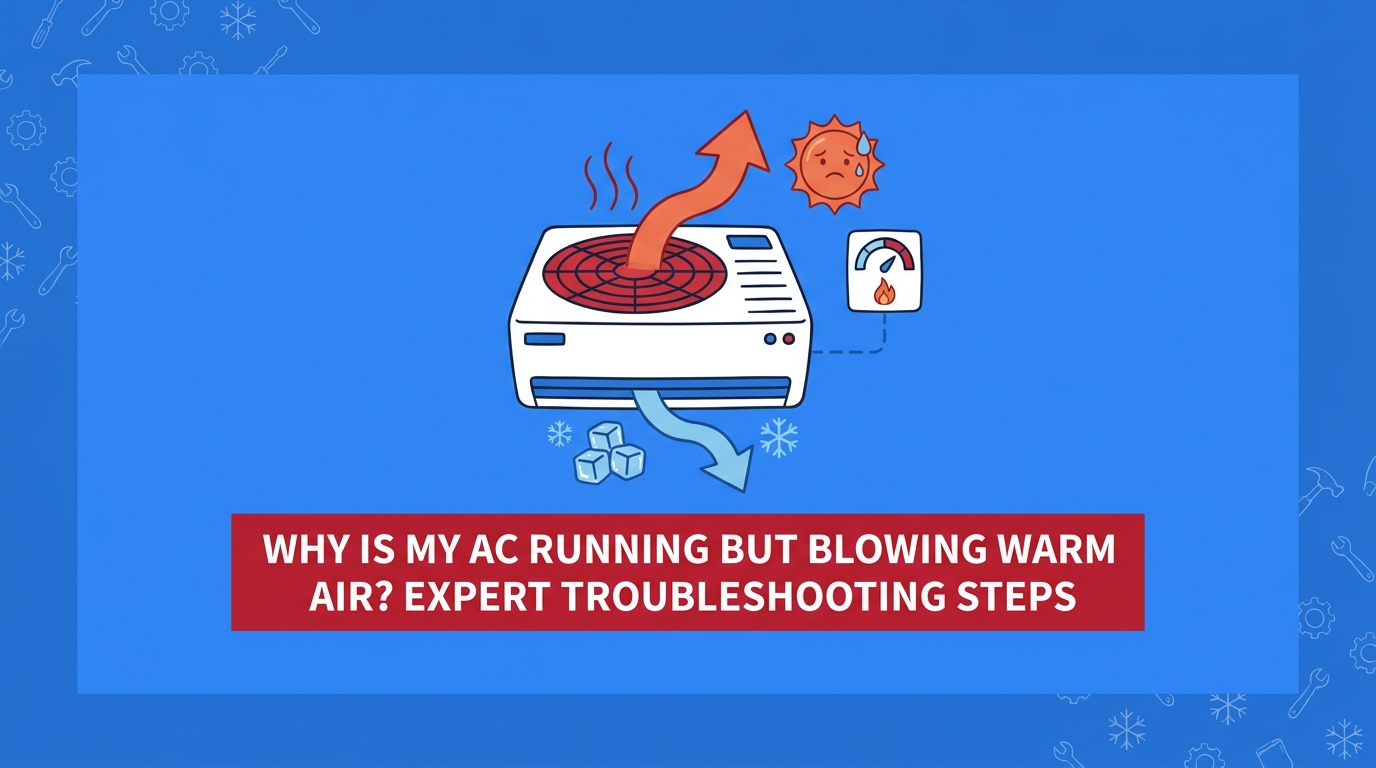
Why Is My AC Running But Blowing Warm Air? Expert Troubleshooting Steps
Why is your AC blowing warm air? Get clear answers on thermostat settings to check and see common homeowner questions answered before calling for a repair.



As an emergency plumber, Sacramento’s Always Affordable Plumbing often gets calls from people in a panic. We’ve found that not much sends a homeowner into crisis mode faster than sewage bubbling up from the shower drain. And why wouldn’t it? It stinks, it’s gross, and it’s not sanitary.
Unfortunately, fixtures all over the house—including sinks, toilets, and tubs—have something in common. They are all connected to a main sewer line. Sometimes a blockage farther down that line can cause waste water from higher up to find the next best way out. If your shower drain is handy, then that’s where the nasty liquid will appear.
Sending the wrong stuff down the drain can lead to the formation of a blockage. Remember: If it’s not toilet paper (or what you use toilet paper to clean up), then don’t flush it. This includes sanitary pads, diapers, and even “flushable” wipes. Though some companies maintain that their wipes can safely travel through a home’s pipes, reality doesn’t always back up their claims. Tougher paper products that don’t easily break down can easily form a wad of material. This wad can, in turn, trap more material and collect smaller bits until it becomes a full-fledged block.
Learn more about sewer line backup here
Sinks can also be the entry point for substances that form sewer line blocks. Pouring grease down the drain is a bad idea, since the liquid can congeal when it cools. Soon, you’re dealing with a thick, solid blob that won’t let water (or anything else) pass. The pipes are all connected, so a plug that starts in the kitchen can then create problems in the bathroom.
Sometimes, the problem can come from outside the house. Trees are known to puncture and even crush pipes with their roots. Since the large plants are always in search of water, their roots explore and expand. Trees growing above or near a pipe may compromise the pipe as they grow. A hole in a sewer pipe is a definite problem, but not the only thing that can go wrong. Once a root gets into a pipe, it can grow until it blocks the flow. Even smaller roots can “collect” debris that then ultimately forms a larger blockage.
Old pipes—especially those made of clay—can also grow weak and collapse under the weight of the earth above them. Even if they are not under much weight, they may still crumble on their own due to age. Obviously, a collapsed pipe will slow or halt all liquid.
Everybody makes mistakes, and sometimes nature can’t be stopped. If you’re dealing with a blocked sewer line, call Always Affordable Plumbing. Our emergency plumber services are available 24 hours a day.
Service, quality, and affordability for our customers always comes first. Call today to schedule your appointment!
See what our satisfied customers have to say about their experience with Always Affordable
Plumbing & HVAC.

"Chappy was very skilled in his knowledge of my HVAC unit. I greatly appreciate the quick response and experienced tech. The whole endeavor was made less stressful by his humor and honest conversation. I find comfort in knowing I now have a shop i trust for the next time."
"Tony, James, Ronnie did an amazing job setting up our new AC! They were quick, efficient, considerate, and polite! We appreciate them scheduling us in on such short notice. Definitely recommend this company!"
"Prompt, professional service with kindness and care. They came out to address both plumbing and AC issues. I received a courtesy call before they arrived. All issues were resolved the same day with integrity and respect. Thankful for businesses like this. Absolutely recommend to those that I love."
"Excellent service! Jason came out promptly and in addition to doing my outside faucet he also put in new irrigation equipment! All done perfectly! Jason was lovely"
"Honest with the assessment; friendly and good manners. No high pressure sales. Just good to honest "tell it like you see it" Thought my kitchen disposer needed an overhaul. But Jason, there Plumber gave me an honest lesson on what was really happening. Saved me hundreds, if I went the route of replacing. Thank you!"
"Absolutely 5 stars. If you are looking for affordable ,professional and kind. Chappy was excellent and very knowledgeable . I called in the morning because my air conditioner stopped working he was here within hours and fixed my air with a smile. I highly recommend Chappy and Always Affordable plumbing and Hvac."
"Scott and James were great. They got there quickly and diagnosed the problem with my A/C.They did a very thorough job testing everything. Sent me pictures and called to keep me informed. Got it done the next day and everything is working fine. Be glad when I get home so I can enjoy my new system. Thanks guys for a great job."
"Chappy was very helpful. He knew our issue right away, cleaned our coils. He also came on the same day we called and got our AC blowing cold air again."
"After some timing ’curfuffles’ the Tech Jason arrived and not only completed a speedy install on my toilet, he was personable & professional. Because of the timing issues Jason was attentive and showed up with everything needed! No extra store runs 😊 I was very comfortable with having this Tech in my Daughter’s home. We will definitely use this Service again."