Seasonal Home Maintenance Checklist: Preventing HVAC and Plumbing Emergencies
Prevent HVAC emergencies with a seasonal home maintenance checklist. Why proactive scheduling beats waiting for sudden failures. See what needs attention now.



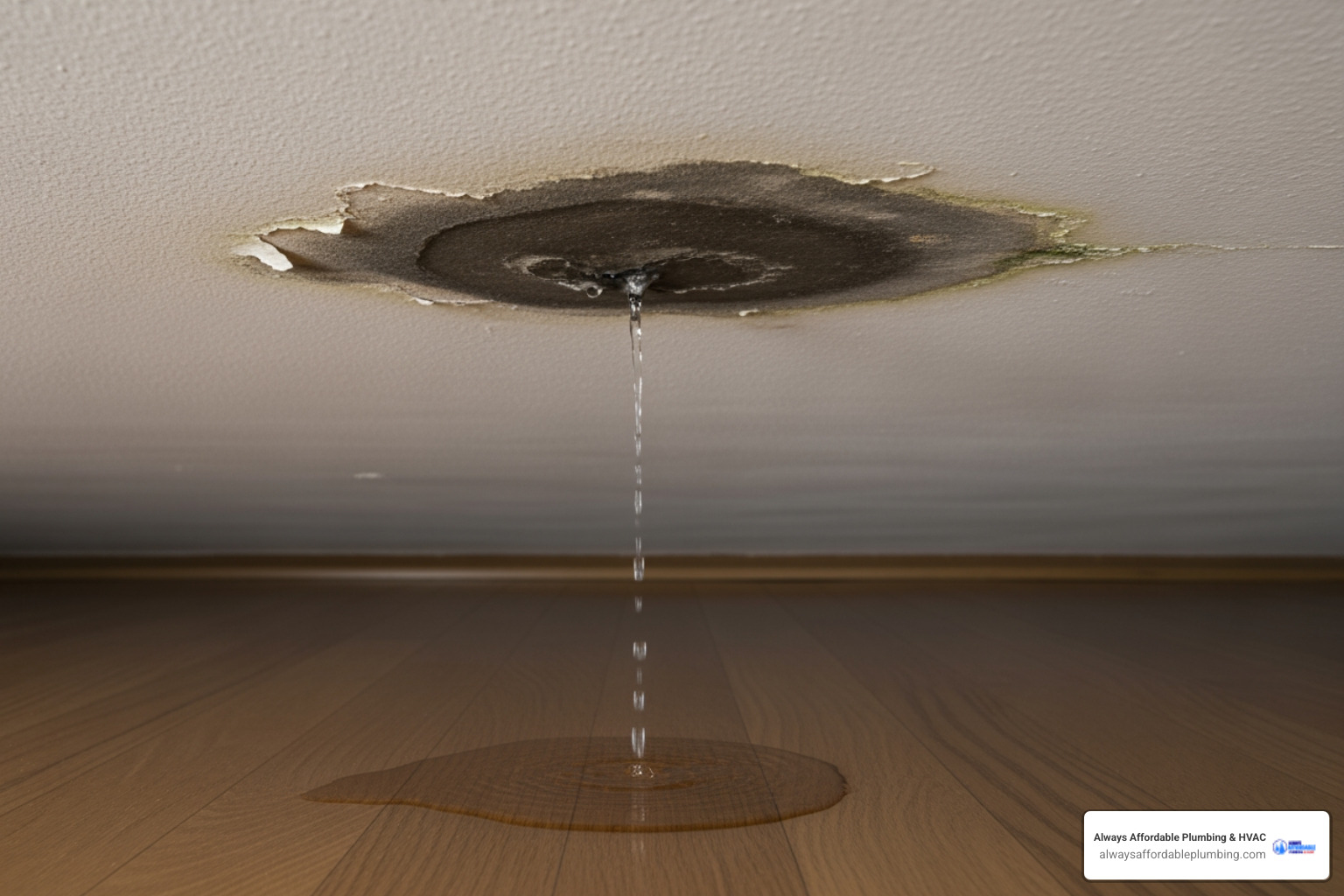
If you've found your ac leaking water from roof, you're facing a problem that needs quick attention. Water dripping into your home from your rooftop AC unit isn't just an inconvenience—it's a warning sign that something in your cooling system has failed. The good news is that most causes are fixable, and understanding what's happening can help you take the right steps fast.
Quick Answer: Common Causes of AC Roof Leaks
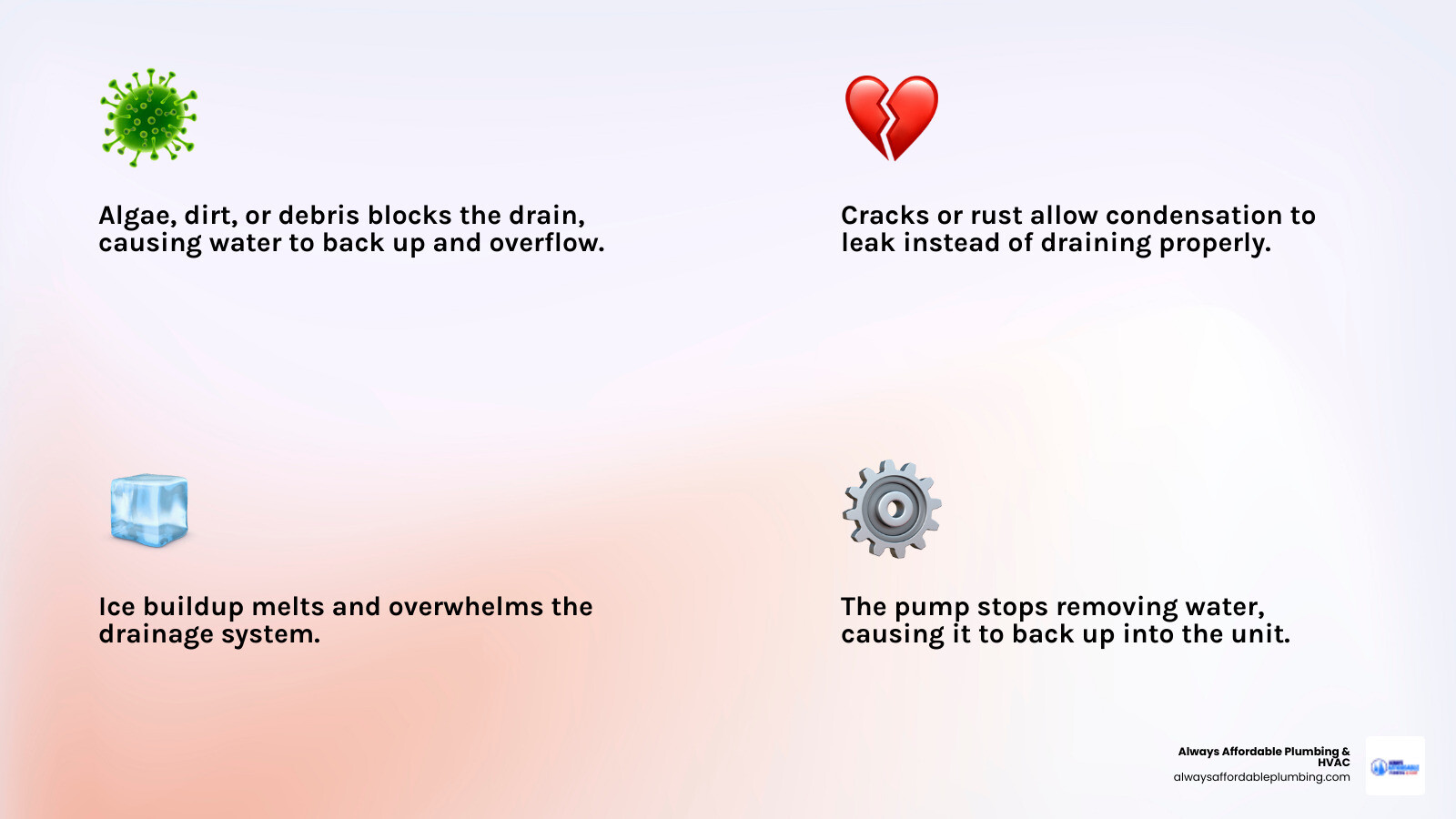
1. Clogged Condensate Drain Line - Algae, dirt, or debris blocks the drain, causing water to back up and overflow
2. Damaged Drain Pan - Cracks or rust allow condensation to leak instead of draining properly
3. Frozen Evaporator Coils - Ice buildup melts and overwhelms the drainage system
4. Failed Condensate Pump - The pump stops removing water, causing it to back up into the unit
For homeowners in Sacramento and surrounding areas, rooftop AC units work overtime during our hot summers. When condensation can't drain properly, it finds another path—often straight through your ceiling. Whether you're seeing water stains, hearing drips, or noticing damp spots, the source is usually one of a few common culprits that we'll walk you through in this guide.
For comprehensive air conditioning services throughout the Sacramento area, Always Affordable Plumbing & HVAC provides expert diagnostics and repairs. If you need immediate help, you can schedule an AC repair service today.
Most rooftop AC leaks happen because your unit naturally produces water as it cools your home. The moisture pulled from indoor air condenses on cold coils inside the unit, collecting in a drain pan that should channel it safely away through a drain line. When any part of this drainage system fails—whether from a clog, crack, or malfunction—that water has to go somewhere. Understanding this process is the first step to stopping the drip and protecting your home from water damage.
When you find water stains on your ceiling, the first question that often comes to mind is: Is it my roof, or is it my AC? Differentiating between a leak caused by rain and one caused by your ac leaking water from roof is crucial for proper diagnosis and repair. Ignoring a leak can lead to significant water damage, mold growth, and costly repairs.
Here's how we can tell the difference:
1. Timing of the Leak:
— Rain Leak: If the leak only appears or worsens during or immediately after rainfall, especially heavy storms, it's likely a roof issue. Water might be entering through damaged shingles, flashing, or a compromised roof membrane.
— AC Leak: If the leak occurs on a dry, hot day when your AC unit is running frequently, it's almost certainly coming from your air conditioning system. This is especially true during Sacramento's long, hot summers when our AC units are working overtime.
2. Water Stain Characteristics:
— Roof Leak: Water stains from roof leaks often have an irregular shape, can appear anywhere on the ceiling, and might be accompanied by water marks running down walls. The color might vary depending on what the water has picked up from the attic insulation or roofing materials.
— AC Leak: Water stains from an AC leak are typically found directly below the AC unit's location (if in the attic or on the roof) or around ceiling vents and registers. They may appear as a yellowish or brownish ring with a soft edge. The consistent operation of the AC in hot weather can cause a steady drip, leading to a localized stain.
3. Location Near Vents:
— If you notice water dripping from or staining around your air conditioning vents, this is a strong indicator of an AC system problem. The moisture is likely coming from the ductwork or the unit itself, struggling to contain the condensation.
4. Condensation vs. Active Leak:
— Sometimes, condensation can form on cold ductwork in a hot, humid attic, leading to drips. This is a form of an AC-related issue. However, an active leak from the AC unit's internal drainage system is a more direct failure. If the water flow is significant or continuous, it points to a more serious problem than just ambient condensation.
To confirm the source, observe your unit's behavior. If it's a dry, sunny day and your AC is running, but you see water, you can almost certainly pinpoint your ac leaking water from roof as the culprit. If the leak only shows up when it rains, even if the AC is off, then a roofing professional might be your first call.
Our AC units naturally produce water through condensation as they cool and dehumidify our homes. This moisture is supposed to collect in a drain pan and then flow safely away through a condensate drain line. However, when this delicate drainage system is disrupted, we often find our ac leaking water from roof. Let's explore the most common reasons why this happens.
This is hands down the most common reason we see for an ac leaking water from roof. Over time, a combination of dust, dirt, sludge, mold, and algae can build up inside the condensate drain line. This creates a blockage, preventing the water from draining properly. When the drain line is clogged, the condensation has nowhere to go but back up into the primary drain pan. Once that pan overflows, the water finds the path of least resistance—often through your ceiling and into your home. Regular AC maintenance, including flushing the condensate drain line annually, can prevent costly emergency repairs and water damage.
The drain pan is designed to catch all the condensation that drips off your evaporator coils. If this pan is damaged, it can’t do its job, leading to an ac leaking water from roof.
• Cracks in Plastic Pans: Over time, plastic drain pans can become brittle and crack due to age, temperature fluctuations, or physical impact.
• Corrosion in Metal Pans: Metal drain pans, especially older ones, are susceptible to rust and corrosion. A rusted-through spot creates an escape route for water.
• Wear and Tear: Constant exposure to water can simply wear down the pan over many years. A damaged or rusted drain pan can cause AC units to leak, requiring professional inspection and potential replacement. Some systems also have a secondary drain pan as a backup, but if both fail, you're in for a wet surprise.
When your evaporator coils freeze, it's usually a sign of an underlying problem that can lead to an ac leaking water from roof.
• Restricted Airflow: The most common culprit for frozen coils is restricted airflow. This often happens because of a dirty air filter, which prevents enough warm air from passing over the coils. When the air cannot absorb enough heat, the coils get too cold and freeze.
• Low Refrigerant Levels: Another significant cause of frozen coils is low refrigerant. If your AC system is low on refrigerant, the pressure drops, causing the coils to get excessively cold and freeze.
• Ice Melting Process: Once the AC unit turns off or the ice begins to melt, the large volume of water can overwhelm the drain pan and condensate line, leading to an overflow and a leak. Ignoring AC maintenance can lead to frozen evaporator coils, which can cause water leakage when the ice melts.
In many rooftop AC units, especially those where gravity drainage isn't sufficient to carry the condensation away, a condensate pump is used. This pump actively moves the water through the drain line.
• Pump Function: The pump has a reservoir that collects water, and once it reaches a certain level, a float switch activates the pump to push the water out.
• Signs of Failure: If the condensate pump fails due to an electrical malfunction, a clog in its internal components, or mechanical breakdown, water will back up into the unit. This can cause the drain pan to overflow, resulting in an ac leaking water from roof. You might notice the pump running continuously without moving water, or not running at all when the reservoir is full. A failed condensate pump can result in water backing up into the AC unit and causing leaks, especially in systems where gravity drainage is not sufficient.
Finding your ac leaking water from roof can be alarming, but taking immediate action can prevent further damage and potential hazards. Our priority is always safety first, followed by mitigating water damage, and then attempting some basic troubleshooting.
This is the absolute first step you should take. Water and electricity are a dangerous combination, and a leak near electrical components can pose a significant shock or fire risk.
1. Turn Off the Thermostat: Go to your thermostat and switch your AC system to "OFF." This stops the cooling cycle.
2. Turn Off the Breaker: For an extra layer of safety, locate your home's electrical panel and flip the breaker that controls your AC unit to the "OFF" position. This ensures no power is going to the unit, protecting you from electrical hazards and also preventing potential damage to your AC compressor if it tries to run without proper drainage. Turning off the AC unit immediately when a leak is detected is crucial to prevent further water damage and potential electrical hazards.
Once the power is off, you can safely assess the situation and begin cleanup.
1. Contain the Water: Place buckets, towels, or a wet/dry vacuum directly under the leak to catch any dripping water and prevent it from spreading.
2. Use Towels or a Wet/Dry Vac: Absorb as much standing water as possible from your ceiling, floors, or any affected areas.
3. Dry the Affected Area: Use fans or a dehumidifier to thoroughly dry any wet surfaces. This is critical because mold can begin to grow on damp drywall within 24-48 hours, especially in our humid Sacramento climate. Water damage from AC leaks can lead to mold growth, which poses health risks and requires professional remediation.
After you've secured the area and cleaned up, you might be able to tackle some simple DIY fixes. These steps can often resolve common issues, saving you a service call.
• Inspect and Replace the Air Filter: A dirty air filter is a frequent culprit behind frozen coils and subsequent leaks. Check your filter; if it's clogged with dust and debris, replace it. We recommend checking and cleaning or changing your AC filter every 3 months for optimal performance and to prevent airflow issues.
• Visually Inspect the Drain Pan: With the power off, carefully inspect the primary drain pan inside your AC unit (which is usually accessible). Look for any visible cracks, holes, or signs of rust that could be allowing water to escape. If you see damage, the pan might need replacement.
• Check the Condensate Line Exit for Blockages: Follow the condensate drain line from the unit to where it exits (often outside or into a plumbing drain). Look for obvious blockages like leaves, dirt, or insect nests. You can try to clear minor clogs gently. For more stubborn clogs within the line, you can try flushing it annually with a mixture of distilled vinegar or a small amount of bleach (about 1/4 cup mixed with water) to kill algae and bacteria. Let it sit for about 30 minutes, then flush with clear water.
These DIY steps can often resolve simple issues related to your ac leaking water from roof. However, if the leak persists or you're unsure about any of these steps, it's time to call in the professionals.
An ac leaking water from roof isn't just a nuisance; if left unaddressed, it can lead to significant and costly damage to your home. Understanding these risks and knowing when professional HVAC expertise is needed is key to protecting your property and ensuring long-term solutions.
The consequences of ignoring a persistent AC leak can be severe:
• Structural Damage: Water can weaken and rot wooden structures like ceiling joists, roof decking, and wall studs. This can compromise the structural integrity of your home over time.
• Drywall and Ceiling Damage: Water stains are just the beginning. Prolonged leaks can cause drywall to sag, crack, or even collapse, requiring extensive repairs.
• Mold and Mildew Growth: Sacramento's climate, combined with a water leak, creates the perfect breeding ground for mold and mildew. Mold can grow on damp surfaces within 24-48 hours, posing health risks to your family and requiring professional remediation. Water damage from AC leaks can lead to significant repairs, including mold remediation and structural damage.
• Electrical System Damage: A leak near electrical wiring can lead to short circuits, system malfunctions, and even increase the risk of an electrical fire. This is why turning off the power immediately is so crucial.
• Increased Repair Expenses: What might start as a simple clog can escalate into major repairs if the leak causes widespread water damage. The expense of repairing water damage from an AC leak can be substantial, depending on the extent of the damage.
While some issues can be resolved with DIY troubleshooting, many problems require the expertise of a professional HVAC technician. Don't hesitate to call if:
• The Leak Persists After DIY Steps: If you've tried clearing the drain line, changing the filter, and inspecting the pan, but the leak continues, it indicates a more complex issue.
• Signs of Frozen Coils Reappear: If your coils keep freezing even after you've replaced the air filter, it could point to low refrigerant levels, a malfunctioning fan, or other system imbalances that require professional diagnosis.
• Suspected Refrigerant Leak: Refrigerant is a hazardous chemical that should only be handled by certified professionals. If you suspect a leak (e.g., hissing sounds, declining cooling performance), call immediately.
• Visible Damage to Components: If you find a cracked drain pan, a failed condensate pump, or damage to other internal components, these often require specialized tools and parts for repair or replacement.
• Unit Cycles Improperly: If your AC is short-cycling (turning on and off too frequently) or running constantly but not cooling effectively, these are signs of deeper issues that could be related to or exacerbated by a leak.
Professional HVAC technicians can diagnose and fix AC leaks, preventing further damage and ensuring the system's longevity. For expert advice and service on your air conditioning unit, whether it's routine maintenance or an urgent repair, you can find more info about air conditioning services on our website.
The best way to avoid an ac leaking water from roof is through regular preventative maintenance. Think of it as a health check-up for your cooling system.
• Annual Inspections: We recommend scheduling an annual inspection and tune-up for your rooftop AC unit, especially before the intense Sacramento summer heat kicks in. This allows technicians to spot potential issues before they become major problems.
• Cleaning Coils: During maintenance, technicians can thoroughly clean evaporator and condenser coils, ensuring optimal heat transfer and preventing ice buildup.
• Flushing Drain Lines: Professionals can effectively flush your condensate drain line, removing any developing clogs from mold, algae, or debris. Regular AC maintenance, including flushing the condensate drain line annually, can prevent emergency repairs and water damage.
• Professional Tune-Ups: A comprehensive tune-up includes checking refrigerant levels, electrical connections, fan motors, and all other components to ensure your system is running efficiently and reliably. This proactive approach helps you avoid breakdowns and extends the lifespan of your unit.
How often should rooftop AC units be inspected and maintained to prevent leaks? At least once a year is ideal, preferably in the spring. For detailed information on our maintenance plans and services designed to keep your AC running smoothly, visit our page for more info about air conditioning services.
Finding your ac leaking water from roof is a clear signal that your cooling system needs attention. We've explored the common culprits, from clogged condensate drain lines and damaged drain pans to frozen evaporator coils and failed condensate pumps. While some immediate actions and DIY steps can help you mitigate damage and potentially resolve minor issues, it's crucial to understand the risks of neglect, including structural damage, mold growth, and electrical hazards.
The key takeaway is the importance of prompt action and regular preventative maintenance. Addressing leaks quickly protects your home and prevents minor issues from escalating into expensive, extensive repairs. For comprehensive diagnostics and repairs in the Sacramento area, the experts at Always Affordable Plumbing & HVAC are ready to help. Our skilled technicians can accurately identify the source of your AC leak, provide efficient solutions, and offer maintenance plans to keep your system running smoothly for years to come.
Don't let a dripping AC unit dampen your comfort or damage your home. Ensure your home stays cool and dry by scheduling a professional air conditioning inspection today.
See what our satisfied customers have to say about their experience with Always Affordable
Plumbing & HVAC.

"Chappy was very skilled in his knowledge of my HVAC unit. I greatly appreciate the quick response and experienced tech. The whole endeavor was made less stressful by his humor and honest conversation. I find comfort in knowing I now have a shop i trust for the next time."
"Tony, James, Ronnie did an amazing job setting up our new AC! They were quick, efficient, considerate, and polite! We appreciate them scheduling us in on such short notice. Definitely recommend this company!"
"Prompt, professional service with kindness and care. They came out to address both plumbing and AC issues. I received a courtesy call before they arrived. All issues were resolved the same day with integrity and respect. Thankful for businesses like this. Absolutely recommend to those that I love."
"Excellent service! Jason came out promptly and in addition to doing my outside faucet he also put in new irrigation equipment! All done perfectly! Jason was lovely"
"Honest with the assessment; friendly and good manners. No high pressure sales. Just good to honest "tell it like you see it" Thought my kitchen disposer needed an overhaul. But Jason, there Plumber gave me an honest lesson on what was really happening. Saved me hundreds, if I went the route of replacing. Thank you!"
"Absolutely 5 stars. If you are looking for affordable ,professional and kind. Chappy was excellent and very knowledgeable . I called in the morning because my air conditioner stopped working he was here within hours and fixed my air with a smile. I highly recommend Chappy and Always Affordable plumbing and Hvac."
"Scott and James were great. They got there quickly and diagnosed the problem with my A/C.They did a very thorough job testing everything. Sent me pictures and called to keep me informed. Got it done the next day and everything is working fine. Be glad when I get home so I can enjoy my new system. Thanks guys for a great job."
"Chappy was very helpful. He knew our issue right away, cleaned our coils. He also came on the same day we called and got our AC blowing cold air again."
"After some timing ’curfuffles’ the Tech Jason arrived and not only completed a speedy install on my toilet, he was personable & professional. Because of the timing issues Jason was attentive and showed up with everything needed! No extra store runs 😊 I was very comfortable with having this Tech in my Daughter’s home. We will definitely use this Service again."