Seasonal Home Maintenance Checklist: Preventing HVAC and Plumbing Emergencies
Prevent HVAC emergencies with a seasonal home maintenance checklist. Why proactive scheduling beats waiting for sudden failures. See what needs attention now.



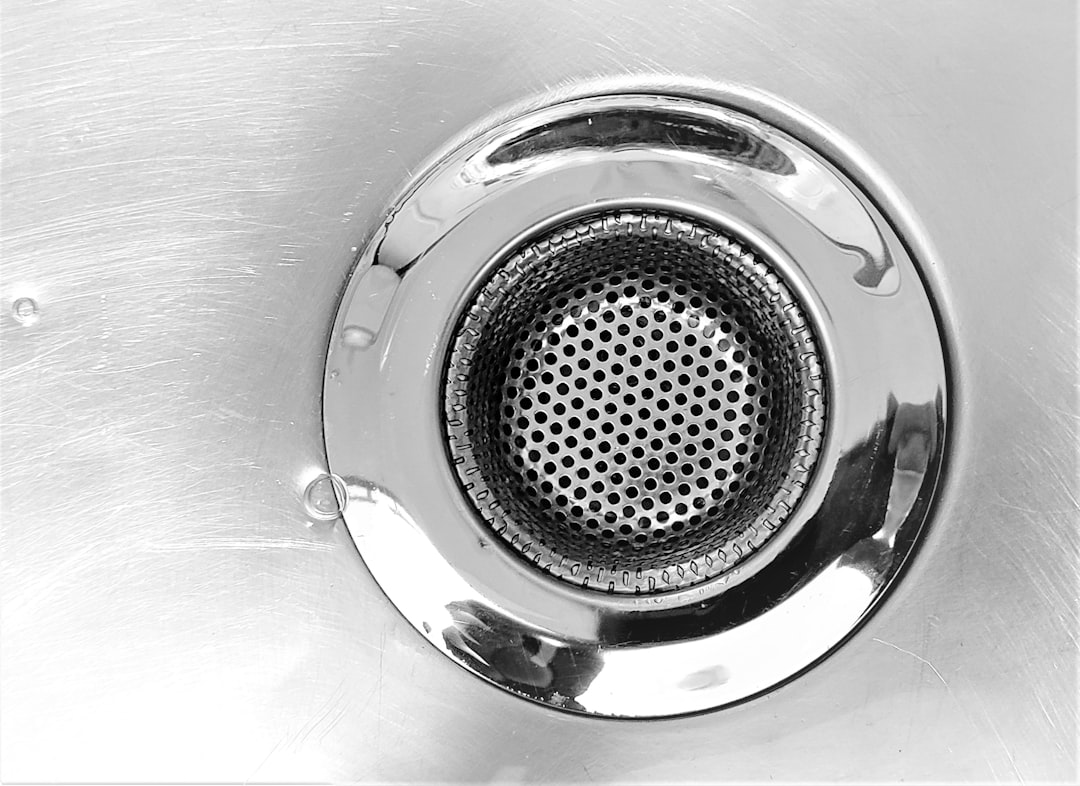
Clean plumbing pipes are the backbone of a healthy home. When drains run slowly, emit foul odors, or back up entirely, it's a clear sign that debris, grease, and organic matter have accumulated inside your pipes. Left unchecked, these buildups can lead to costly repairs, water damage, and unsanitary conditions throughout your Sacramento home.
Quick ways to clean plumbing pipes:
• Hot water flush – Pour boiling water down drains weekly to dissolve grease and soap buildup
• Baking soda and vinegar – Natural solution that breaks up minor clogs through a carbon dioxide reaction
• Plunger or drain snake – Manual tools effective for dislodging hair and debris
• Enzymatic cleaners – Safe for older pipes, using natural bacteria to digest organic waste
• Professional hydro-jetting – High-pressure water cleaning for stubborn main line clogs
If your drains are showing warning signs like gurgling sounds, slow drainage, or water backup in multiple fixtures, you may be dealing with a main sewer line issue rather than a simple clog. For comprehensive solutions and expert guidance, explore our plumbing services, or if you need immediate assistance, contact our Sacramento plumbing team available 24/7.
Regular pipe maintenance isn't just about preventing clogs—it extends the life of your plumbing system, reduces strain on fixtures, eliminates breeding grounds for bacteria, and saves you from emergency plumber calls. Clean pipes mean better water pressure, faster drainage, and a healthier home environment for your family.

Incorporating pipe cleaning into your regular home maintenance routine can go a long way in preventing major blockages. We know, it's not the most glamorous chore, but think of it as giving your home's circulatory system a much-needed spa day! By dedicating time to clean your plumbing pipes on a scheduled basis, you can ensure consistent water flow and minimize the risk of encountering significant plumbing issues.
So, how do you know when your pipes are crying out for attention? Your home often gives subtle (and not-so-subtle) hints:
• Slow Drains: If water takes its sweet time to disappear from your sinks, showers, or tubs, it's a classic sign of internal buildup. This is often the first indicator that things are starting to get gummed up.
• Gurgling Sounds: Strange gurgling noises coming from drains or toilets after flushing can indicate trapped air, often caused by partial blockages disrupting water flow. It's like your pipes are complaining!
• Water Backup: This is a more urgent sign. If water backs up into a fixture when another is used (e.g., toilet water rises when you flush a nearby sink), you've got a serious clog deeper in your system.
• Unpleasant Odors: Foul smells emanating from drains are usually a result of decomposing organic matter (food particles, hair, soap scum) stuck in the pipes. These odors can make your home feel less than fresh.
• Fruit Flies: Believe it or not, an unusual presence of fruit flies around your drains can signal a buildup of gunk. These tiny pests are attracted to the decaying organic matter that accumulates in slow-moving drains.
Addressing these signs promptly can prevent a minor inconvenience from escalating into a major plumbing emergency.
Before calling in the cavalry, there are several safe and effective DIY methods you can try to clean your plumbing pipes at home. These methods often use common household items and simple tools, empowering you to tackle minor clogs and maintain healthy drains. Always remember to wear appropriate safety gear, like gloves and eye protection, even when dealing with natural solutions.
For many common drain issues, you might not even need a trip to the store. Your pantry likely holds the secret weapons for a gentle, yet effective, pipe cleaning:
• Boiling Water Flush: This is one of the simplest and most overlooked methods. Regularly (perhaps once a week) pouring a pot of boiling water down your drains can help melt away fatty residues, oils, and soap scum before they accumulate into stubborn clogs. The boiling water (which reaches 100°C or 212°F) adds pressure, along with gravity, to help remove loosened debris. This works especially well for kitchen sinks.
• Baking Soda and Vinegar: This dynamic duo is a homeowner's favorite for a reason. The chemical reaction between baking soda (a base) and vinegar (an acid) produces carbon dioxide bubbles. These bubbles fizz through the clog, helping to break it up and loosen debris. To use this method:
1. Pour a pot of boiling water down the drain.
2. Follow with 1 cup of baking soda. Let it sit for 5-10 minutes.
3. Next, pour a mixture of 1 cup white vinegar and 1 cup hot water down the drain.
4. Cover the drain with a stopper or rag to trap the fizzing action.
5. Wait 10-15 minutes, then flush with another pot of boiling water.This method is great for smelly drains and minor clogs. As highlighted by The Clorox Company, while effective for some, very tough clogs might need more.
• Dish Soap Method: For simple clogs, especially those caused by grease, a few drops of dish soap followed by warm water can work wonders. The dish soap helps to cut through the grease, allowing the water to carry it away. This is particularly effective for kitchen sink drains.
When using natural methods, ensure you never mix them with commercial drain cleaners, as this can create dangerous chemical reactions. Patience is key; these methods often work best when given time to act.
Sometimes, a clog needs a little more persuasion than just natural solutions. That's when manual tools come in handy. These tools allow you to physically break up or retrieve blockages without resorting to harsh chemicals:
• Plunger Technique: A good old-fashioned plunger is your first line of defense against many clogs. Ensure you have a proper seal over the drain opening, then apply firm, rhythmic pushes and pulls. The suction and pressure can dislodge clogs caused by hair, soap scum, or minor obstructions. Add a small amount of water to the sink or toilet before plunging to create a better seal.
• Drain Snake/Plumbing Auger: For clogs that are deeper or more stubborn, a drain snake (also known as a plumbing auger) is an invaluable tool. It's a flexible metal cable that you feed into the drain to either break up the clog or pull it out.
— How to Use It: As explained in guides like How to Use a Drain Snake or Auger, you insert the snake into the drain until you meet resistance. Then, you rotate the handle (clockwise) to allow the auger head to grab onto or break through the blockage. Gently pull back to retrieve debris.
— Safety Gear: Always wear gloves and safety glasses when using a drain snake. The cable can get messy and, if snagged, can whip around, posing an injury risk.
— P-Trap Cleaning: Many clogs occur in the P-trap (the U-shaped pipe directly under your sink). You can often remove and clean this section manually. Place a bucket underneath to catch water, then carefully loosen the slip nuts to remove the trap. After cleaning, reassemble securely.
— When to Stop and Call a Pro: If you encounter significant resistance, feel like you're damaging the pipe, or the clog persists after several attempts, it's time to call a professional. For homeowners, a typical plumbing snake is about 50 feet long, but some clogs are simply beyond the reach or capability of DIY tools. Forcing it can lead to pipe damage, which is a much bigger headache.
When DIY methods fall short, some homeowners turn to commercial drain cleaners. These products promise quick fixes, but it's crucial to understand their mechanisms and, more importantly, their risks, especially for older pipes. The wrong choice can do more harm than good, leading to corrosion and costly damage.
Commercial chemical drain cleaners typically fall into three categories: caustic, acidic, and oxidizing. While effective, they carry significant risks, particularly for aging plumbing systems common in many Sacramento, Elk Grove, or Roseville homes. Studies show that chemical drain cleaners can corrode plumbing, especially in older systems. Harsh chemicals can also be harmful if inhaled and are not eco-friendly.
Cleaner TypeHow it WorksRisks for Older PipesBest Used ForCausticContains highly alkaline substances like sodium hydroxide (lye) or caustic agents. Generates heat to dissolve grease, hair, and soap scum.The heat generated by these cleaners can weaken metal pipes over time, causing corrosion in galvanized steel and cast iron. Repeated use can degrade PVC joints, leading to leaks.Slow drains caused by grease, hair, and soap scum.AcidicContains strong acids like sulfuric or hydrochloric acid. Aggressively breaks down organic materials, grease, and hair, often releasing hydrogen gas.Extremely corrosive; can rapidly eat through cast iron, galvanized steel, and clay pipes. Releases toxic fumes.Commercial/industrial systems with severe organic clogs (rarely for residential).OxidizingContains bleach, peroxides, or nitrates. Releases oxygen to break down clogs without as much heat as caustic cleaners.Can weaken metal pipes over time and cause fragile clay pipes to erode. Less aggressive but still carries risks.Mild to moderate clogs in PVC and modern metal pipes.
As you can see, the risks are substantial. Older homes, often found in areas like Citrus Heights, Folsom, or Carmichael, may have cast iron or galvanized steel pipes. These materials are particularly vulnerable to the corrosive effects and heat generated by chemical drain cleaners. Repeated exposure can lead to premature pipe failure, leaks, and much more expensive repairs than the initial clog. We strongly advise extreme caution and minimal use of these products in any home, but especially in those with older plumbing.
For homeowners concerned about the integrity of their pipes and the environment, enzymatic cleaners offer a gentler, long-term solution. These cleaners are a stark contrast to their chemical counterparts:
• How They Work: Unlike chemical drain cleaners that rely on harsh acids or caustic agents, enzymatic cleaners contain natural bacteria and enzymes. These biological agents "eat" away at organic matter such as grease, soap scum, and food particles, breaking them down into harmless substances like water and carbon dioxide. They don't dissolve clogs instantly but work over time.
• Benefits for Old Pipes: Enzymatic cleaners are non-corrosive, making them perfectly safe for all pipe materials, including fragile older pipes like cast iron, clay, and galvanized steel, as well as modern PVC. They don't generate heat or harsh chemical reactions that can damage pipe integrity or weaken joints.
• Septic System Safety: Because they are biological, enzymatic cleaners are also safe for homes with septic systems. In fact, they can help maintain a healthy balance of bacteria in your septic tank, aiding in its natural decomposition process.
• Best for Routine Maintenance: While not a quick fix for a severe, immediate clog, enzymatic cleaners are excellent for routine maintenance. Regular use (e.g., monthly) can prevent buildup, keep pipes clean, and eliminate odors before they become a problem. They work best on gradual clogs caused by organic materials.
If you have an older home in areas like Davis, Antelope, or Woodland, or simply prefer an eco-friendlier approach to keeping your plumbing pipes clean, enzymatic cleaners are an excellent choice for proactive pipe care.
While DIY methods are great for minor issues, there comes a time when it’s best to call in the professionals. Our team at Always Affordable Plumbing & HVAC is always ready to help our neighbors in Sacramento, Rocklin, and beyond. This is especially true for recurring clogs, multiple backed-up drains, or issues with your main sewer line, which often indicate problems beyond the scope of household tools.
Identifying a main line clog is crucial because it affects your entire plumbing system. If all fixtures in your home (toilets, sinks, showers) are backing up, or if you notice sewage odors outside, it's a strong indicator of a main line problem. As noted by Lowes.com, a clog in your plumbing often affects a single fixture, but if more than one is backed up, it's time to investigate the main drain line.
One of the most damaging and common causes of main line blockages in our service areas, from Rancho Cordova to Lincoln, is tree root intrusion. Tree roots are naturally drawn to the moisture and nutrients found in sewer lines. They can infiltrate through tiny cracks or loose joints, growing into dense masses that completely block the pipe. Standard hand-powered drain-clearing tools are simply not effective against clogs caused by tree roots entering underground pipes.
• Sewer Cleanout Access: To address a main line clog, professionals typically access the sewer line through a "cleanout." This is a capped pipe, usually located in your basement, crawl space, or outside near your foundation, that provides direct access to your main sewer line.
• Professional Root Removal: If tree roots are the culprit, mechanical removal using specialized auger heads designed to cut through roots, or hydro-jetting, is necessary. If the same clog happens over and over again, it could be a result of a sagging or broken drain pipe, possibly due to root damage, and a professional should be consulted.
When DIY methods fail or when dealing with suspected main line issues, professional plumbing services offer advanced solutions and expertise. If the clog is strong enough that it can't be dislodged with tools available to the DIYer, a professional should be called.
• Video Camera Inspection: This is a non-invasive and highly effective diagnostic tool. A small, waterproof camera is fed into your pipes, allowing our technicians to see the exact cause and location of the blockage. This helps identify tree roots, pipe damage, excessive grease buildup, or foreign objects without guesswork.
• Hydro-Jetting: This powerful cleaning method uses high-pressure water (up to 7,000 psi or more) to blast away even the most stubborn blockages, including grease, scale, and tree roots. It effectively scours the inside of your pipes, restoring them to near-original condition. Hydro-jetting is particularly effective for cleaning commercial pipes, especially in restaurants in areas like Folsom or Elk Grove, to remove built-up food and grease.
• Snaking Services: While you might try a drain snake at home, our professional-grade augers are much more powerful, longer, and equipped with various cutting heads designed to tackle severe clogs that homeowner tools can't touch.
• Annual Professional Maintenance: Proactive professional drain maintenance can extend the life of older plumbing systems and prevent costly emergencies. Scheduling regular inspections and cleanings, perhaps annually or every two years, helps catch problems early and keeps your plumbing pipes flowing freely, saving you stress and money in the long run.
We hear a lot of questions from our customers in Sacramento, Roseville, and surrounding areas about keeping their plumbing pipes clean. Here are some of the most common ones:
The frequency of pipe cleaning depends on several factors, including household size, habits, and the age and type of your plumbing system.
• Routine Maintenance (DIY): For most homes, a weekly hot water flush and a monthly baking soda and vinegar treatment for high-use drains (kitchen, main bathroom) can go a long way in preventing buildup.
• Professional Inspection Frequency: We generally recommend a professional inspection and cleaning every 1-2 years. This allows us to identify and address any hidden issues, like minor tree root intrusion or significant scale buildup, before they escalate into major problems. This routine maintenance, as part of your overall home maintenance, helps ensure consistent water flow and minimizes risk.
• Factors to Consider:
— Household Size: Larger households often put more strain on plumbing, requiring more frequent attention.
— Pipe Age: Older pipes (cast iron, galvanized steel) are more prone to corrosion and buildup, benefiting from more regular professional checks.
— Usage Habits: If you frequently wash greasy dishes or have long-haired individuals, more preventative measures may be needed.
What goes down your drain has a direct impact on the health of your plumbing pipes. To prevent clogs and maintain clear drains, be mindful of what you dispose of. Here's a list of major culprits to avoid:
• Avoid FOG (Fats, Oils, Grease): This is the number one enemy of your drains! When hot, FOG is liquid, but as it cools in your pipes, it solidifies, sticking to pipe walls and forming stubborn blockages. Studies show that grease accounts for 47% of sewer blockages in residential plumbing. Always pour FOG into a disposable container and throw it in the trash.
• Coffee Grounds: They don't dissolve in water and can accumulate into sludgy clogs.
• Eggshells: While seemingly small, their sharp edges can stick to grease and other debris, creating blockages.
• Fibrous Foods: Items like celery, potato peels, and fruit rinds, especially when put down a garbage disposal, can create a stringy, clumpy mess that easily clogs pipes.
• Non-Biodegradable Items: This includes "flushable" wipes (they aren't truly flushable), paper towels, cotton balls, feminine hygiene products, dental floss, and anything plastic. These items do not break down in water and will inevitably cause clogs.
• Hair: A major culprit in bathroom drains. Use drain screens to catch hair before it goes down.
• Harsh Chemicals/Paint: These can damage pipes (especially older ones) and harm the environment.
No, chemical drain cleaners are not safe for all types of pipes, and their use should be approached with extreme caution, if at all.
• Pipe Materials: The safety of a chemical drain cleaner heavily depends on the material of your pipes.
— PVC Pipes: While generally more resistant, the heat generated by caustic cleaners can degrade PVC joints over time. Acidic cleaners can also cause issues.
— Metal Pipes (Galvanized Steel, Cast Iron): These older pipe materials are highly susceptible to damage. Caustic cleaners' heat can accelerate corrosion, while acidic cleaners are extremely corrosive and can rapidly eat through them. Oxidizing cleaners can also weaken them over time.
• Older Plumbing Systems: If your home in areas like Newcastle, Loomis, or Wilton has older plumbing, chemical drain cleaners pose a significant risk of corrosion, weakened joints, and accelerated pipe deterioration, leading to leaks and costly repairs.
• Corrosion Risk: The harsh chemicals can literally eat away at your pipes, especially if they are already weakened by age or prior corrosion.
• Enzymatic Cleaners as a Safe Alternative: As discussed, enzymatic cleaners are a much safer alternative, as they use natural biological processes to break down organic matter without posing a threat to any pipe material.
We always recommend opting for manual methods or enzymatic cleaners first. If a chemical cleaner seems like the only option, consult a professional plumber to avoid potentially disastrous damage to your plumbing pipes.
Keeping your plumbing pipes clean is more than just a chore; it's an investment in the longevity and health of your home. We've explored various methods, from simple boiling water flushes and the ever-popular baking soda and vinegar solution to manual tools like plungers and drain snakes. We've also dug into the risks of chemical drain cleaners and highlighted the safer, more eco-friendly alternative of enzymatic cleaners.
The key takeaway is prevention. By being mindful of what goes down your drains, using drain screens, and performing regular hot water flushes, you can significantly reduce the likelihood of clogs. However, when those stubborn blockages arise, or if you suspect a more serious issue like a main line clog or tree root intrusion, don't hesitate to call the experts.
At Always Affordable Plumbing & HVAC, we're dedicated to providing quality, transparent, and affordable solutions for all your plumbing needs in Sacramento, Elk Grove, Roseville, and beyond. For persistent issues or professional maintenance, schedule an expert drain cleaning service with our team. We're here to ensure your pipes keep flowing smoothly, keeping your home comfortable and worry-free.
See what our satisfied customers have to say about their experience with Always Affordable
Plumbing & HVAC.

"Chappy was very skilled in his knowledge of my HVAC unit. I greatly appreciate the quick response and experienced tech. The whole endeavor was made less stressful by his humor and honest conversation. I find comfort in knowing I now have a shop i trust for the next time."
"Tony, James, Ronnie did an amazing job setting up our new AC! They were quick, efficient, considerate, and polite! We appreciate them scheduling us in on such short notice. Definitely recommend this company!"
"Prompt, professional service with kindness and care. They came out to address both plumbing and AC issues. I received a courtesy call before they arrived. All issues were resolved the same day with integrity and respect. Thankful for businesses like this. Absolutely recommend to those that I love."
"Excellent service! Jason came out promptly and in addition to doing my outside faucet he also put in new irrigation equipment! All done perfectly! Jason was lovely"
"Honest with the assessment; friendly and good manners. No high pressure sales. Just good to honest "tell it like you see it" Thought my kitchen disposer needed an overhaul. But Jason, there Plumber gave me an honest lesson on what was really happening. Saved me hundreds, if I went the route of replacing. Thank you!"
"Absolutely 5 stars. If you are looking for affordable ,professional and kind. Chappy was excellent and very knowledgeable . I called in the morning because my air conditioner stopped working he was here within hours and fixed my air with a smile. I highly recommend Chappy and Always Affordable plumbing and Hvac."
"Scott and James were great. They got there quickly and diagnosed the problem with my A/C.They did a very thorough job testing everything. Sent me pictures and called to keep me informed. Got it done the next day and everything is working fine. Be glad when I get home so I can enjoy my new system. Thanks guys for a great job."
"Chappy was very helpful. He knew our issue right away, cleaned our coils. He also came on the same day we called and got our AC blowing cold air again."
"After some timing ’curfuffles’ the Tech Jason arrived and not only completed a speedy install on my toilet, he was personable & professional. Because of the timing issues Jason was attentive and showed up with everything needed! No extra store runs 😊 I was very comfortable with having this Tech in my Daughter’s home. We will definitely use this Service again."