Seasonal Home Maintenance Checklist: Preventing HVAC and Plumbing Emergencies
Prevent HVAC emergencies with a seasonal home maintenance checklist. Why proactive scheduling beats waiting for sudden failures. See what needs attention now.



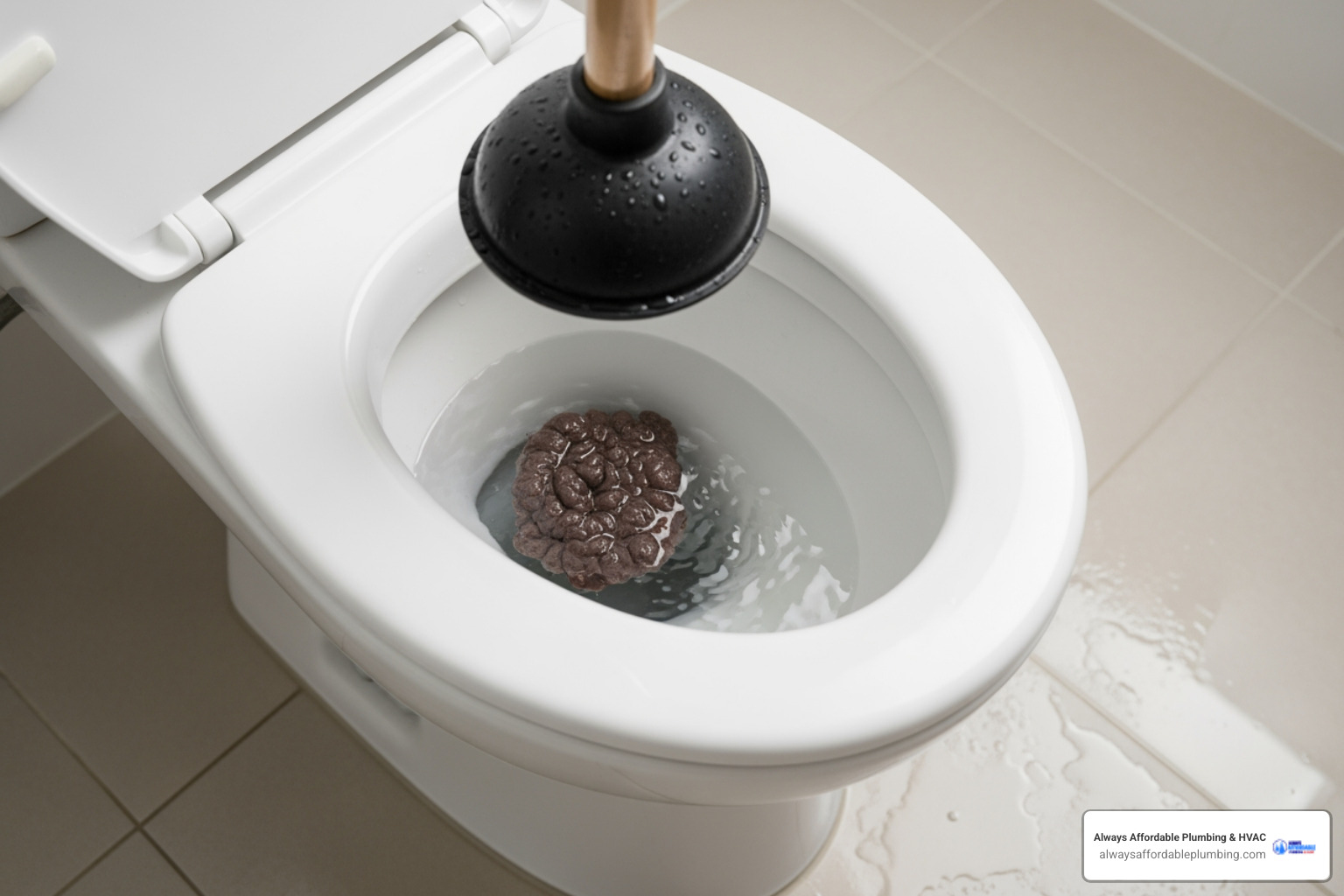
How to unclog a toilet after a big poop starts with staying calm and avoiding that second flush. Here's your quick action plan:
1. Stop the water - Lift the tank lid and push down the flapper, or turn off the water valve behind the toilet
2. Grab a plunger - Use a flange-style plunger with firm, steady strokes for 20-30 seconds
3. Try hot water and dish soap - If no plunger is available, pour dish soap and hot (not boiling) water into the bowl, wait 20-30 minutes
4. Use baking soda and vinegar - Pour 1 cup baking soda followed by 2 cups vinegar, let sit 30 minutes
5. Consider a toilet auger - For stubborn clogs, a toilet snake can break up the obstruction
6. Call a professional - If DIY methods fail or clogs keep returning
We've all been there. You flush, and instead of everything disappearing as it should, the water starts rising. It's one of those moments that can turn a normal day into a stressful situation, especially if you're at someone else's home or have guests coming over. The good news is that most toilet clogs caused by excessive waste can be cleared without calling a plumber right away, as long as you know the right techniques and have a few basic tools or household items on hand.
For comprehensive help with your Sacramento plumbing needs, check out our drain cleaning services or contact us for emergency plumbing assistance.
The key to successfully clearing a stubborn toilet clog is understanding what works and what doesn't. While the internet is full of advice, not all methods are equally effective, and some can actually make the problem worse or damage your plumbing. This guide walks you through proven DIY methods step by step, from the simplest solutions using items you already have at home to more advanced techniques using specialized tools. We'll also help you recognize when a clog is actually a sign of a bigger plumbing issue that needs professional attention.
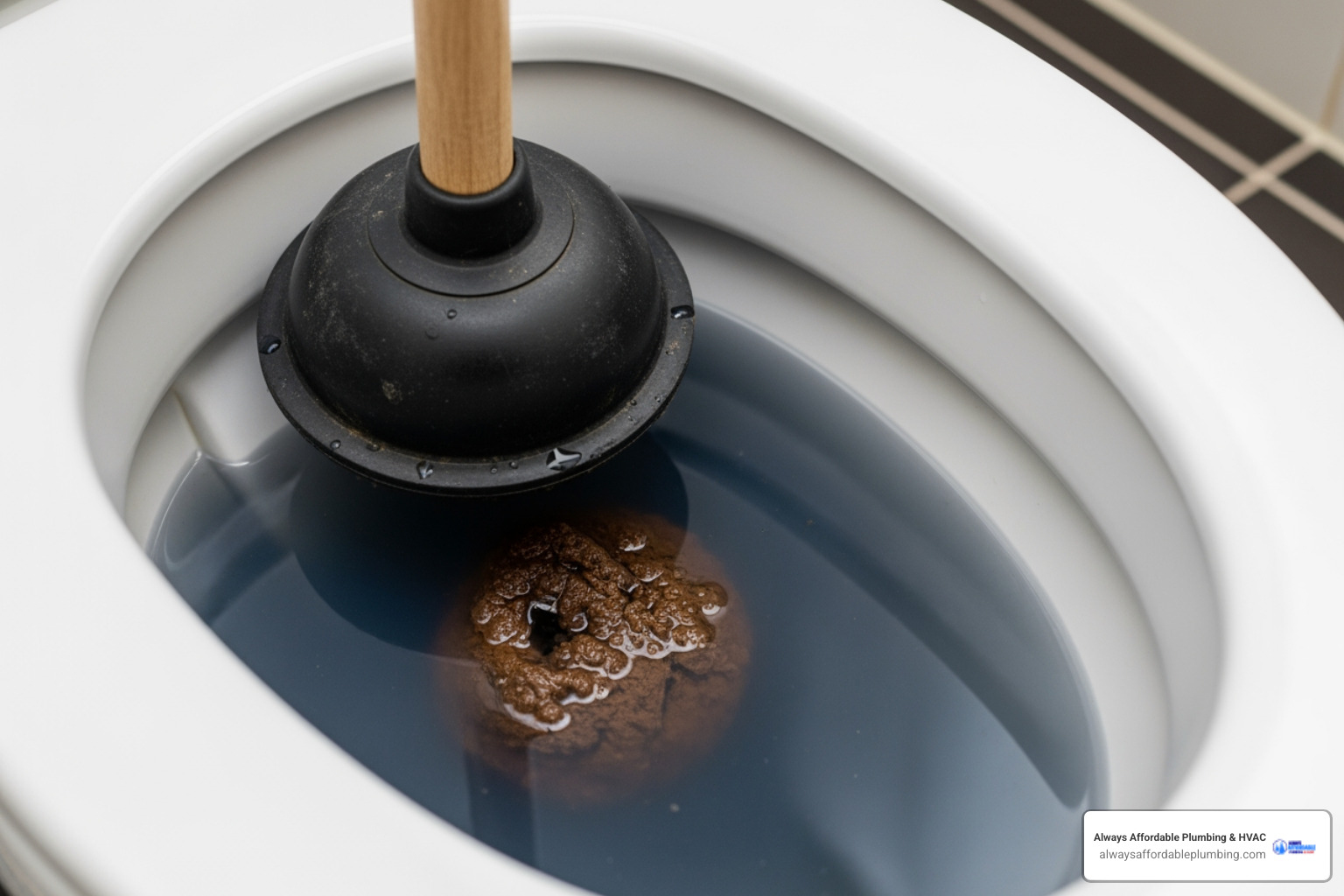
When you're faced with a toilet bowl that's filling up instead of draining, the immediate panic is understandable. But before you reach for the flush handle again (don't do it!), take a deep breath. The first few steps are crucial to prevent an overflow and minimize any potential mess.
The very first thing you need to do is stop the water from continuing to fill the bowl. This is easier than you might think and can prevent a costly and messy overflow.
1. Lift the Tank Lid: Quickly remove the lid from the toilet tank (the back part of the toilet).
2. Close the Flapper: Inside the tank, you'll see a rubber or plastic flap at the bottom, usually connected to a chain. This is the flapper. Push it down to cover the drain hole at the bottom of the tank. This will stop water from entering the bowl.
3. Turn Off the Water Supply Valve: If the flapper doesn't immediately stop the water, or if you want an extra layer of security, locate the small shut-off valve on the wall behind the toilet, usually near the floor. Turn it clockwise until the water flow stops completely.
Once the water flow is under control, it's time to prepare your workspace. Lay down old towels or newspapers around the base of the toilet to protect your floor from any splashes or spills. It's also a good idea to put on a pair of rubber gloves. While we're dealing with a natural bodily function, hygiene is still important!
For most clogs, especially those caused by a particularly large bowel movement, a good old-fashioned plunger is your best friend. But not all plungers are created equal, and using the correct technique can make all the difference.
When it comes to toilets, we recommend using a flange plunger. Unlike the standard cup-shaped plunger you might use for a sink, a flange plunger has an extended rubber lip that fits snugly into the toilet's drain opening. This creates a much better seal, allowing you to generate the necessary suction and pressure to dislodge the clog. If you don't have one, it's a worthwhile investment for any homeowner in Sacramento, Elk Grove, or Rancho Cordova.
Before you start plunging, check the water level in the toilet bowl. There should be enough water to cover the rubber cup of the plunger completely. If the water level is too high, you might need to remove some water using a small container to avoid splashing. If it's too low, add a bit more water. The water helps create the seal and transfer the force effectively to the clog.
Using a plunger effectively is more than just pushing it up and down. Here's how to do it right:
1. Ensure a Tight Seal: Place the plunger over the drain hole in the toilet bowl, making sure the flange creates a complete, airtight seal. This is critical for building pressure.
2. Gentle First Plunge: Start with a gentle push downwards. This expels any trapped air without causing water to splash out.
3. Forceful Push-and-Pull Motion: Once you have a good seal, begin plunging with firm, steady push-and-pull motions. The upward pull is just as important as the downward push, as it creates suction that helps dislodge the clog. Perform about 15-20 vigorous plunges without breaking the seal.
4. Listen for Draining Water: After several plunges, quickly pull the plunger up and away from the drain. Listen for the sound of water draining. If the water level drops, you're making progress! You might need to repeat the process a few times until the clog is fully cleared and the toilet flushes normally.
For more detailed tips on mastering this essential plumbing skill, refer to our guide on How To Plunge a Toilet. Patience and persistence are key here.
What if you're facing a stubborn clog, and a plunger is nowhere in sight? Perhaps you're at a friend's house, or your trusty plunger is in another bathroom. Don't worry, we have a few DIY tricks up our sleeves using common household items. Always prioritize safety, especially when dealing with hot water or mixtures.
This method works by helping to lubricate the pipes and break down organic matter, making it easier for the clog to pass through.
1. Dish Soap as Lubricant: Squirt a generous amount of liquid dish soap (about 1/4 to 1/2 cup) directly into the toilet bowl. The soap helps to lubricate the blockage and the inner walls of the drain.
2. Hot Water (Not Boiling!): After adding the soap, slowly pour a gallon of hot (but not boiling) water into the toilet bowl from waist height. Why not boiling? Extremely hot water can crack the porcelain of your toilet bowl, which would turn a clog into a much bigger, more expensive problem. Hot tap water is usually sufficient.
3. Pouring Technique: Pour the water slowly to avoid overflowing the bowl. The idea is to let the hot water and soap work their way down to the clog.
4. Wait 20-30 Minutes: This is the hardest part – patience! Allow the mixture to sit for at least 20 to 30 minutes, or even longer if you have time. The hot water helps soften the waste, and the soap lubricates it. After waiting, try flushing the toilet. If the water drains, you've succeeded! You can find more details on this popular method in this soap and hot water method guide.
This classic household remedy creates a fizzing chemical reaction that can help break down and dislodge clogs.
1. Baking Soda First: Pour one cup of baking soda directly into the toilet bowl.
2. Add Vinegar Slowly: Follow the baking soda with two cups of distilled white vinegar. Pour it slowly, as the mixture will start to fizz and bubble (like a science fair volcano!).
3. Fizzing Reaction: This reaction is what helps to break down the clog. It's a natural, eco-friendly drain cleaner.
4. Let Sit for 30 Minutes: Allow the mixture to work its magic for at least 30 minutes. For stubborn clogs, you can even let it sit overnight. After the waiting period, try flushing the toilet. If the water drains, you've successfully cleared the clog! Learn more about this technique in this baking soda and vinegar article.
When a plunger isn't enough, or if you suspect the clog is further down the drainpipe, a toilet auger (also known as a closet auger or plumbing snake) is your next best tool. This specialized tool is designed to reach deeper into the trap and drainpipe to break up or retrieve obstructions.
A key distinction is that a toilet auger is specifically designed for toilets. It has a protective rubber or plastic sleeve over the end of the cable to prevent scratching the delicate porcelain of your toilet bowl. This is different from a standard drain snake, which might be too harsh for toilet use. For persistent clogs in areas like Sacramento, Folsom, or Citrus Heights, a good toilet auger can be an invaluable addition to your home toolkit.
Using a toilet auger requires a bit more care than a plunger, but it's still a manageable DIY task:
1. Insert Carefully: Gently feed the rubber-coated end of the auger into the toilet's drain opening. Make sure the protective sleeve is pressed firmly against the opening to prevent any direct contact between the metal cable and the porcelain.
2. Turn Handle Clockwise: Once the auger cable is in the drain, begin turning the handle clockwise. This extends the cable further into the pipe. Continue turning and pushing until you feel resistance, which indicates you've reached the clog.
3. Feel for Resistance: When you hit the obstruction, continue to turn the handle while gently pushing and pulling. The goal is to either break up the clog into smaller pieces or to hook onto it so you can pull it out.
4. Retract and Repeat: Once you feel the clog breaking apart or if you've hooked onto something, carefully retract the auger by turning the handle counter-clockwise. You may pull out some of the clog material, which you should dispose of properly. Repeat the process if necessary until the water drains freely.
For a visual guide and more detailed instructions, check out How to Snake a Toilet. If you find yourself frequently needing to snake your drains in places like Roseville, Elk Grove, or Granite Bay, it might be time to investigate deeper issues. Our team offers expert drain snaking services.
While DIY methods are often effective for a single toilet clog, it's equally important to know what to avoid and when to recognize that the problem might be beyond your capabilities.
We strongly advise against using harsh chemical drain cleaners in your toilet. While they might seem like a quick fix, they come with significant downsides:
• Pipe Damage: Many chemical cleaners contain corrosive ingredients that can eat away at your pipes over time, especially older PVC or metal pipes, leading to leaks or bursts.
• Harmful Fumes: The chemicals release toxic fumes that are dangerous to inhale and can cause respiratory issues or skin irritation.
• Ineffective on Solid Clogs: For a large, solid clog, these chemicals often don't work. They can sit stagnant in the toilet bowl, creating a hazardous mixture that makes it dangerous for anyone to attempt manual unclogging afterward.
• Safety Risks: If the chemicals fail to clear the clog, they can remain in the toilet bowl, creating a pool of caustic water. This poses a significant safety hazard for anyone who subsequently tries to clear the clog manually, including a professional plumber.
Sometimes, a toilet clog, even one caused by a "big poop," isn't an isolated incident. It can be a warning sign of a larger issue within your home's plumbing system. Look out for these red flags:
• Multiple Slow Drains: If not just your toilet, but also your sinks and showers in Sacramento, Davis, or Folsom are draining slowly, it indicates a blockage further down the main drain line.
• Gurgling Noises: Gurgling sounds coming from other drains (like a shower or sink) when you flush the toilet can mean air is trapped in the drain system due to a blockage.
• Water Backing Up in Showers: If flushing the toilet causes water to back up into your shower or bathtub, it's a strong indicator of a main sewer line blockage.
• Foul Odors: Persistent foul odors emanating from drains can signal a buildup of waste or a compromised sewer line.
If you notice any of these signs, it's time to call a professional. These issues often require specialized equipment like hydro-jetting or sewer camera inspections, which our team at Always Affordable Plumbing & HVAC provides. Learn more about potential issues with your sewer line repair services.
There's a point where DIY efforts become counterproductive. Knowing when to wave the white flag and call in the pros can save you time, frustration, and potentially more extensive damage.
• DIY Methods Fail: If you've tried plunging, the hot water and soap method, the baking soda and vinegar trick, and even a toilet auger, and the clog persists, it's time to stop. Further attempts could push the clog deeper or damage your pipes.
• Clog Returns Quickly: If you manage to clear a clog, but it returns within a day or two, it's likely that the underlying issue hasn't been resolved. This often points to a partial blockage or a recurring problem further down the line.
• Suspected Main Line Blockage: As mentioned above, if other drains in your home are affected, or you hear gurgling from other fixtures, the problem is likely in your main sewer line. This is a job for professionals with the right tools and expertise.
For persistent clogs or suspected main line issues in areas like Roseville, Rancho Cordova, or Elk Grove, don't hesitate to contact us for emergency drain cleaning. We have the specialized equipment to diagnose and resolve even the toughest clogs.
An ounce of prevention is worth a pound of cure, especially when it comes to plumbing. By adopting a few simple habits, you can significantly reduce the chances of experiencing another toilet clog, even after a "big poop." After all, the average male produces almost 25,000 pounds of poop throughout his lifetime, so prevention is key!
• Moderate Toilet Paper Use: This is perhaps the most common cause of clogs. Use only as much toilet paper as necessary. If you tend to use a lot, consider flushing in stages – a "courtesy flush" midway through can help prevent buildup.
• The "Courtesy Flush": For larger bowel movements, a flush before wiping can help move waste through the trap and prevent a massive buildup of toilet paper and waste all at once.
• Avoid Flushing Wipes (Even "Flushable" Ones): Despite what the packaging says, most "flushable" wipes do not break down in water like toilet paper. They are a major culprit for clogs and can accumulate in your pipes, leading to serious blockages. The same goes for feminine hygiene products, cotton balls, dental floss, and paper towels. Only human waste and toilet paper should go down the toilet.
• Keep the Lid Closed: This simple habit can prevent accidental clogs caused by children's toys, small objects falling in, or even excessive toilet paper from pets playing in the bathroom.
• Low-Flow Toilet Tips: If you have an older low-flow toilet, it might not have enough water pressure to clear the bowl effectively, especially with larger loads. Consider upgrading to a more efficient model, or ensure you're practicing good flushing habits.
Understanding and addressing common drain issues is key to maintaining a healthy plumbing system throughout your home.
Dealing with how to unclog a toilet after a big poop can be an unpleasant experience, but as we've seen, many clogs can be resolved with a few simple DIY methods and the right tools. From the trusty flange plunger to household remedies like dish soap and baking soda, you now have a comprehensive toolkit to tackle most common toilet blockages.
However, it's equally important to know your limits. If DIY efforts fail, if clogs become a recurring issue, or if you suspect a larger problem like a main sewer line blockage, it's time to call in the professionals. Our team at Always Affordable Plumbing & HVAC serves Sacramento, Elk Grove, Roseville, and many other surrounding communities in California, offering expert drain cleaning, sewer line repair, and emergency plumbing services. We have the advanced tools and experience to diagnose and fix plumbing problems efficiently and effectively, ensuring your home's plumbing system flows smoothly.
Don't let a stubborn clog disrupt your day. For reliable and affordable plumbing solutions, please Contact us for expert plumbing services today!
See what our satisfied customers have to say about their experience with Always Affordable
Plumbing & HVAC.

"Chappy was very skilled in his knowledge of my HVAC unit. I greatly appreciate the quick response and experienced tech. The whole endeavor was made less stressful by his humor and honest conversation. I find comfort in knowing I now have a shop i trust for the next time."
"Tony, James, Ronnie did an amazing job setting up our new AC! They were quick, efficient, considerate, and polite! We appreciate them scheduling us in on such short notice. Definitely recommend this company!"
"Prompt, professional service with kindness and care. They came out to address both plumbing and AC issues. I received a courtesy call before they arrived. All issues were resolved the same day with integrity and respect. Thankful for businesses like this. Absolutely recommend to those that I love."
"Excellent service! Jason came out promptly and in addition to doing my outside faucet he also put in new irrigation equipment! All done perfectly! Jason was lovely"
"Honest with the assessment; friendly and good manners. No high pressure sales. Just good to honest "tell it like you see it" Thought my kitchen disposer needed an overhaul. But Jason, there Plumber gave me an honest lesson on what was really happening. Saved me hundreds, if I went the route of replacing. Thank you!"
"Absolutely 5 stars. If you are looking for affordable ,professional and kind. Chappy was excellent and very knowledgeable . I called in the morning because my air conditioner stopped working he was here within hours and fixed my air with a smile. I highly recommend Chappy and Always Affordable plumbing and Hvac."
"Scott and James were great. They got there quickly and diagnosed the problem with my A/C.They did a very thorough job testing everything. Sent me pictures and called to keep me informed. Got it done the next day and everything is working fine. Be glad when I get home so I can enjoy my new system. Thanks guys for a great job."
"Chappy was very helpful. He knew our issue right away, cleaned our coils. He also came on the same day we called and got our AC blowing cold air again."
"After some timing ’curfuffles’ the Tech Jason arrived and not only completed a speedy install on my toilet, he was personable & professional. Because of the timing issues Jason was attentive and showed up with everything needed! No extra store runs 😊 I was very comfortable with having this Tech in my Daughter’s home. We will definitely use this Service again."