Seasonal Home Maintenance Checklist: Preventing HVAC and Plumbing Emergencies
Prevent HVAC emergencies with a seasonal home maintenance checklist. Why proactive scheduling beats waiting for sudden failures. See what needs attention now.



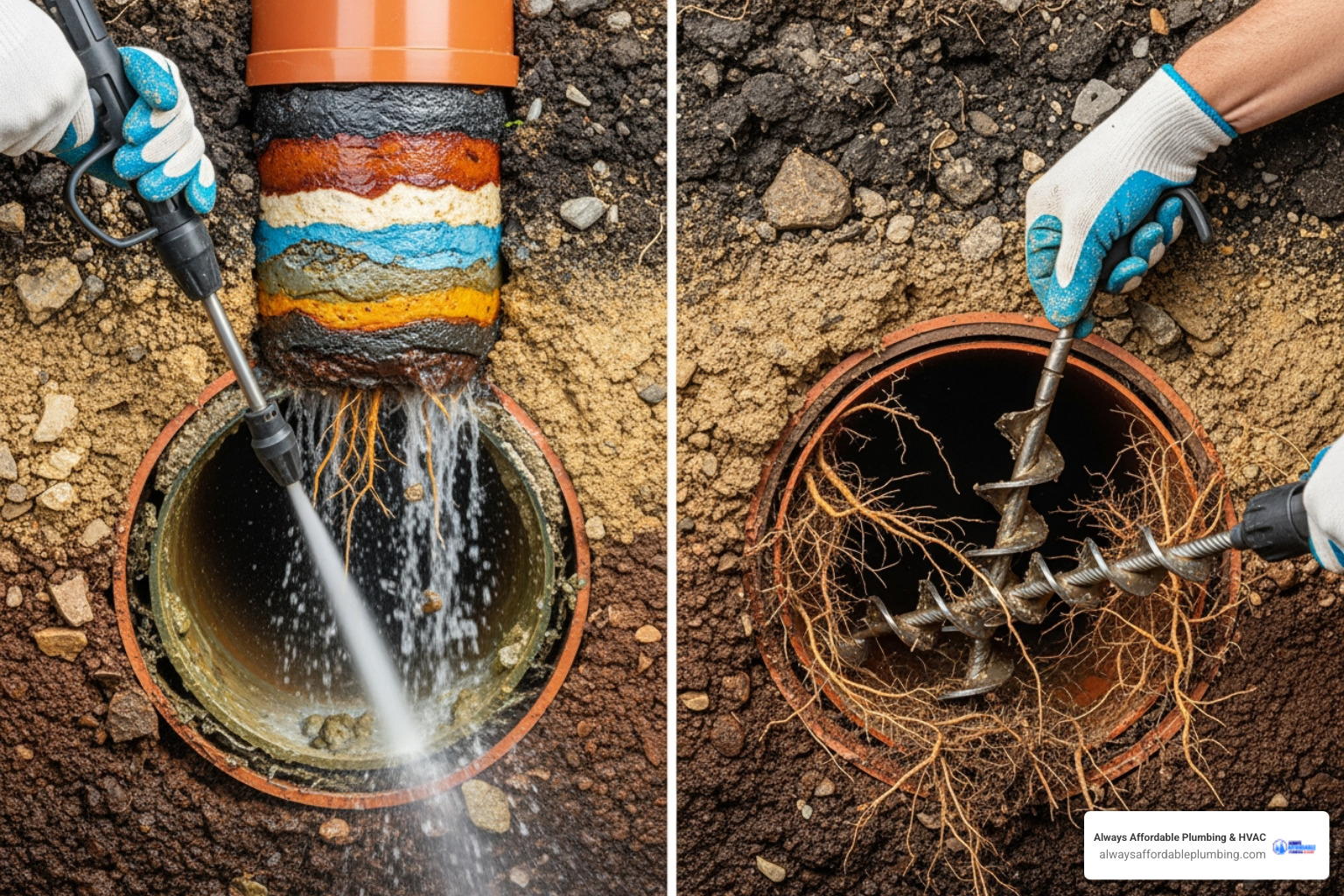
Cleaning out clogged underground drain pipes is a task many Sacramento homeowners face when water pools in their yard, gutters overflow during rain, or multiple drains start backing up at once. These buried pipes carry wastewater and stormwater away from your home, but when they clog, the results can range from soggy lawns to serious foundation damage. Understanding the warning signs, knowing which tools work best, and recognizing when to call for professional help can save you time, money, and frustration.
Quick Answer: Top Methods for Cleaning Underground Drain Pipes
1. Cable Rodding (Snaking) - Feed a metal cable through the pipe to break up blockages
2. Hydro Jetting - Use high-pressure water (up to 4,000 PSI) to scour pipes clean
3. Blow Bag - Attach to a garden hose to blast clogs with water pressure
4. Professional Augers - Heavy-duty machines with specialized cutting heads for roots and debris
When to Call a Pro: If multiple drains back up, water returns through fixtures, or DIY attempts fail after 30 minutes.
Whether you're dealing with tree roots invading your sewer line or years of sediment buildup in your gutter drains, we'll walk you through the practical solutions that work. For comprehensive guidance on maintaining your home's drainage system, check out our main drain maintenance guide. If you need immediate assistance with a stubborn clog, our drain cleaning experts in Sacramento are ready to help.
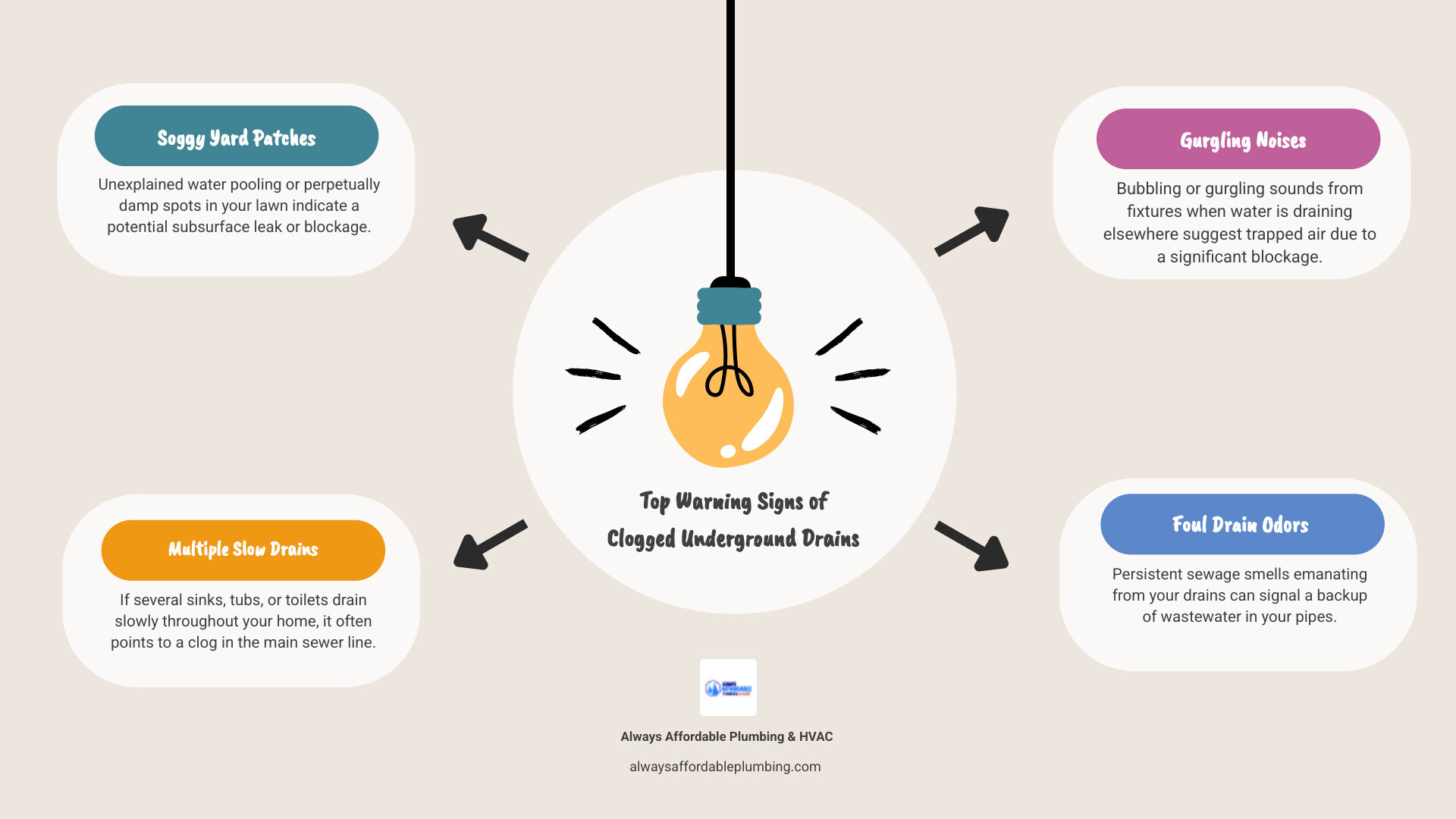
Underground drains channel water away from your foundation, but when they get clogged, it's crucial to recognize the early warning signs to prevent a small nuisance from becoming a major disaster.
Imagine your home's pipes as a network of veins, silently doing their job. When one of these underground veins gets clogged, your home often sends out distress signals. Here’s what to look for:
• Multiple Slow Drains: If multiple fixtures (like a toilet, sink, or shower) drain slowly, the clog is likely in your main drain line, not a single fixture's trap. This is a common first sign.
• Gurgling Noises from Toilets and Sinks: Strange gurgling from a toilet or sink often means trapped air is escaping around a blockage. It's the sound of your plumbing struggling.
• Foul Odors from Drains: A foul, sulfuric smell from your drains indicates trapped wastewater. Decomposing organic matter in a blockage releases these gases, signaling a problem that needs attention.
• Water Backing Up in Low-Level Fixtures: If running an appliance like a washing machine causes water to back up in a low-level fixture (e.g., a basement shower), you likely have a main sewer line clog. The water is forced back up the path of least resistance.
• Soggy Patches in the Yard: Unexplained wet or soggy areas in your lawn, especially near where your sewer line is buried, can indicate a leak or a severe clog causing water to escape the pipe.
• Foundation Water Issues: Over time, a clogged underground drain can lead to water pooling around your home's foundation. This can cause dampness in basements, mold growth, or even structural damage to your foundation.
• Overflowing Gutters: If your gutters are clear but still overflow, the clog may be in the connected underground downspout drain. Accumulated leaves or sediment can block this pipe, preventing water from draining away from your home.
For more insights into identifying and addressing major clogs, you might find our article on main drain clogs particularly helpful.
Understanding the root cause of your underground drain issues is key to preventing future problems. Here are the common culprits we encounter in Sacramento homes:
• Tree Root Intrusion: Tree roots are a notorious cause of blockages. Naturally drawn to water, roots can infiltrate pipes through the smallest cracks. Once inside, they grow into a dense web that traps debris, eventually blocking the pipe. If left untreated, severe root intrusion can lead to pipe collapse.
• Grease and Fat Buildup: While you might think of this as a kitchen sink problem, grease poured down drains can travel far, solidifying in cooler underground pipes. Over time, this sticky residue collects other debris, forming a stubborn, difficult-to-clear blockage.
• Leaves and Sediment: Especially common in underground gutter drains, leaves, twigs, dirt, and other outdoor debris can wash in from downspouts. This organic matter can accumulate, particularly at bends and elbows in the pipe, creating significant clogs.
• Foreign Objects: From children's toys to sanitary products, anything non-flushable that accidentally or intentionally enters your drainage system can cause a blockage.
• "Flushable" Wipes: Despite their misleading name, most "flushable" wipes do not break down in water like toilet paper and are a major contributor to clogs in main sewer lines.
• Pipe Damage: Over time, pipes can corrode, crack, or even collapse due to ground shifting, age, or external pressure. These damaged sections create catch points for debris and restrict water flow, leading to frequent clogs.
• Collapsed Pipes: Severe ground shifting, heavy loads above the pipe, or advanced corrosion can cause a section of the pipe to collapse, creating an immediate and complete blockage.
We dig deeper into the various blockages that can plague your plumbing in our guide, What's Clogging Your Drain.
Tackling a clogged underground drain pipe can feel daunting, but with the right tools and knowledge, homeowners can often resolve minor clogs themselves.
Before starting, gather the right equipment. Common tools for cleaning out clogged underground drain pipes include:
• Plumbing Auger (Drain Snake): This cable-like tool is designed to break through or retrieve blockages. For underground main lines, you'll need a robust model, often 50 to 100 feet long.
• Sewer Rod: Similar to an auger but typically stiffer, a sewer rod can be pushed through the pipe to dislodge blockages.
• Drain Bladder (Blow Bag): This rubber device attaches to a garden hose and inflates inside the pipe, using water pressure to blast debris through the blockage. Use with caution, especially on older pipes, to avoid damage.
• Protective Gear: Safety first!
— Gloves: Heavy-duty work gloves are essential to protect your hands from grime and potential hazards.
— Eye Protection: Safety glasses or goggles will shield your eyes from splashing water or dislodged debris.
• Pipe Wrench: Useful for removing and re-securing cleanout caps.
• Bucket/Plastic Sheeting: To catch any wastewater or debris that may come out when you open the cleanout.
• Flashlight: To help locate cleanouts and inspect the area.
Having these tools on hand can make all the difference. For more insights on equipping your plumbing toolkit, check out our recommendations for the best home plumbing tools.
Using a plumbing auger can be an effective way to clear many underground clogs. Here's how we recommend you approach it:
1. Locate the Sewer Cleanout: First, find the access point to your main sewer line. This is a capped pipe usually located outside your home, in the basement, or a crawl space, sometimes near the street. If you can't find it, check your home's inspection report or call a professional.
2. Take Safety Precautions: Wear heavy-duty gloves, protective eyewear, and rubber boots. Place a tarp around the cleanout to manage mess. For significant backups, shut off your main water supply to prevent more water from entering the system.
3. Open the Cleanout Carefully: Place a bucket under the cleanout cap. Use a pipe wrench to slowly loosen the cap (turn counter-clockwise). Stand aside as you open it to avoid any sudden release of wastewater.
4. Inserting the Auger Cable: Slowly feed the auger cable into the cleanout opening. Push it gently until you feel resistance. This is likely the clog.
5. Engage the Auger: At the clog, lock the cable and rotate the handle clockwise (for manual augers). With a powered auger, turn on the motor and feed the cable slowly. The rotating head will break up or hook onto the clog.
6. Work Through the Clog: Push, pull, and rotate the auger back and forth through the obstruction to break it apart or hook it for retrieval. If the cable binds, pull back slightly before trying again.
7. Retrieve the Auger: When the clog feels clear (water may start draining), slowly retract the cable, cleaning it with a rag as you go to remove any attached debris.
8. Flush the Line: After retrieving the auger, replace the cleanout cap. Flush the line by running a garden hose into the cleanout, then test indoor fixtures to ensure the drain is clear.
For more detailed information on this process, our guide to drain snaking in Sacramento, CA offers valuable insights.
While DIY drain cleaning can be effective, it's important to understand the risks. Attempting a fix beyond your skill level can sometimes cause more harm than good.
• Potential for Pipe Damage: Using an auger improperly, especially a powerful one, can scratch, crack, or even puncture your pipes. Older, brittle pipes are particularly susceptible. Forcing a snake can also get it stuck, necessitating professional removal.
• Risk of Personal Injury: Drain cleaning machines, especially powered augers, can be dangerous. The rotating cable can snag clothing, hair, or skin, causing serious injury. Wastewater contains harmful bacteria and pathogens, making protective gear essential.
• Making the Clog Worse: Pushing too hard can compact the clog further down the line, making it more difficult to remove. In some cases, a DIY attempt might only partially clear the clog, leading to a recurrence sooner than later.
• Ineffective for Severe Clogs: Some clogs, like dense tree root intrusions or collapsed pipes, are simply too severe for homeowner-grade tools. You might spend hours trying to clear something that requires specialized professional equipment.
• Exposure to Wastewater and Bacteria: Working with sewer lines exposes you to unsanitary conditions. Untreated wastewater can contain bacteria, viruses, and other hazardous materials.
This is why we always emphasize safety and knowing your limits. Our blog on Do It Yourself Plumbing provides more context on when to call in the pros.
When DIY methods fall short or the clog is particularly stubborn, it’s time to call in the experts. Professional plumbers have access to specialized tools and techniques that can tackle even the most challenging underground drain blockages.
Professional cable rodding is an advanced version of snaking. We use:
• Professional-Grade Augers: These are powerful, robust machines designed for long pipe runs and tough clogs.
• High-Torque Machines: These machines deliver significant rotational force to chew through dense blockages.
• Interchangeable Cutter Heads: Our augers come with a variety of specialized heads.
— Root Cutting Blades: For battling the notorious tree root invasion, these blades are designed to slice through roots, clearing the pipe.
— Grease Cutters: For those sticky, fatty buildups, specific heads can scrape and break apart grease.
— Retrieval Heads: Sometimes, the goal isn't just to break up the clog but to pull it out, and specialized heads help achieve this.
This method is highly effective for breaking up solid obstructions and is a primary solution for many clogs. For comprehensive professional solutions, explore our drain cleaning services in Sacramento, CA.
Hydro jetting is like power washing your pipes from the inside. It's an incredibly effective method for cleaning out clogged underground drain pipes, especially for removing years of buildup.
• High-Pressure Water: Hydro jetting equipment blasts water at incredibly high pressures, often ranging from 1,500 PSI to over 4,000 PSI. This force is powerful enough to dislodge even the most stubborn clogs.
• Scouring Pipe Walls: The high-pressure water doesn't just clear the blockage; it scours the interior walls of the pipe, removing years of accumulated sludge, scale, mineral deposits, and biofilm. This leaves your pipes significantly cleaner and reduces the likelihood of immediate recurrence.
• Removing Scale and Grease: Hydro jetting is particularly effective against greasy buildups and hard mineral scale that often adhere tightly to pipe surfaces.
• Cutting Through Roots: The sheer force of the water jet can also cut through smaller tree roots, although for very dense root masses, cable rodding might be used in conjunction.
• Video Camera Inspection: We often perform a video camera inspection before hydro jetting. This is crucial to identify the clog's cause and location and to assess the pipe's condition. High-pressure water can damage corroded pipes, so a pre-jetting inspection is vital.
For more details on this powerful cleaning method, visit our page on What Is Hydro Jetting Sacramento.
For the most challenging underground clogs that resist traditional snaking and even hydro jetting, we turn to advanced solutions like the Picote milling machine.
• High-Speed Rotating Cleaning Heads: The Picote milling machine is an extremely powerful tool that uses specialized, high-speed rotating cutting heads. These heads are designed to grind away tough obstructions.
• Removing Hard Scale and Debris: This machine is adept at breaking down and removing hard-to-clear blockages such as solidified concrete, epoxy, heavy scale, or even failed pipe lining materials.
• Severe Root Removal: For dense, impenetrable tree root masses, the Picote milling machine can effectively grind them away, restoring the pipe's full diameter. This can be an alternative to pipe excavation and replacement.
These advanced methods are reserved for extreme cases where pipes are compromised by stubborn materials. Such situations may require comprehensive sewer line repair in Elk Grove, CA and surrounding areas.
Preventative maintenance is key for underground drain pipes. Regular care and knowing when to call a professional can save you from messy, costly headaches.
The best way to handle a clogged underground drain is to prevent it from happening. Here are our top tips:
• Mindful Flushing: Only flush human waste and toilet paper. Items like "flushable" wipes, paper towels, feminine hygiene products, and dental floss do not break down in your sewer system and are major contributors to clogs.
• Avoiding Grease Disposal in Drains: Never pour cooking grease, fat, or oil down your kitchen sink. These substances solidify in pipes, creating sticky blockages that trap other debris. Instead, let them cool, solidify, and dispose of them in the trash.
• Using Drain Guards and Strainers: Install strainers in sinks and showers to catch hair, food, and soap scum. This simple step significantly reduces debris entering your underground pipes.
• Regular Maintenance Schedules: Consider scheduling routine professional inspections and cleanings, especially if you have an older home or mature trees on your property. This proactive approach can catch small issues before they become major problems.
• Managing Trees Near Sewer Lines: If you have large trees, be aware of their root systems. Consider planting new trees away from your underground utility lines. For existing trees, annual inspections can help detect root intrusion early.
• Enzyme-Based Cleaners: Periodically using enzyme-based drain cleaners can help break down organic matter in your pipes, preventing buildup. Unlike harsh chemical cleaners, these are generally safe for your pipes and the environment.
By adopting these habits, you can significantly reduce the risk of future blockages and keep your drainage system flowing smoothly. For more tips on maintaining your plumbing, take a look at our advice on preventing main drain issues.
While DIY methods can be satisfying, some situations require a professional. Tackling a problem beyond your skill level can lead to more damage and higher repair costs.
• DIY Methods Fail: If you've tried snaking or using a drain bladder and the clog persists after 30 minutes, it's a good indicator that the blockage is too deep, too dense, or too complex for homeowner tools.
• Recurring Clogs: If the same drain keeps clogging repeatedly, it suggests an underlying issue that DIY solutions aren't addressing, such as a damaged pipe or persistent root intrusion.
• Multiple Fixtures Are Backed Up: As mentioned earlier, this is a classic sign of a main sewer line problem, which requires professional expertise and equipment.
• Suspected Pipe Break or Collapse: If you notice sudden, severe water pooling in your yard, a strong sewage odor, or a significant dip in your lawn, you might have a broken or collapsed pipe. This is an emergency that requires immediate professional assessment.
• Severe Tree Root Intrusion: While a professional auger can cut through roots, severe or recurring root problems often require a more comprehensive solution like hydro jetting or even pipe repair.
• Foul Odors Persist: If unpleasant sewage odors continue even after attempting to clear a clog, it indicates that the blockage is still present or that there's a more serious issue with your sewer line.
Don't hesitate to reach out to us for help. We offer emergency plumbing services in Sacramento, CA and are equipped to handle any underground drain challenge.
Here are answers to common questions about cleaning out clogged underground drain pipes:
We generally advise against using chemical drain cleaners on any drain, especially your main sewer line. Here's why:
• Corrosive Nature: Many chemical drain cleaners contain harsh chemicals that can corrode and damage your pipes over time, especially older ones. This can lead to leaks or even pipe collapse.
• Ineffectiveness on Large Clogs: These cleaners are typically designed for small, localized clogs. They are often ineffective against large, stubborn blockages like tree roots, grease buildup, or foreign objects in a main sewer line.
• Health and Environmental Risks: The chemicals are toxic and can be harmful if they come into contact with skin or eyes, or if their fumes are inhaled. They also pose environmental risks if they leach into the ground or waterways.
• Potential Pipe Damage: If the chemical doesn't clear the clog and sits in the pipe, it can cause significant damage, making professional repair more complex and costly.
For a deeper dive into how these cleaners work (and why they might not be the best solution), check out our article: How Chemical Drain Cleaners Work.
The frequency of professional main drain line cleaning can vary based on several factors:
• Preventative Maintenance: For most homes, especially those with older plumbing systems (20+ years old), we recommend a professional cleaning and inspection every one to two years as a preventative measure.
• Annual Cleaning for Older Homes/Frequent Clogs: If your home experiences frequent clogs, has an older plumbing system, or you notice slow drainage becoming a regular occurrence, an annual cleaning might be beneficial.
• Every 2-3 Years for Newer Systems: For newer homes with well-maintained plumbing, a professional cleaning every two to three years may suffice.
• Homes with Large Trees Nearby: If you have mature trees near your sewer line, annual inspections and cleanings can help manage root intrusion before it causes a major backup.
Regular maintenance helps extend the life of your plumbing system and prevents unexpected emergencies. Keeping things running smoothly is our goal, as discussed in our blog, Drain Cleaning Service Keeps Things Running Smooth.
A sewer cleanout is an access point to your main sewer line, allowing for easier clearing of blockages.
• Main Drain Access Point: It's a capped pipe that provides direct entry into your main sewer line, bypassing smaller branch lines and traps.
• Capped Pipe: It typically looks like a white, black, or green cap, often with a square or hexagonal shape, that can be unscrewed.
• Location: You can usually find a sewer cleanout in several places:
— Outside your home, within a few feet of the foundation.
— In the basement or crawlspace.
— Near the street or sidewalk, closer to the public sewer connection.
• Used for Snaking and Camera Inspections: Cleanouts are essential for inserting augers, hydro jetting hoses, or video cameras to diagnose and resolve issues. If you can't find yours, your home inspection report or a professional plumber can help locate it.
For more information on these crucial access points, especially for those in our service areas, refer to our Sewer Cleanout Sacramento CA page.
Cleaning out clogged underground drain pipes is critical home maintenance. Recognizing warning signs like gurgling drains and understanding culprits like tree roots is your first defense. While DIY methods can work for minor issues, it's crucial to know their limitations and risks.
For stubborn or recurring clogs, professional solutions like cable rodding and hydro jetting offer lasting results. More importantly, preventative measures like mindful flushing and regular check-ups are key to keeping your plumbing flowing freely.
At Always Affordable Plumbing & HVAC, we're dedicated to providing quality, transparent, and affordable solutions for your plumbing needs across Sacramento, Elk Grove, Roseville, Citrus Heights, and all our surrounding service areas. We’re here to be your trusted partner, ensuring your underground drains remain clear and your home stays dry. For expert drain cleaning services, contact us today!
See what our satisfied customers have to say about their experience with Always Affordable
Plumbing & HVAC.

"Chappy was very skilled in his knowledge of my HVAC unit. I greatly appreciate the quick response and experienced tech. The whole endeavor was made less stressful by his humor and honest conversation. I find comfort in knowing I now have a shop i trust for the next time."
"Tony, James, Ronnie did an amazing job setting up our new AC! They were quick, efficient, considerate, and polite! We appreciate them scheduling us in on such short notice. Definitely recommend this company!"
"Prompt, professional service with kindness and care. They came out to address both plumbing and AC issues. I received a courtesy call before they arrived. All issues were resolved the same day with integrity and respect. Thankful for businesses like this. Absolutely recommend to those that I love."
"Excellent service! Jason came out promptly and in addition to doing my outside faucet he also put in new irrigation equipment! All done perfectly! Jason was lovely"
"Honest with the assessment; friendly and good manners. No high pressure sales. Just good to honest "tell it like you see it" Thought my kitchen disposer needed an overhaul. But Jason, there Plumber gave me an honest lesson on what was really happening. Saved me hundreds, if I went the route of replacing. Thank you!"
"Absolutely 5 stars. If you are looking for affordable ,professional and kind. Chappy was excellent and very knowledgeable . I called in the morning because my air conditioner stopped working he was here within hours and fixed my air with a smile. I highly recommend Chappy and Always Affordable plumbing and Hvac."
"Scott and James were great. They got there quickly and diagnosed the problem with my A/C.They did a very thorough job testing everything. Sent me pictures and called to keep me informed. Got it done the next day and everything is working fine. Be glad when I get home so I can enjoy my new system. Thanks guys for a great job."
"Chappy was very helpful. He knew our issue right away, cleaned our coils. He also came on the same day we called and got our AC blowing cold air again."
"After some timing ’curfuffles’ the Tech Jason arrived and not only completed a speedy install on my toilet, he was personable & professional. Because of the timing issues Jason was attentive and showed up with everything needed! No extra store runs 😊 I was very comfortable with having this Tech in my Daughter’s home. We will definitely use this Service again."