Seasonal Home Maintenance Checklist: Preventing HVAC and Plumbing Emergencies
Prevent HVAC emergencies with a seasonal home maintenance checklist. Why proactive scheduling beats waiting for sudden failures. See what needs attention now.



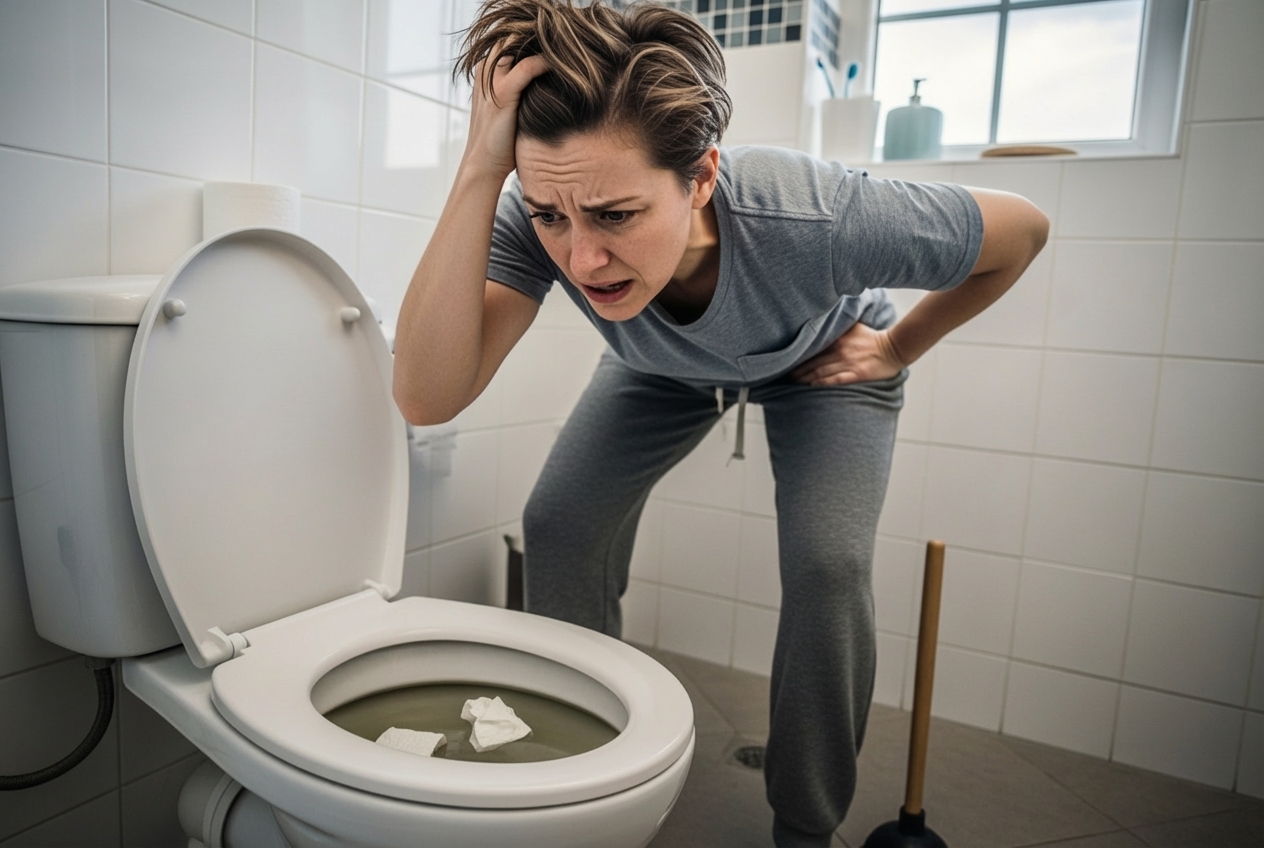
A toilet clog won t clear with plunger because the blockage is either too deep, too hard, or the plunger isn't creating a proper seal. When standard plunging fails, you need alternative methods to break up or remove the obstruction before it becomes a bigger problem.
You've been plunging for what feels like hours, but nothing's happening. The water level stays stubbornly high, and you're starting to wonder if you're doing something wrong—or if the clog is just too stubborn for your trusty plunger. This frustrating scenario is more common than you'd think, especially here in Sacramento, CA, where we see homeowners struggle with persistent toilet clogs that won't budge. Whether it's "flushable" wipes that aren't actually flushable, too much toilet paper, or a foreign object lodged deep in the drain, some clogs need more than basic plunging to clear.
If you're dealing with recurring drain issues throughout your home, check out our guide on common drain issues to understand what might be happening in your plumbing system. For professional help with a stubborn clog, our drain cleaning services can quickly diagnose and resolve the problem.
Quick Solutions When Plunging Fails:
1. Check your plunger type - Use a flange plunger (with an extended rubber cup) for toilets, not a flat cup plunger
2. Try hot water and dish soap - Pour dish soap into the bowl, add hot (not boiling) water, and wait 15-30 minutes
3. Use baking soda and vinegar - One cup of baking soda plus two cups of vinegar can break down softer clogs
4. Reach for a toilet auger - This specialized tool can break through clogs 3-6 feet down the drain
5. Call a professional - If water backs up into other drains or you smell sewage, the problem is deeper than a simple clog
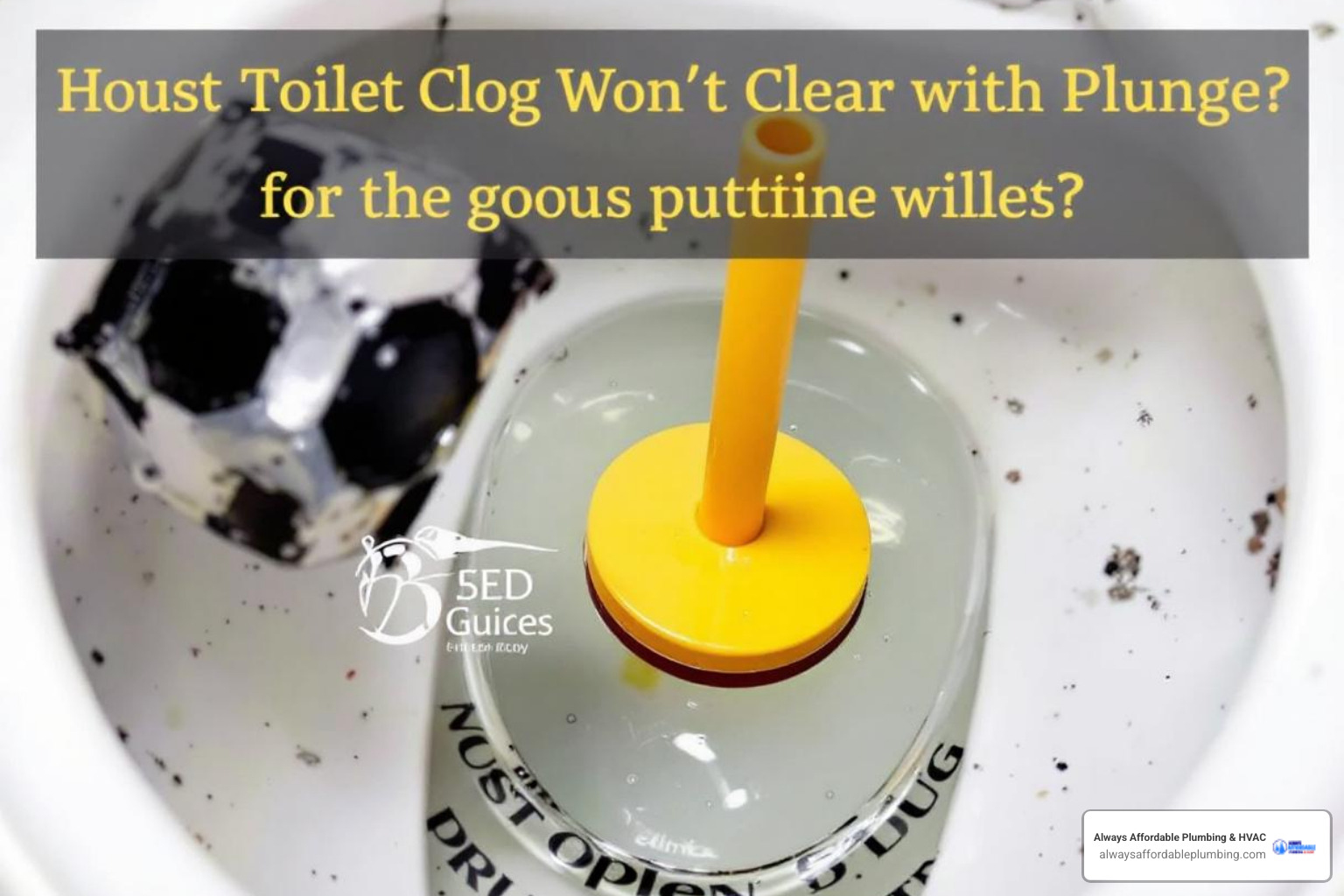
When your toilet clog won t clear with plunger, it's usually for one of several reasons. The plunger itself might not be the right tool for the job, the blockage could be too resilient, or the clog might be located too far down the drain line for a plunger to reach. We understand how frustrating this can be, and it's a common call we receive from homeowners across Sacramento, Elk Grove, and Roseville.
Did you know there's more than one type of plunger? Many people grab the closest one without realizing that not all plungers are created equal for toilets. A standard cup plunger, often used for sink drains, has a flat rubber cup. While effective for flat surfaces, it often creates an ineffective seal around the curved opening of a toilet drain.
For toilets, you need a flange plunger. This type of plunger features an extra rubber lip, or "flange," that extends from the main cup. This flange fits snugly into the toilet's drain opening, creating a much better seal. A proper seal is crucial because it allows the plunger to generate the necessary suction and pressure to dislodge a clog. Without it, you're just pushing air around, and your toilet clog won t clear with plunger.
Sometimes, even with the right plunger and perfect technique, a toilet clog won t clear with plunger because of what's causing the blockage. Clogs can be soft and easily broken up, or they can be hard and immovable.
Common culprits for stubborn clogs include:
• Too much toilet paper: While designed to dissolve, an excessive amount of toilet paper can create a dense, impenetrable mass.
• "Flushable" wipes: Despite what the packaging claims, most wet wipes are not truly flushable. They don't break down like toilet paper and are a major cause of deep, persistent clogs in plumbing systems throughout communities like Folsom and Citrus Heights.
• Feminine hygiene products: These items are designed to absorb liquid and expand, making them a guaranteed clog if flushed.
• Children's toys or foreign objects: Kids are curious, and sometimes that curiosity leads to small toys, toothbrushes, or other objects taking an unexpected trip down the toilet drain. These hard obstructions are almost impossible to move with a plunger alone.
These non-flushable items and foreign objects can create a blockage that is simply too dense or too rigid for a plunger's suction and pressure to dislodge.
Before giving up on your plunger entirely, let's ensure you're using it correctly. Even the best tool is useless if handled improperly. Mastering the plunge can often resolve a toilet clog won t clear with plunger situation.
1. Get the Right Plunger: As we discussed, a flange plunger is best for toilets. Its design allows it to create a tight seal.
2. Ensure Enough Water: The plunger head needs to be fully submerged in water to create effective suction. If the water level is too low, add some water to the bowl. If it's too high and threatening to overflow, carefully remove some water using a disposable cup until it's at a manageable level.
3. Create a Seal: Position the flange plunger over the drain opening, ensuring the flange is seated deep inside the hole and the rubber cup completely covers it. This creates an airtight seal.
4. Gentle Initial Push: Start with a slow, gentle push to remove any air from the plunger. This prevents splashing and helps establish the seal.
5. Vigorous Plunging Motion: Once the air is out and the seal is tight, begin plunging vigorously. Use a strong, steady, up-and-down motion for about 20-30 seconds. The key is not just the downward push, but the powerful upward pull that creates suction, dislodging the clog. Maintain the seal throughout this process.
6. Break the Seal and Check: On your last pull, break the seal quickly to create a vacuum effect. If the water drains, you've succeeded! If not, repeat the process a few more times.
If you've tried the correct plunging technique with a flange plunger and your toilet clog won t clear with plunger, don't panic. Sometimes, a clog just needs a little extra persuasion.
• Check the water level again: Ensure there's enough water to completely submerge the plunger for maximum effectiveness. If not, add water.
• Focus on the suction: The upward pull is just as important as the downward push. The back-and-forth motion creates a vacuum effect that can break apart or pull the clog free.
• Be patient: Stubborn clogs might require several rounds of vigorous plunging. Give it a few attempts before moving on to alternative methods.
• Safety first: Always wear rubber gloves when dealing with clogged toilets, especially if water is overflowing.
When a toilet clog won t clear with plunger, it's time to try some other household solutions. These methods can often break down softer clogs or help lubricate the drain. We serve homeowners across the Sacramento area, including Rancho Cordova, Rocklin, and Loomis, and these tips can often save you a service call. For more advanced solutions, our Drain Cleaning Sacramento CA services are always available.
This is one of the simplest and safest methods to try when your toilet clog won t clear with plunger.
1. Remove excess water: If the toilet bowl is nearly full, use a small, disposable container to remove about half of the water. This makes room for the hot water and soap.
2. Add dish soap: Pour about half a cup of liquid dish soap (like the kind you use for handwashing dishes) into the toilet bowl. The soap acts as a lubricant, helping the clog slide down the pipe.
3. Add hot water (not boiling!): Heat a few cups of water until it's hot but not boiling. Boiling water can potentially crack a porcelain toilet bowl, especially older ones. Pour the hot water into the bowl from waist height to add a little extra force.
4. Wait it out: Let the hot water and dish soap mixture sit for 15 to 30 minutes. This gives the soap time to work its way around the clog and the hot water time to help break it down.
5. Flush: After waiting, try flushing the toilet. If the water drains, you've succeeded! You may need to repeat this method if the clog is particularly stubborn.
This classic household remedy can be surprisingly effective for breaking down organic clogs.
1. Prepare the bowl: Again, if the water level is high, remove some water to make room.
2. Add baking soda: Pour one cup of baking soda into the toilet bowl.
3. Add vinegar: Slowly pour two cups of distilled white vinegar into the bowl. Be prepared for a fizzing reaction! The chemical reaction between baking soda and vinegar helps break up organic matter.
4. Let it sit: Allow the mixture to sit for at least 30 minutes, or even a few hours, to give it time to work.
5. Flush: Try flushing the toilet. If it drains, follow with another flush of hot water (again, not boiling).
This method is safe for your pipes and can often clear softer clogs. For tips on clearing other household drains, check out our guide on the easiest way to clear a slow bathroom sink.
When a toilet clog won t clear with plunger or the hot water and soap method, it's time to bring in a specialized tool: the toilet auger, also known as a closet auger or plumbing snake. This tool is designed to reach deeper clogs than a plunger can.
A toilet auger is a hand-held snake, typically with 3 to 6 feet of cleaning cable, and a curved, plastic elbow sleeve. Unlike regular plumbing snakes that have rigid metal parts, a toilet auger is specially designed with a rubber coating or a curved plastic sleeve to protect the porcelain surface of your toilet bowl from scratches.
How to use a toilet auger:
1. Insert the auger: Carefully feed the curved end of the auger into the toilet drain opening. Make sure the plastic or rubber sleeve is pressed firmly against the porcelain to prevent scratching.
2. Extend the cable: Once the end of the cable is in the drain, crank the handle clockwise. This extends the cable further into the pipe.
3. Break through the clog: Continue cranking and pushing until you feel resistance. This means you've hit the clog. Gently push and rotate the auger to break up or hook onto the obstruction. Avoid excessive force, as this can damage your pipes or the auger itself.
4. Retrieve the clog: Once the clog is broken up or hooked, slowly pull the auger back, retracting the cable as you go. You might pull out some of the clog material.
5. Flush and repeat: Flush the toilet to see if the water drains properly. If not, you may need to repeat the augering process.
For more in-depth information on drain snaking, especially for stubborn issues in Folsom, you can visit our page on Drain Snaking Folsom CA.
While tempting, reaching for harsh chemical drain cleaners when your toilet clog won t clear with plunger can create more problems than they solve. Most chemical drain cleaners are not safe for toilets. They can:
• Damage pipes: The corrosive chemicals can eat away at older pipes, leading to leaks and costly repairs.
• Crack porcelain: The heat generated by some chemical reactions can cause porcelain toilet bowls to crack.
• Be ineffective: For hard obstructions like toys, chemicals do nothing. They also often fail to clear deep clogs.
• Create safety hazards: These chemicals are potent. They can cause chemical burns if they splash back, and their fumes are harmful. If you then call a plumber, they face significant risks working with standing chemical-laden water.
Similarly, avoid using makeshift tools like wire coat hangers or unspecialized sink snakes. These can easily scratch the delicate porcelain of your toilet bowl or get stuck in the pipe, turning a simple clog into a much bigger, more expensive repair. We've seen homeowners in Antelope and Lincoln make these mistakes, leading to unnecessary damage.
If you've tried all the DIY methods and your toilet clog won t clear with plunger or other tools, it might be a sign of a deeper, more serious plumbing issue. These aren't just frustrating; they can indicate problems with your main drain line or sewer system.
Here are some tell-tale signs that the problem extends beyond a simple toilet clog:
• Gurgling sounds: If you hear gurgling from nearby sinks, showers, or other toilets when you flush, it suggests air is being pulled through other parts of your drainage system due to a blockage further down.
• Water backing up in other drains: This is a strong indicator of a main drain line clog. If flushing the toilet causes water to back up in your shower, tub, or sink, the blockage is past the individual fixture's drain and affects a shared line.
• Recurring clogs: If your toilet clogs frequently, even after you've seemingly cleared it, it points to an underlying issue that DIY methods aren't addressing.
• Slow drains throughout the house: If multiple drains in your home (sinks, tubs, showers) are draining slowly, coupled with a stubborn toilet clog, a systemic problem is likely.
• Sewage smell: Persistent sewage odors coming from drains can indicate a backup or a problem with your sewer vent system.
These symptoms often mean the clog is located in the larger drain lines that connect your home's plumbing to the main sewer system. For more information on dealing with significant blockages, refer to our page on Sewer Line Backup or for a professional assessment, consider a Sewer Inspection Sacramento CA.
When a toilet clog won t clear with plunger and you observe the signs above, the issue could be one of the following:
• Main drain line clog: This is a blockage in the primary pipe that carries waste from all your home's fixtures to the sewer. If this line is blocked, waste has nowhere to go, causing backups throughout your home.
• Sewer line obstruction: The problem might be even further down, in the main sewer line connecting your property to the municipal sewer system. These are serious and require professional intervention.
• Tree roots: In areas like Auburn and Granite Bay, tree roots are a common culprit. They can invade sewer lines through tiny cracks, grow inside the pipes, and create significant blockages.
• Collapsed pipe: Older pipes can degrade over time, leading to sections that collapse, creating an impassable barrier for waste. This often requires excavation and repair or replacement.
• Mineral buildup: Over years, hard water minerals can accumulate inside pipes, narrowing the passage and making them more prone to clogs.
Addressing these deeper issues often requires specialized equipment, such as powerful augers or hydro-jetting, and expertise that only a professional plumber possesses. Our team offers Sewer Line Repair Carmichael CA and other surrounding communities for these exact problems.
We know how many questions can arise when a toilet clog won t clear with plunger. Here are some common inquiries we hear from homeowners in West Sacramento, Galt, and beyond.
Prevention is always the best approach! To avoid the frustration of a future toilet clog won t clear with plunger, follow these best practices:
• Only flush human waste and toilet paper: This is the golden rule. Toilets are designed for these two things alone.
• Avoid "flushable" wipes: As we've emphasized, these are a major cause of clogs. Dispose of them in the trash.
• Moderate toilet paper use: Teach household members to use less toilet paper per flush, or to flush multiple times if a large amount is necessary.
• Keep the lid closed: This prevents accidental drops of objects into the bowl, especially in households with children or pets.
• Educate children: Talk to kids about what can and cannot go into the toilet. Provide a small, accessible trash can in the bathroom for non-flushable items.
Sometimes, a partial or soft clog, especially one primarily composed of toilet paper, might eventually clear itself. The weight of the standing water can sometimes exert enough pressure to push a water-soluble clog through, or the clog might slowly dissolve over time.
However, relying on a clogged toilet to "fix itself" is generally not a good idea.
• It can take a long time, rendering the toilet unusable.
• The clog might only partially clear, leaving a residual blockage that makes future clogs more likely.
• If the clog is a solid object or a dense mass, it won't dissolve and will remain a problem.
• Repeated flushing attempts can lead to an overflow, causing water damage and creating an unsanitary mess.
It's better to address a clog proactively than to hope it disappears.
Our professional advice is to avoid using chemical drain cleaners in your toilet. While they might seem like a quick fix when a toilet clog won t clear with plunger, they come with significant risks:
• Porcelain damage: The harsh chemicals can etch or discolor the porcelain finish of your toilet bowl.
• Pipe corrosion: Over time, these chemicals can corrode and weaken your pipes, leading to leaks and costly damage, especially in older plumbing systems common in areas like Woodland and Newcastle.
• Environmental concerns: Many chemical drain cleaners are harmful to the environment and can pollute water systems.
• Ineffective on hard obstructions: For clogs caused by foreign objects, chemicals are completely useless. They simply can't dissolve solid items.
• Safety hazards: As mentioned earlier, these products are highly caustic and can cause severe burns to skin and eyes. The fumes can be toxic. If they don't clear the clog, they leave a dangerous mixture in your toilet that any plumber will then have to deal with.
Mechanical methods like plungers and augers, or natural solutions like baking soda and vinegar, are much safer and often more effective alternatives.
We understand the satisfaction of tackling a home repair yourself. We've equipped you with several DIY methods to try when your toilet clog won t clear with plunger. However, there comes a point when it's best to call in the experts.
If you've tried all the techniques we've discussed – proper plunging, hot water and soap, baking soda and vinegar, and even a toilet auger – and the clog persists, it's time to recognize the limitations of DIY. This is especially true if you're experiencing any of the signs of a deeper plumbing issue, such as gurgling in other drains, water backing up elsewhere, or persistent sewage odors. These indicate a problem that requires specialized tools and expertise.
Our team at Always Affordable Plumbing & HVAC serves the entire Sacramento metropolitan area, including communities like Elk Grove, Folsom, Roseville, Carmichael, and Granite Bay. We have the professional tools and experience to diagnose and resolve even the most stubborn clogs. This includes:
• High-powered augers: More robust than household models, capable of reaching and breaking up difficult clogs further down the line.
• Hydro-jetting: A powerful method that uses high-pressure water to scour the inside of pipes, removing years of buildup, grease, and even some tree roots.
• Camera inspections: We can insert a small camera into your pipes to visually locate the clog, identify its nature (e.g., roots, collapsed pipe, foreign object), and assess the overall condition of your plumbing system. This takes the guesswork out of the repair.
Don't let a persistent toilet clog turn into a plumbing emergency. Attempting to force a stubborn clog or using improper methods can lead to costly damage to your pipes or toilet fixture. For expert help with stubborn clogs, contact our team for Plumbing services. If you're in an urgent situation, our Emergency Plumbing Carmichael CA services are available to provide prompt assistance. We're here to keep your plumbing flowing smoothly!
See what our satisfied customers have to say about their experience with Always Affordable
Plumbing & HVAC.

"Chappy was very skilled in his knowledge of my HVAC unit. I greatly appreciate the quick response and experienced tech. The whole endeavor was made less stressful by his humor and honest conversation. I find comfort in knowing I now have a shop i trust for the next time."
"Tony, James, Ronnie did an amazing job setting up our new AC! They were quick, efficient, considerate, and polite! We appreciate them scheduling us in on such short notice. Definitely recommend this company!"
"Prompt, professional service with kindness and care. They came out to address both plumbing and AC issues. I received a courtesy call before they arrived. All issues were resolved the same day with integrity and respect. Thankful for businesses like this. Absolutely recommend to those that I love."
"Excellent service! Jason came out promptly and in addition to doing my outside faucet he also put in new irrigation equipment! All done perfectly! Jason was lovely"
"Honest with the assessment; friendly and good manners. No high pressure sales. Just good to honest "tell it like you see it" Thought my kitchen disposer needed an overhaul. But Jason, there Plumber gave me an honest lesson on what was really happening. Saved me hundreds, if I went the route of replacing. Thank you!"
"Absolutely 5 stars. If you are looking for affordable ,professional and kind. Chappy was excellent and very knowledgeable . I called in the morning because my air conditioner stopped working he was here within hours and fixed my air with a smile. I highly recommend Chappy and Always Affordable plumbing and Hvac."
"Scott and James were great. They got there quickly and diagnosed the problem with my A/C.They did a very thorough job testing everything. Sent me pictures and called to keep me informed. Got it done the next day and everything is working fine. Be glad when I get home so I can enjoy my new system. Thanks guys for a great job."
"Chappy was very helpful. He knew our issue right away, cleaned our coils. He also came on the same day we called and got our AC blowing cold air again."
"After some timing ’curfuffles’ the Tech Jason arrived and not only completed a speedy install on my toilet, he was personable & professional. Because of the timing issues Jason was attentive and showed up with everything needed! No extra store runs 😊 I was very comfortable with having this Tech in my Daughter’s home. We will definitely use this Service again."