




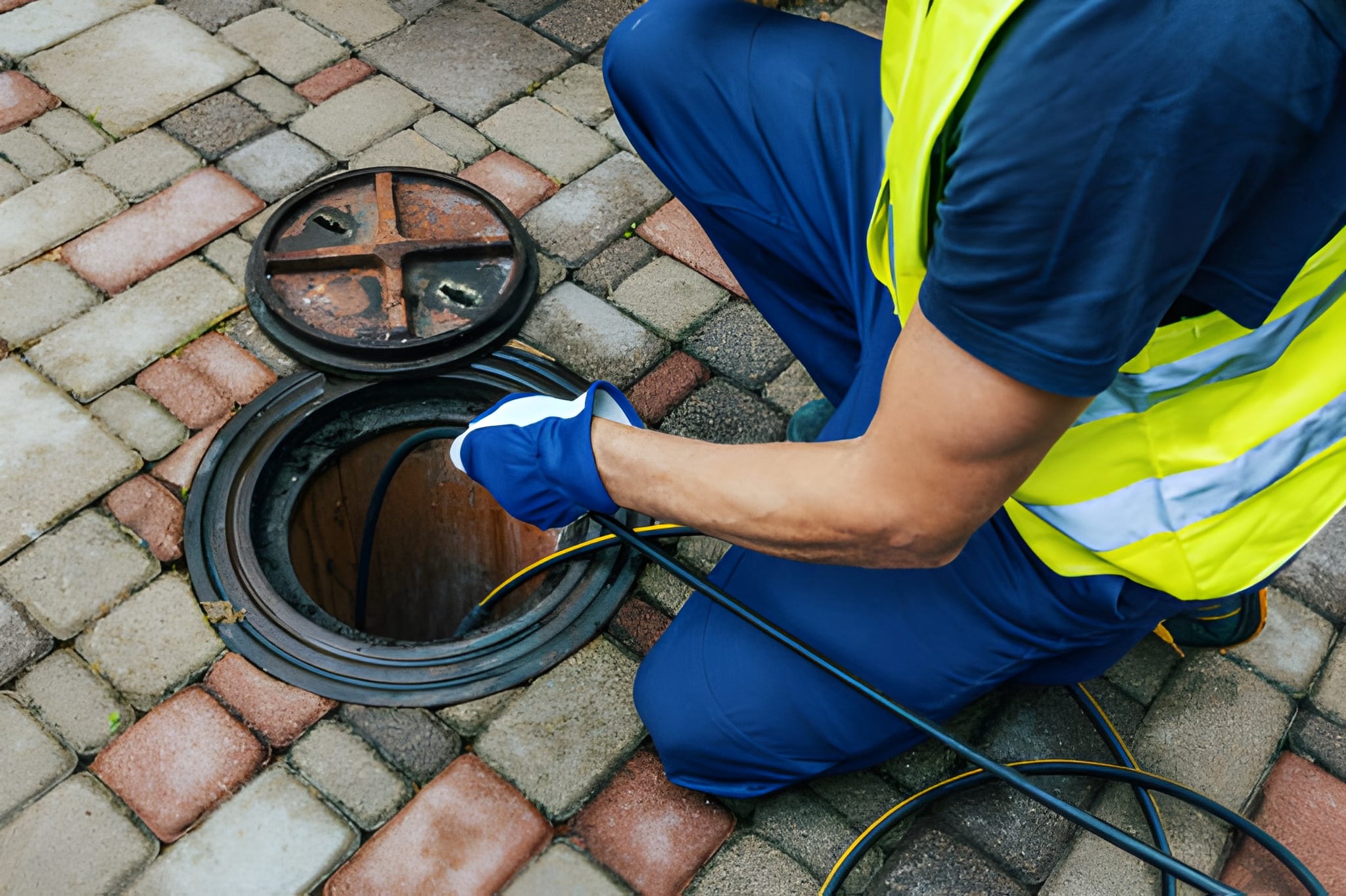
Sewer in Sacramento, CA
Sewer problems are one of the most disruptive issues a homeowner or business can face. In Sacramento, CA, main sewer line clogs and failures are common because of aging pipes, aggressive tree roots, periodic heavy rains and urban runoff, and high restaurant activity in commercial districts. This page outlines professional sewer and drain services for Sacramento properties, explains how issues are diagnosed and repaired, describes realistic timelines, and offers preventive maintenance advice so you can make informed decisions when a sewer problem threatens your home or business.
Common sewer problems in Sacramento homes and businesses
- Slow drains and multiple slow fixtures at once — often the first sign of a main line clog.
- Sewage backups into sinks, tubs, toilets, or floor drains — a public health hazard requiring immediate attention.
- Foul sewer gas odors around drains or in basements/crawlspaces.
- Root intrusion causing recurring blockages or cracked joints (common with older clay or cast iron lines).
- Collapsed, offset, or severely corroded pipes in older neighborhoods.
- Grease and FOG (fats, oils, grease) buildup in restaurant and commercial lines.
- Inflow and infiltration during heavy rain due to failing joints or broken lines.
Typical diagnostic process and what you’ll see
- Initial assessment: a technician confirms symptoms, checks interior cleanouts, and evaluates obvious access points.
- Sewer camera inspection: a high-definition CCTV camera is run through the pipe to locate the blockage, measure pipe condition, spot roots, cracks, fractures, sags (bellies), and identify exact repair locations. Camera video and stills are provided so you can see the problem.
- Leak and inflow testing: when needed, smoke testing or water testing helps find leakage, illegal connections, or places where groundwater enters the sewer.
- Location and scope: a sonde or tracer is used to map the problem zone relative to the surface, which informs whether trenchless or open excavation is appropriate.
Diagnostics are typically completed the same day or within 24-48 hours depending on access and complexity. Camera inspections dramatically reduce guesswork and prevent unnecessary excavation.
Clearing methods: snaking vs hydrojetting
- Snaking (mechanical augers): best for clearing single clogs like hair, tissue, or small root sections. Fast and cost-effective for spot clogs.
- Hydrojetting: uses high-pressure water to scour pipe walls and remove grease, scale, roots, and deposits. Ideal for heavily fouled lines and commercial grease issues. Hydrojetting restores near-original flow and is a preventive option to delay more invasive repair.
Choosing between snaking and hydrojetting depends on the clog type, pipe material, and condition observed on camera. Hydrojetting is more thorough but requires inspection to ensure older, fragile pipes won’t be damaged.
Repair and replacement options: trenchless vs traditional
- Trenchless pipe lining (CIPP): a cured-in-place pipe liner restores damaged pipe internally without full excavation. Best when the host pipe is reasonably continuous but leaking or cracked. Minimal surface disruption, typically completed in a day for most residential runs.
- Pipe bursting: replaces the pipe by fracturing the old line while pulling in a new pipe (HDPE, PVC). Effective for long sections where full replacement is needed and where surface obstructions are manageable.
- Traditional dig-and-replace: necessary when pipes are collapsed, severely offset, or under certain structures. This approach allows full access to problem segments but requires excavation and restoration of landscaping, walkways, or driveways.
Trenchless methods minimize disruption and can be completed in hours to a few days depending on run length and site conditions. Traditional replacement timelines vary with excavation complexity and permitting but typically take several days to a week for most residential jobs.
Emergency sewer response
A true sewer emergency includes active sewage backup into living spaces, large-volume leaking lines, or sudden collapse of a sewer segment. Emergency response protocols typically include:
- Rapid arrival and containment to limit damage and health risks.
- Bypass pumping to divert flow while repairs are made.
- Immediate diagnostic camera work to determine cause.
- Temporary solutions to stop backups followed by a comprehensive repair plan.
Emergency crews work with safety precautions and, where applicable, follow COVID-19 safety guidelines during on-site work.
Commercial sewer solutions for Sacramento businesses
Restaurants, apartment complexes, and commercial kitchens face higher risk from grease, high flow volumes, and regulatory scrutiny. Commercial services include:
- Grease trap maintenance and scheduled hydrojetting to prevent FOG-related backups.
- Large-diameter CCTV inspections and sectional cleaning.
- Root management and targeted repairs on multi-tenant line networks.
- Coordination with local health code requirements and reporting for compliance.
Regular scheduled maintenance is essential for businesses to avoid costly downtime, fines, and property damage.
What to expect during service and realistic timelines
- Inspection appointment: same day or next-day scheduling is common for diagnostics.
- Detailed report: camera footage, a written scope of repairs, and repair method options will be presented.
- Repair scheduling: simple unclogs can often be fixed same day; trenchless repairs are frequently completed in 1 day; full excavations require more time and coordination.
- Clean-up and verification: after repair, a follow-up camera inspection verifies the work and confirms flow restoration.
Technicians provide transparent documentation (videos and photos) of findings and repaired segments so you know exactly what was done.
Preventative maintenance tips to avoid major sewer repairs
- Don’t flush wipes, feminine products, or paper towels—even products labeled flushable can accumulate.
- Keep grease out of kitchen drains; dispose of solidified grease in the trash.
- Schedule periodic camera inspections, especially for homes with mature trees or older sewer lines.
- Hydrojet residential lines every few years if you have recurring slowdowns or heavy sediment build-up.
- Install and test backflow preventers in flood-prone areas and maintain accessible cleanouts.
- Monitor tree plantings and avoid planting large-rooted trees near sewer routes.
Timely maintenance extends pipe life, avoids health hazards, and reduces long-term costs.
Frequently Asked Questions
Q: How long does a sewer camera inspection take?
A: Most residential inspections take 30 to 90 minutes depending on run length and accessibility.
Q: Will hydrojetting damage my pipes?
A: Hydrojetting is safe for most modern pipe materials; older, fragile pipes should be assessed by camera first to determine appropriate pressure settings.
Q: When is trenchless repair not an option?
A: Trenchless lining may not be suitable if the pipe is fully collapsed, severely offset, or has multiple broken sections that prevent pulling or lining.
Q: What signs mean I need emergency sewer service?
A: Sewage backing into fixtures, wastewater on floors, or persistent strong sewer odors inside the home all require immediate professional attention.
Other Services
Customer Testimonials
See what our satisfied customers have to say about their experience with Always Affordable
Plumbing & HVAC.

"Chappy was very skilled in his knowledge of my HVAC unit. I greatly appreciate the quick response and experienced tech. The whole endeavor was made less stressful by his humor and honest conversation. I find comfort in knowing I now have a shop i trust for the next time."
"Tony, James, Ronnie did an amazing job setting up our new AC! They were quick, efficient, considerate, and polite! We appreciate them scheduling us in on such short notice. Definitely recommend this company!"
"Prompt, professional service with kindness and care. They came out to address both plumbing and AC issues. I received a courtesy call before they arrived. All issues were resolved the same day with integrity and respect. Thankful for businesses like this. Absolutely recommend to those that I love."
"Excellent service! Jason came out promptly and in addition to doing my outside faucet he also put in new irrigation equipment! All done perfectly! Jason was lovely"
"Honest with the assessment; friendly and good manners. No high pressure sales. Just good to honest "tell it like you see it" Thought my kitchen disposer needed an overhaul. But Jason, there Plumber gave me an honest lesson on what was really happening. Saved me hundreds, if I went the route of replacing. Thank you!"
"Absolutely 5 stars. If you are looking for affordable ,professional and kind. Chappy was excellent and very knowledgeable . I called in the morning because my air conditioner stopped working he was here within hours and fixed my air with a smile. I highly recommend Chappy and Always Affordable plumbing and Hvac."
"Scott and James were great. They got there quickly and diagnosed the problem with my A/C.They did a very thorough job testing everything. Sent me pictures and called to keep me informed. Got it done the next day and everything is working fine. Be glad when I get home so I can enjoy my new system. Thanks guys for a great job."
"Chappy was very helpful. He knew our issue right away, cleaned our coils. He also came on the same day we called and got our AC blowing cold air again."
"After some timing ’curfuffles’ the Tech Jason arrived and not only completed a speedy install on my toilet, he was personable & professional. Because of the timing issues Jason was attentive and showed up with everything needed! No extra store runs 😊 I was very comfortable with having this Tech in my Daughter’s home. We will definitely use this Service again."