Why Is My AC Running But Blowing Warm Air? Expert Troubleshooting Steps
Why is your AC blowing warm air? Get clear answers on thermostat settings to check and see common homeowner questions answered before calling for a repair.




Heating system setup rancho cordova ca is crucial for homeowners in this Sacramento-area community, where winter temperatures can drop into the 30s and 40s. While Rancho Cordova enjoys California's Mediterranean climate with mild winters compared to many parts of the country, chilly evenings and cold mornings still require a dependable heating solution. Whether you're replacing an aging furnace that's struggling to keep your family warm, installing a new system in a recently purchased home, or upgrading to a more energy-efficient model, understanding the setup process helps you make informed decisions and ensures your home stays comfortable year-round.
Quick Overview: The Heating System Setup Process
1. Assess Your Needs - Evaluate your current system's performance and determine if replacement is necessary
2. Choose the Right System - Select from furnaces, heat pumps, or ductless mini-splits based on your home's size, layout, and existing infrastructure
3. Professional Installation - Licensed technicians remove old equipment, install the new system, and ensure proper calibration
4. Maintain for Longevity - Schedule annual tune-ups to maximize efficiency and extend your system's lifespan
If you're experiencing frequent breakdowns, rising energy bills, or uneven heating throughout your home, it's time to explore your options. For comprehensive heating services in the Sacramento region, visit our main heating services page. Ready to get started? Contact us for a professional heating installation consultation.

Even in sunny California, a reliable heating system is essential for those cool Rancho Cordova evenings. Your heater might be trying to tell you something long before it completely gives out on a cold night. Paying attention to these early warning signs can save you from uncomfortable surprises and costly emergency repairs down the road.
Upgrading to a new, energy-efficient heating system isn't just about avoiding breakdowns. It's about creating a more comfortable home, reducing your monthly utility bills, and breathing cleaner air. Modern HVAC systems can be significantly more energy-efficient than older models, with some units using up to 60% less energy than systems made just a decade ago. That's more warmth for your family and more money staying in your wallet—a combination we can all appreciate.
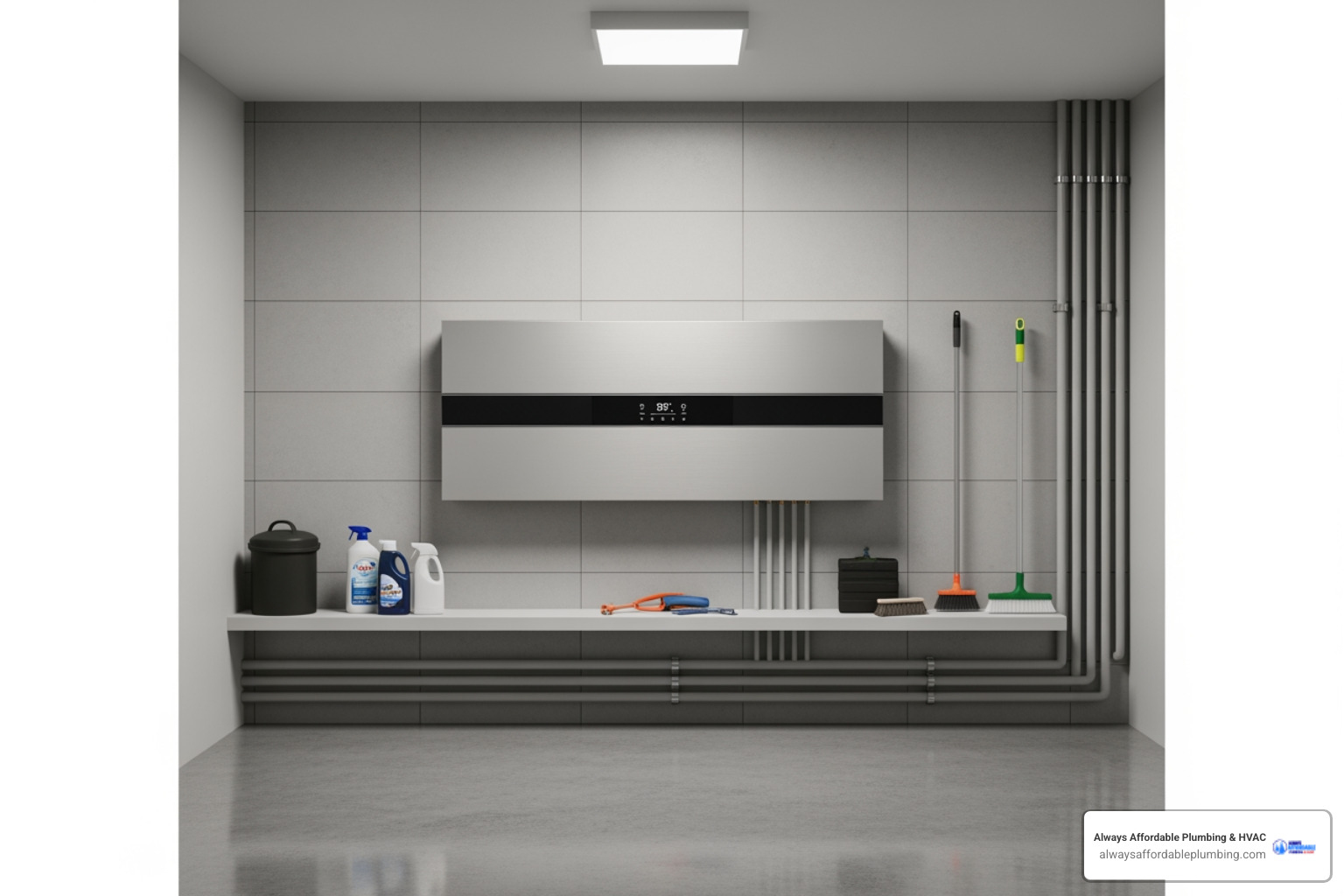
How do you know when your faithful heater is nearing the end of its journey? Let's talk about the telltale signs that it might be time for a heating system setup rancho cordova ca homeowners should watch for.
System age is one of the clearest indicators. If your furnace has been keeping you warm for over 15-20 years, or your heat pump has been running for more than 10-12 years, it's probably operating less efficiently than it once did. While a new gas furnace, with proper maintenance, can last up to 20 to 25 years, older units simply can't match the performance of modern systems.
Are your energy bills climbing higher each year without any significant change in how you use your heater? An inefficient system has to work much harder to maintain your desired temperature, consuming more energy and driving up those monthly costs. It's like an aging car that guzzles gas just to keep up with traffic.
Frequent repairs are another red flag. When you're calling for service every other season, those repair bills add up quickly. At some point, you're essentially making payments on a new system anyway—except you're stuck with an unreliable old one.
Uneven heating throughout your home is more than just annoying. When some rooms feel like a sauna while others stay chilly, it signals that your system can't distribute warmth effectively anymore. This could be due to poor system performance, inadequate ductwork, or a unit that was never properly sized for your home in the first place.
Strange noises or smells coming from your heating unit deserve immediate attention. Grinding, squealing, banging, or persistent musty or burning odors aren't normal. These sounds and smells are your system's way of saying it needs help—or replacement.
Finally, poor indoor air quality often traces back to an aging heating system. If your unit isn't filtering air effectively, you'll notice more dust settling on surfaces, increased allergens, and general discomfort. This is especially concerning for family members with allergies or respiratory issues.
Choosing a new, high-efficiency heating system brings benefits that extend far beyond just reliable warmth on cold nights.
Lower utility bills usually top everyone's list of reasons to upgrade. Newer systems use less energy to produce the same amount of heat, and those savings show up every single month on your energy statement. Over the lifespan of your system, that adds up to thousands of dollars back in your pocket.
Consistent home comfort means no more walking from a warm kitchen into a freezing bedroom. Modern systems provide precise temperature control, eliminating those uncomfortable hot and cold spots that older systems create. Every room maintains that steady, cozy feeling you want in your home.
Quieter operation is a benefit you'll appreciate every day. Advanced technology means today's heating systems run much more quietly than older models. Instead of rattling and rumbling, your new system hums along peacefully in the background.
Improved indoor air quality comes standard with many new systems. Improved filtration captures more dust, pollen, and other airborne particles, creating a healthier living environment for your family. You'll notice less dust on your furniture and easier breathing throughout your home.
Increased home value matters when you're building equity. An updated, energy-efficient HVAC system is an attractive feature for potential homebuyers. It shows you've maintained your home well and gives buyers confidence they won't face immediate heating system expenses.
Most importantly, you gain peace of mind. With a new system properly installed, you can relax knowing your home will stay warm and comfortable throughout the winter, without the constant worry of unexpected breakdowns or emergency repair calls.
Selecting the ideal heating system for your Rancho Cordova home involves more than just picking the first option. We need to consider our unique climate—hot, dry summers and cool, damp winters—to ensure the system performs optimally year-round. Factors like your home's size, its existing ductwork, and our energy efficiency goals will guide our decision. Understanding ratings like SEER2 (Seasonal Energy Efficiency Ratio 2) for cooling and HSPF2 (Heating Seasonal Performance Factor 2) for heating will help us compare efficiency levels and make an informed choice.
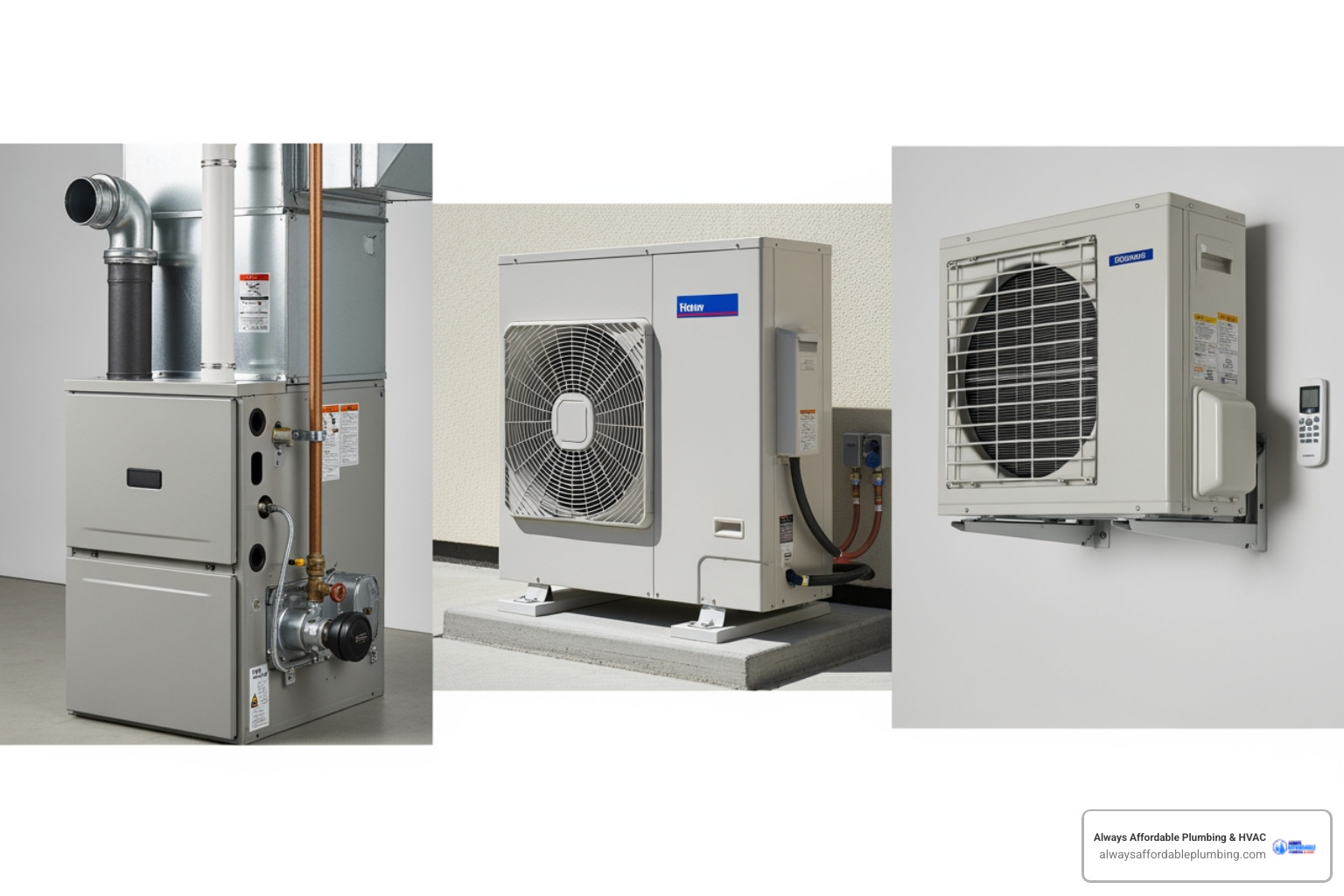
Here's a look at the most common heating systems available for installation in Rancho Cordova:
| Heating System | Best For - - -|| :--- | :--- -|| Gas Furnaces | Homes with existing ductwork looking for powerful, reliable heating. -|| Heat Pumps | Energy-conscious homeowners in moderate climates like Rancho Cordova, as they provide both heating and cooling. -|| Ductless Mini-Splits | Homes without existing ductwork, for room-by-room temperature control, or for additions and converted spaces. -|
When planning your heating system setup in Rancho Cordova, CA, several factors come into play to ensure you get the perfect fit for your home and budget.
• Home Size and Layout: A larger, multi-story home has different heating needs than a smaller, single-level house. We'll perform a detailed load calculation to determine the precise size and capacity required to heat your space evenly and efficiently. An improperly sized unit can lead to higher energy bills and a shorter lifespan.
• Insulation Quality: The quality of your home's insulation, windows, and overall "tightness" significantly impacts how much heat it retains. Better insulation means you might be able to opt for a smaller, more cost-effective heating system.
• Energy Efficiency Goals: Are you looking for the most environmentally friendly option or the one with the lowest long-term operating costs? High-efficiency models, such as those with high HSPF2 ratings, can lead to substantial savings on your utility bills over the life of the system.
• Existing Ductwork: If your home already has a network of ducts, a central furnace or heat pump is often the most straightforward and cost-effective choice. If you don't have ductwork, or if you're adding on to your home, a ductless mini-split system offers a flexible and efficient alternative without the need for extensive renovations.
• System Lifespan: Different systems have different expected lifespans. A well-maintained gas furnace can last 20 years or more. Because they provide both heating and cooling, heat pumps work year-round, and their average lifespan is typically between 10 and 15 years. Considering this longevity helps in planning for future replacement costs.
See what our satisfied customers have to say about their experience with Always Affordable
Plumbing & HVAC.

"Chappy was very skilled in his knowledge of my HVAC unit. I greatly appreciate the quick response and experienced tech. The whole endeavor was made less stressful by his humor and honest conversation. I find comfort in knowing I now have a shop i trust for the next time."
"Tony, James, Ronnie did an amazing job setting up our new AC! They were quick, efficient, considerate, and polite! We appreciate them scheduling us in on such short notice. Definitely recommend this company!"
"Prompt, professional service with kindness and care. They came out to address both plumbing and AC issues. I received a courtesy call before they arrived. All issues were resolved the same day with integrity and respect. Thankful for businesses like this. Absolutely recommend to those that I love."
"Excellent service! Jason came out promptly and in addition to doing my outside faucet he also put in new irrigation equipment! All done perfectly! Jason was lovely"
"Honest with the assessment; friendly and good manners. No high pressure sales. Just good to honest "tell it like you see it" Thought my kitchen disposer needed an overhaul. But Jason, there Plumber gave me an honest lesson on what was really happening. Saved me hundreds, if I went the route of replacing. Thank you!"
"Absolutely 5 stars. If you are looking for affordable ,professional and kind. Chappy was excellent and very knowledgeable . I called in the morning because my air conditioner stopped working he was here within hours and fixed my air with a smile. I highly recommend Chappy and Always Affordable plumbing and Hvac."
"Scott and James were great. They got there quickly and diagnosed the problem with my A/C.They did a very thorough job testing everything. Sent me pictures and called to keep me informed. Got it done the next day and everything is working fine. Be glad when I get home so I can enjoy my new system. Thanks guys for a great job."
"Chappy was very helpful. He knew our issue right away, cleaned our coils. He also came on the same day we called and got our AC blowing cold air again."
"After some timing ’curfuffles’ the Tech Jason arrived and not only completed a speedy install on my toilet, he was personable & professional. Because of the timing issues Jason was attentive and showed up with everything needed! No extra store runs 😊 I was very comfortable with having this Tech in my Daughter’s home. We will definitely use this Service again."