Seasonal Home Maintenance Checklist: Preventing Furnace Failure on the First Freeze
Don't wake up to an icy house on the first freeze. Use this seasonal home maintenance checklist to see what to check before calling a heating professional.




How to improve indoor air quality at home is one of the most important things you can do for your family's health — and most people never think about it.
Here's a quick answer:
1. Control pollution sources — remove or reduce things like VOCs, smoke, and chemical cleaners
2. Improve ventilation — open windows, run exhaust fans, and let fresh air in
3. Use proper filtration — upgrade to MERV-13 or HEPA filters in your HVAC system
4. Manage humidity — keep levels between 30–50% to prevent mold and dust mites
5. Clean regularly — vacuum with a HEPA filter, wash bedding often, and dust with microfiber cloths
Most of us spend around 90% of our time indoors. Yet the air inside your home can actually be two to five times more polluted than the air outside, according to the EPA. Dust, pet dander, mold spores, VOCs from cleaning products, and microscopic PM2.5 particles are all common indoor threats — and they build up quietly.
The health effects are real. Poor indoor air quality can trigger allergies, worsen asthma, cause headaches, and even contribute to long-term respiratory problems. And because Sacramento homes are often sealed tight against summer heat, pollutants can get trapped with nowhere to go.
The good news? Most of the fixes are simple, low-cost, and something you can start today.

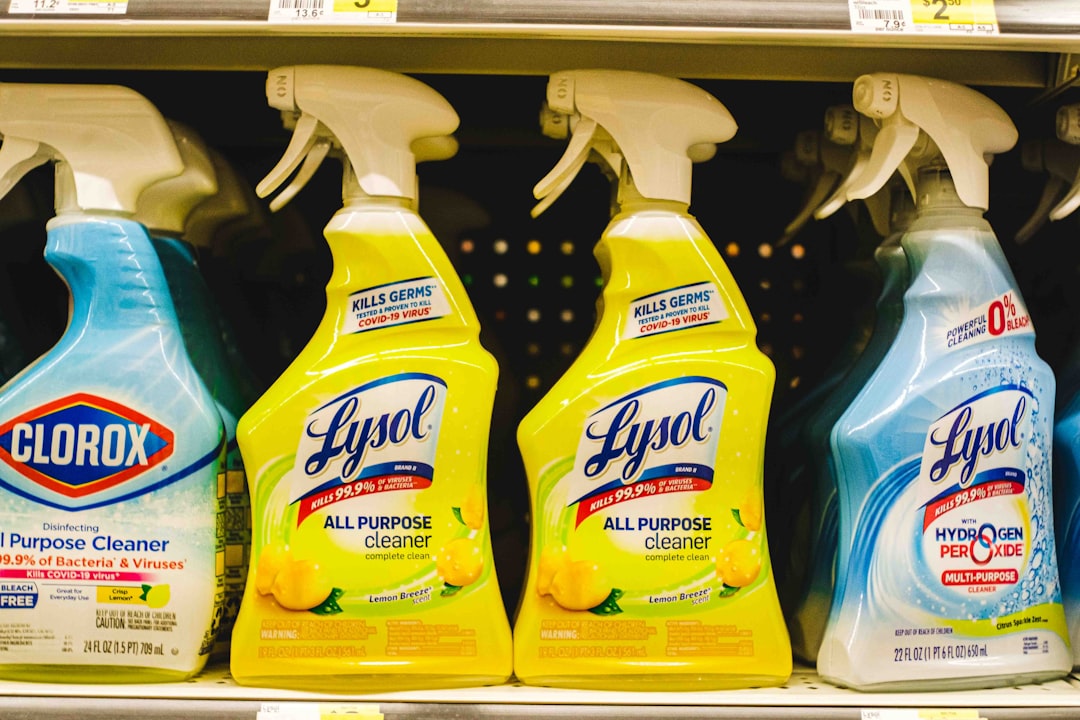
When we think about how to improve indoor air quality at home, the most effective strategy is "source control." This simply means getting rid of the things that cause pollution in the first place. Think of it like this: it’s much easier to stop a leak than it is to constantly mop up the water.
One of the biggest culprits in modern homes is Volatile Organic Compounds, or VOCs. These are invisible gases emitted from everyday items like paints, wax, and even those "mountain breeze" scented air fresheners. In fact, VOC levels can be 2 to 5 times higher indoors than outdoors. One particularly nasty VOC is formaldehyde, which is often found in the glues used for composite wood furniture (like particleboard). If you can, choose solid wood furniture or items labeled as low-VOC.
Another major concern for homeowners in the Sacramento area is radon gas. This is a naturally occurring radioactive gas that seeps through cracks in your foundation. It’s the second leading cause of lung cancer in the U.S., and because it’s odorless and colorless, you won’t know it’s there without a test.
We also have to be mindful of "old" pollutants. If you live in one of our beautiful older homes in areas like Land Park or East Sacramento, you might have lead dust from old paint or asbestos in pipe insulation. If these materials are disturbed, they can hang in the air for a long time.
Sometimes, the air quality issues aren't just invisible—they’re smelly. If you notice Strange AC Odors in Home, it could be a sign of "Dirty Sock Syndrome" (bacteria on your coils) or even a dead critter in the ducts. If you smell something "fishy" or "burnt," that’s a different story. Check out our guide on Strange AC Odors in Your Home to identify exactly what that scent is telling you.
You don’t need a massive budget to make a difference right now. Here are a few "house rules" we recommend to our clients:
• The Shoe-Free Zone: Up to 80% of the dirt in your home comes in on the bottom of your shoes. This includes pesticides, lead dust, and animal waste. Leave them at the door!
• Heavy-Duty Doormats: Use a high-quality mat at every entrance to catch what the shoes don't.
• Microfiber is King: Don't use a feather duster—it just moves the dust around. Microfiber cloths or damp rags actually trap the particles.
• Pet Grooming: Brush your furry friends daily. It keeps the dander (skin cells) from becoming airborne.
• Swap the Scents: Avoid synthetic air fresheners and scented candles. If you want a nice smell, try boiling cinnamon sticks or using high-quality essential oils sparingly.
For those of us living with asthma or allergies, the home can be a minefield of triggers. Dust mites, pet dander, and pollen are the "big three."
To fight back, we suggest washing your bedding and any throw rugs weekly in hot water (at least 130°F) to kill dust mites. If you have carpet, vacuum at least twice a week using a vacuum with a HEPA filter. Without a HEPA filter, your vacuum might just be sucking up dust and blowing the smallest, most irritating particles right back out the exhaust.
Sometimes, the "irritant" isn't a particle at all, but a sound that points to a bigger problem. If you hear Unusual AC Sounds in Your Home, it could mean your system is struggling, which often leads to poor air circulation and increased dust buildup.
The second pillar of how to improve indoor air quality at home is ventilation. Most modern HVAC systems in Sacramento don't actually bring fresh air into the house; they just recirculate the air that’s already there.
The simplest way to ventilate? Open the windows! Even 10 minutes a day can significantly dilute indoor pollutants. However, check the outdoor air quality first—especially during wildfire season or high-pollen days. If the outdoor air is worse than the indoor air, keep those windows shut.
Mechanical ventilation is your best friend in high-moisture areas. Always run your bathroom exhaust fans when showering and for at least 20 minutes afterward to prevent mold growth. In the kitchen, use the range hood every time you cook, especially if you have a gas stove, which can release nitrogen dioxide and carbon monoxide.
If you find that Is Your AC Blowing Warm Air, it might not just be a cooling issue—it could be a sign of restricted airflow. Proper ventilation requires a system that can move air efficiently. If your system is failing to kick on during the few chilly mornings we get, you might want to investigate Why AC Won't Turn on in Heat to ensure your home stays comfortable and well-circulated year-round.
Filtration is your home’s immune system. As we move into April 2026, the technology for home filtration has never been better.
Most people use the cheap, fiberglass filters that look like blue spiderwebs. These are designed to protect the HVAC equipment from large dust bunnies, but they do almost nothing for your lungs. To truly see how to improve indoor air quality at home, you should look at the MERV (Minimum Efficiency Reporting Value) rating of your filters.
• MERV 1-4: Basic protection for the machine.
• MERV 5-8: Good for catching lint and dust.
• MERV 11-13: The "sweet spot" for residential health. These can trap lead dust, mold spores, and even some bacteria and viruses.
We generally recommend MERV-13 filters for families with pets or allergy sufferers. However, be careful—thick filters can sometimes restrict airflow if your system isn't designed for them. This is one reason How Clogged Air Filters Damage AC is such a common problem; a filter that's too dirty or too restrictive can cause your system to overheat or freeze up.
• Standard Fiberglass — Particle Capture (0.3 - 10 microns): < 20% — Best For: Protecting the AC unit only
• Pleated (MERV 8) — Particle Capture (0.3 - 10 microns): 70-85% — Best For: General dust and lint
• High-Efficiency (MERV 13) — Particle Capture (0.3 - 10 microns): > 90% — Best For: Allergies, smoke, and bacteria
• HEPA (Standalone) — Particle Capture (0.3 - 10 microns): 99.97% — Best For: Severe asthma and hospital-grade air
For specific rooms, portable air purifiers with HEPA filters are excellent. They are particularly good at capturing PM2.5—those tiny particles that can enter your bloodstream via your lungs.
Remodeling is a "pollution event." Sanding drywall, sawing wood, and applying new finishes can send pollutant levels skyrocketing. To keep your family safe:
1. Isolate the area: Use plastic sheeting to seal off the room being worked on.
2. Ventilate to the outside: Put a fan in the window blowing out to create negative pressure.
3. Use low-VOC products: Look for paints and glues with the "GreenGuard" certification.
4. Listen to your equipment: If your AC starts making an AC Making a Buzzing Noise, it might be struggling with the extra load of construction dust. Change your filters immediately after any project is finished!
Humidity is the "secret ingredient" in air quality. If your home is too dry (below 30%), your skin and throat get irritated, and viruses can spread more easily. If it’s too humid (above 50%), you’re inviting dust mites and mold to move in.
The EPA recommends keeping your indoor relative humidity between 30% and 50%. In Sacramento, our summers are dry, but our winters can get damp. Using a dehumidifier in a musty basement or a humidifier in a dry bedroom can make a world of difference.
Maintenance is the other half of the equation. Your HVAC system’s coils and drain pans can become breeding grounds for biological pollutants if they aren't cleaned. For example, Sudden Water Leaks from Your AC aren't just a plumbing headache; they often lead to hidden mold growth inside your walls or flooring.
Regular check-ups are vital. An A/C Summer Tune-Up Beat the Heat ensures that your system is not only cooling but also effectively dehumidifying and filtering the air. If you ignore the Top Signs You Need HVAC Repair, you’re likely breathing in air that has bypassed dirty filters or sat in stagnant, moldy drain pans.
This is a popular myth! While the famous NASA study showed that plants can remove VOCs in a small, sealed lab, the reality in a home is different. You would need about 10 plants per square foot to see a real difference in air purification. In fact, over-watering plants can actually hurt air quality by encouraging mold growth in the soil. We love plants for their beauty and mental health benefits, but for clean air, stick to your HVAC filters and open windows.
The standard advice is every 3 months, but that’s a "best-case scenario." If you live in a dusty area like Elk Grove or have a Golden Retriever that sheds like crazy, you should check your filter every 30 days. If it looks grey and fuzzy, swap it out. A clean filter is the cheapest way to prevent expensive repairs and keep your air clean.
You should test for radon if you’ve never done it before, or if you’ve recently done a major remodel that changed your foundation or crawl space. For mold, you don't always need a professional test—if you can see it or smell it, you have a problem that needs to be fixed. However, if family members have unexplained respiratory issues, a professional air quality audit can help pinpoint the cause.
Learning how to improve indoor air quality at home is a journey, not a one-time task. By controlling sources of pollution, keeping your home well-ventilated, and staying on top of HVAC maintenance, you can create a sanctuary where your family can breathe easy.
At Always Affordable Plumbing & HVAC, we’ve spent years helping our neighbors in Sacramento, Roseville, and Folsom stay comfortable and healthy. Whether it's a seasonal tune-up or helping you choose the right filtration system for your home, we’re here to provide transparent, quality service.
Don't let poor air quality affect your life this April. Improve your home comfort with professional HVAC services and start living sneeze-free today!
See what our satisfied customers have to say about their experience with Always Affordable
Plumbing & HVAC.

"Chappy was very skilled in his knowledge of my HVAC unit. I greatly appreciate the quick response and experienced tech. The whole endeavor was made less stressful by his humor and honest conversation. I find comfort in knowing I now have a shop i trust for the next time."
"Tony, James, Ronnie did an amazing job setting up our new AC! They were quick, efficient, considerate, and polite! We appreciate them scheduling us in on such short notice. Definitely recommend this company!"
"Prompt, professional service with kindness and care. They came out to address both plumbing and AC issues. I received a courtesy call before they arrived. All issues were resolved the same day with integrity and respect. Thankful for businesses like this. Absolutely recommend to those that I love."
"Excellent service! Jason came out promptly and in addition to doing my outside faucet he also put in new irrigation equipment! All done perfectly! Jason was lovely"
"Honest with the assessment; friendly and good manners. No high pressure sales. Just good to honest "tell it like you see it" Thought my kitchen disposer needed an overhaul. But Jason, there Plumber gave me an honest lesson on what was really happening. Saved me hundreds, if I went the route of replacing. Thank you!"
"Absolutely 5 stars. If you are looking for affordable ,professional and kind. Chappy was excellent and very knowledgeable . I called in the morning because my air conditioner stopped working he was here within hours and fixed my air with a smile. I highly recommend Chappy and Always Affordable plumbing and Hvac."
"Scott and James were great. They got there quickly and diagnosed the problem with my A/C.They did a very thorough job testing everything. Sent me pictures and called to keep me informed. Got it done the next day and everything is working fine. Be glad when I get home so I can enjoy my new system. Thanks guys for a great job."
"Chappy was very helpful. He knew our issue right away, cleaned our coils. He also came on the same day we called and got our AC blowing cold air again."
"After some timing ’curfuffles’ the Tech Jason arrived and not only completed a speedy install on my toilet, he was personable & professional. Because of the timing issues Jason was attentive and showed up with everything needed! No extra store runs 😊 I was very comfortable with having this Tech in my Daughter’s home. We will definitely use this Service again."