HVAC Repair vs. Replace: Objective Options Comparisons for Homeowners
Facing an HVAC breakdown? Review objective options comparisons for homeowners to see if your aging unit needs repair or replacement. Decide with confidence.



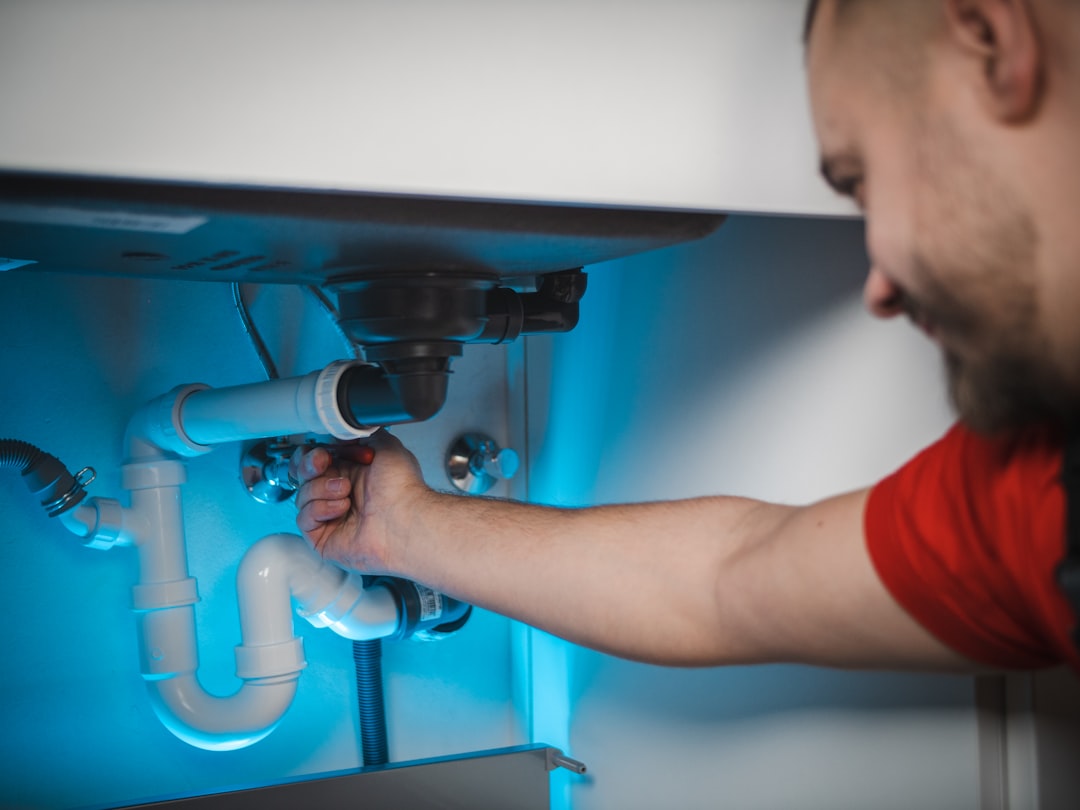
How to prevent plumbing problems before they start comes down to a handful of consistent habits and simple checks that most homeowners overlook until something goes wrong.
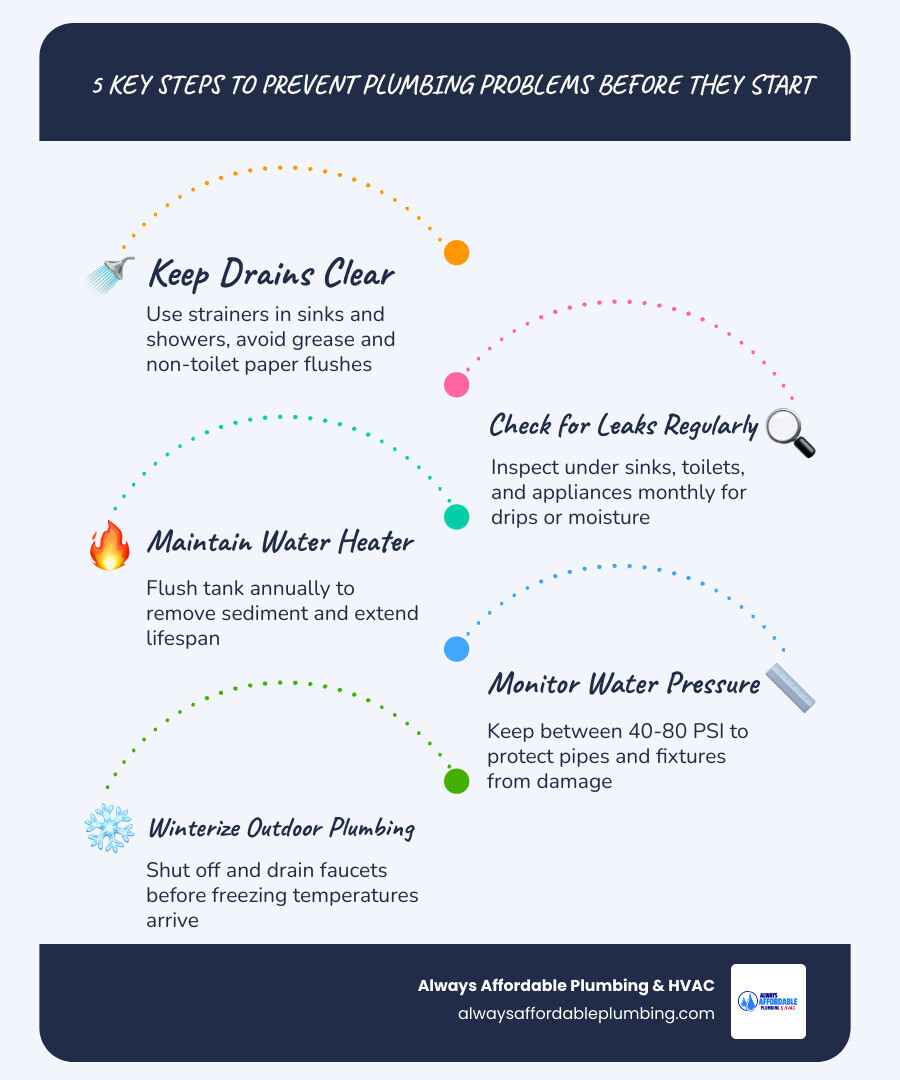
Here's a quick overview of the most effective prevention steps:
1. Keep drains clear - Use strainers, avoid pouring grease down sinks, and never flush anything except toilet paper and waste
2. Check for leaks regularly - Inspect under sinks, around toilets, and near appliances at least once a month
3. Maintain your water heater - Flush the tank annually to remove sediment buildup
4. Monitor water pressure - Keep it between 40-80 PSI to protect pipes and fixtures
5. Address small issues fast - A dripping faucet or slow drain is a warning sign, not a minor annoyance
6. Winterize outdoor plumbing - Shut off and drain outdoor faucets before cold weather hits
7. Schedule professional inspections - Have a licensed plumber inspect your system every 1-2 years depending on your home's age
Most homeowners in Sacramento don't think about their plumbing until water is where it shouldn't be. And by then, a small, fixable problem has often turned into a costly emergency. Consider this: preventive plumbing maintenance typically costs a fraction of what a single emergency repair runs. A dripping faucet alone wastes more than 3,000 gallons of water per year. A running toilet can waste up to 200 gallons every single day. These aren't just water bill problems — they're early warning signs of a system under stress.
The good news? Most plumbing disasters are completely avoidable. With a few smart habits, regular checks, and knowing when to call in a pro, you can keep your home's plumbing running quietly in the background — exactly where it belongs.
Drains are the most frequently used part of your plumbing system, and unfortunately, they are also the most abused. We often treat them like magic disappearing holes for waste, but the reality is that your pipes are sensitive. To truly master how to prevent plumbing problems before they start, you have to start with what goes down the drain.
The first line of defense is a simple drain strainer. These inexpensive mesh or plastic inserts catch hair, food scraps, and bits of soap before they can enter the pipes. If you aren't using them in every sink and shower, you’re essentially inviting a clog to form.
When it comes to keeping things moving, we recommend avoiding harsh chemical cleaners. Many people reach for a bottle of liquid drain opener at the first sign of a slow sink, but how chemical drain cleaners work is actually quite terrifying for your pipes. These chemicals generate intense heat and use caustic reactions that can weaken or even melt plastic pipes and corrode older metal ones. Instead, focus on the best way to clean drain pipes: use enzymatic cleaners or a simple mixture of vinegar and baking soda. This natural fizzing action breaks down light buildup without eating through your plumbing.
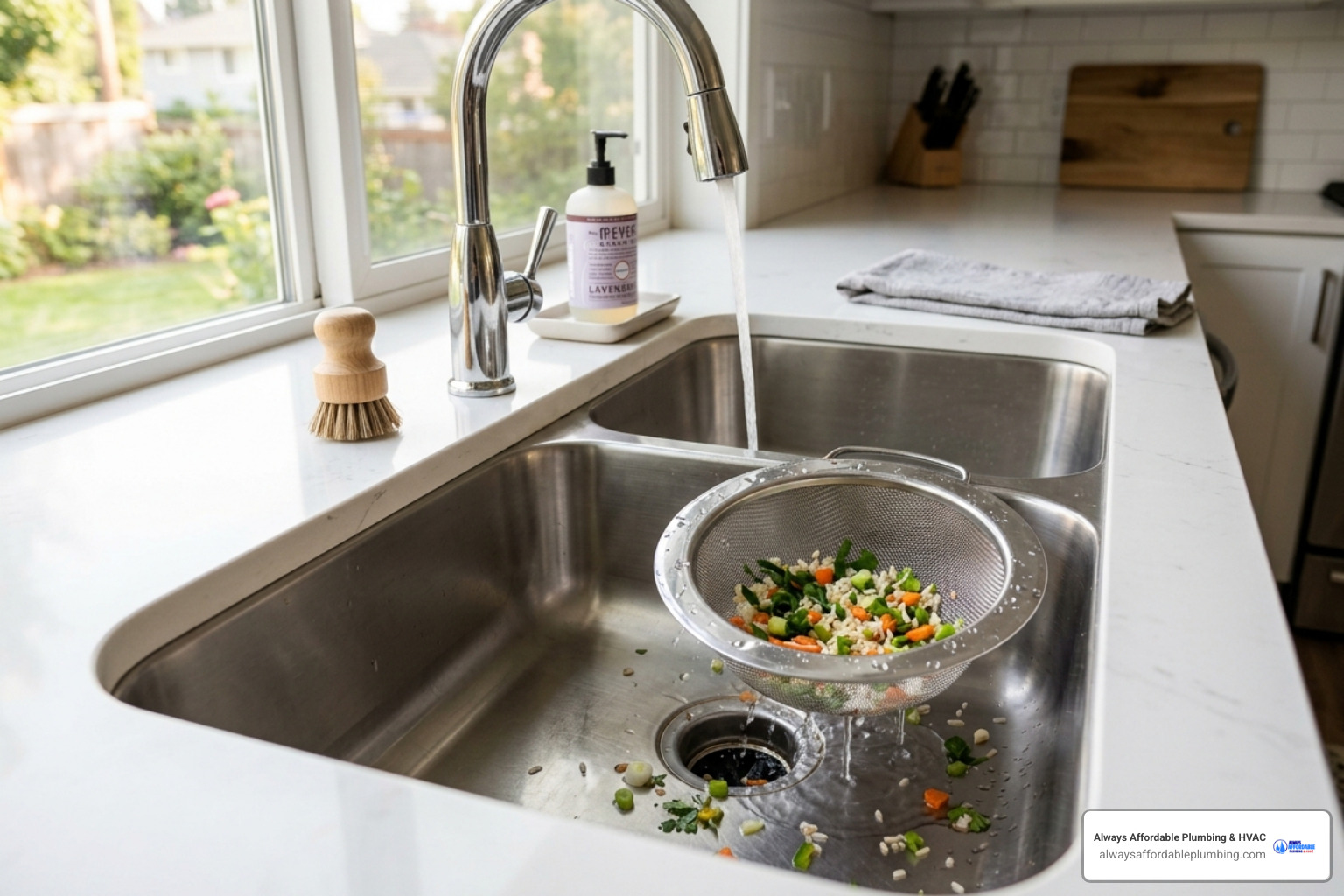
The kitchen is the "danger zone" for clogs, primarily due to Fats, Oils, and Grease (FOG). Even if you pour grease down the drain while it's hot and liquid, it quickly cools and solidifies inside your pipes, acting like glue that traps every other piece of debris passing by.
• Grease Jars: Always pour used cooking oil and grease into a jar or can, let it cool, and toss it in the trash.
• Garbage Disposal Care: Many garbage disposal problems you probably used it wrong stem from treating the unit like a trash can. Avoid fibrous foods (celery, corn husks), coffee grounds, eggshells, and pasta.
• Cold Water Usage: Always run cold water while the disposal is on and for about 30 seconds after you turn it off. This helps any remaining particles flush completely through the P-trap.
If your sink is already struggling, you might have a broken garbage disposal or a deep blockage. For residents in our service area, knowing who does clogged drain repair in Elk Grove can save you from a kitchen flood.
In the bathroom, the rules are even simpler: only flush human waste and toilet paper. That’s it. Even if a product is labeled "flushable," you must keep flushable wipes out of your pipes. These wipes do not break down like toilet paper; instead, they snag on pipe imperfections and create massive "fatbergs" in the sewer line.
Other common bathroom pitfalls include:
• Toilet Paper Limits: Using half a roll in one go is a recipe for disaster. Teach kids the "four-square" rule.
• The Big Poop Problem: Sometimes, nature is just too much for a standard flush. Knowing how to unclog a toilet after a big poop with a proper plunger for clogged toilet (specifically a flange plunger, not a cup plunger) is a vital life skill.
• Shower Caddy Weight: Avoid hanging heavy, overfilled caddies on your shower head. Over time, this weight can pull the shower arm out of the wall, leading to an emergency toilet repair or shower leak.
Prevention isn't just about what you don't do; it's about what you proactively check. Setting a schedule for DIY inspections can help you prevent water waste and catch issues while they are still cheap to fix.
• Weekly — DIY Maintenance Task: Check under sinks for moisture — Why It Matters: Catches slow leaks before mold grows
• Monthly — DIY Maintenance Task: Test toilet for "silent" leaks — Why It Matters: Saves up to 200 gallons of water per day
• Quarterly — DIY Maintenance Task: Inspect appliance hoses — Why It Matters: Prevents catastrophic floods from bursts
• Annually — DIY Maintenance Task: Professional Inspection — Why It Matters: Extends the life of your entire system
One of our favorite "hacks" for a fix running toilet is the food coloring test. Drop a few drops of food coloring into the toilet tank (not the bowl). Wait 20 minutes without flushing. If color appears in the bowl, your flapper is leaking and needs replacement. This simple check can save you hundreds on your water bill.
Don't forget the small stuff, either. A leaky faucet or a small hose leak outside might seem minor, but they are often signs of high water pressure or failing seals that could lead to bigger breaks. For those who want total peace of mind, our VIP plumbing membership to save money offers priority service and regular professional check-ups.
Not all leaks are obvious. Some hide behind walls or under your home's foundation. To find these, you need to become a bit of a detective. Start by locating your water shut off valve so you know how to stop the flow in an emergency.
Next, perform a meter test: turn off every faucet and appliance in the house. Go outside and check your water meter. If the little dial is still spinning, you have a leak somewhere. Other red flags include a musty plumbing smell, unexplained wall stains, or a sudden drop in water pressure. Keeping clean plumbing pipes through regular maintenance helps reduce the buildup that causes these issues.
Your plumbing-connected appliances need love too.
• Dishwashers: Perform dishwasher filter cleaning monthly to prevent backups and keep these 5 things out of your dishwasher to avoid damaging the pump.
• Washing Machines: Replace rubber hoses with braided stainless steel hoses every 5 years. Rubber hoses can brittle and burst without warning.
• HVAC: You might wonder, do you really need an AC tune up? Yes! Your AC has a condensate drain line that can clog and flood your home if not maintained.
The water heater is the second-largest energy consumer in your home, yet it is often the most neglected appliance. In Sacramento, our moderate water hardness means sediment (calcium and magnesium) settles at the bottom of the tank quickly. This sediment acts as an insulator, making the burner work harder and eventually causing the tank to overheat and leak.
Following a water heater purge complete guide once a year is the single best way to extend the life of your unit by 3 to 5 years. If you have a modern system, our tankless maintenance Sacramento guide explains how to flush out mineral scale that can kill efficiency. Also, don't forget to check your anode rod—it’s a sacrificial metal rod that "attracts" corrosion so your tank doesn't have to.
The age of your home tells a story about your pipes.
• Galvanized Pipes: Common in homes built before 1960, these pipes rust from the inside out. If you have low pressure or "rusty" water, you may be looking at a sewer pipe replacement in Roseville, CA.
• Copper Pipes: While durable, they can suffer from "pinhole" leaks due to high water pressure or acidic water.
• Winter Protection: Even in our relatively mild Sacramento winters, temperatures can drop low enough to freeze exposed pipes. Protecting pipes from freezing by using foam insulation sleeves is a cheap weekend project.
Having the best home plumbing tools on hand—like a pipe wrench and a plunger—can help you manage small repairs before they escalate.
High water pressure feels great in the shower, but it’s a silent killer for your plumbing. Most fixtures and pipes are designed to handle 40–60 PSI. If your pressure is over 80 PSI, it’s like your plumbing is constantly "shouting." This leads to blown seals, rattling pipes (water hammer), and shortened appliance lifespans. You can test this yourself with a simple gauge from the hardware store. If it's high, we can install a pressure-reducing valve (PRV) to protect your home.
Hard water affects about 85% of American homes. In the Sacramento area, the mineral content can lead to "scale" on your faucets and inside your appliances. This scale reduces water heater efficiency by up to 22%.
If you find yourself asking, "do you drink clean water?", it might be time for a professional assessment. Why you need a water test today is simple: knowing what's in your water allows you to choose the right water treatment systems to protect both your health and your pipes. For older homes with recurring drainage issues, a sewer camera inspection can reveal if mineral buildup or tree roots are narrowing your main lines.
As the seasons change, so do the risks to your plumbing.
• Fall: Disconnect garden hoses. If left connected, water trapped in the hose can freeze and back up into the pipe inside your wall, causing it to burst.
• Winter: Open cabinet doors under sinks during extreme cold to let warm house air reach the pipes.
• Spring/Summer: Check for main drain issues caused by spring root growth.
Regular sewer inspections can prevent expensive repairs by catching cracks before they result in a sewer line backup. If you do have a stubborn blockage, we often recommend hydro jetting, which uses high-pressure water to scrub pipes clean rather than just poking a hole in the clog.
We are big fans of do it yourself plumbing for things like changing a showerhead or clearing a p-trap. However, you should call a pro if:
1. You have a sewage backup.
2. You smell gas.
3. You have a leak you can't find.
4. You need to move or replace main lines.
For those in a bind, our same day drain cleaning guide for Sacramento and our 24 hour drain cleaning service ensure you’re never left stranded.
The sweet spot is between 40 and 60 PSI. Anything over 80 PSI is considered dangerous for your fixtures and can void appliance warranties.
You should flush it at least once a year. If you live in an area with particularly hard water or have a large family using a lot of hot water, doing it every six months is even better.
No. Despite the marketing, these wipes do not dissolve quickly enough. They are one of the leading causes of septic tank failure and municipal sewer clogs.
Understanding how to prevent plumbing problems before they start is about being mindful of what you put down your drains and keeping a watchful eye on your fixtures. By implementing these simple habits—like using drain strainers, flushing your water heater, and monitoring your water pressure—you can save thousands of dollars in emergency repairs and extend the life of your home’s most vital system.
At Always Affordable Plumbing & HVAC, we are committed to helping our neighbors in Sacramento, Elk Grove, Roseville, and beyond maintain safe, efficient homes. Whether you need a quick drain cleaning or a full system audit, we’re here to provide transparent, quality service.
Contact our professional team for a full system inspection today and let us help you stop plumbing problems before they even have a chance to begin!
See what our satisfied customers have to say about their experience with Always Affordable
Plumbing & HVAC.

"Chappy was very skilled in his knowledge of my HVAC unit. I greatly appreciate the quick response and experienced tech. The whole endeavor was made less stressful by his humor and honest conversation. I find comfort in knowing I now have a shop i trust for the next time."
"Tony, James, Ronnie did an amazing job setting up our new AC! They were quick, efficient, considerate, and polite! We appreciate them scheduling us in on such short notice. Definitely recommend this company!"
"Prompt, professional service with kindness and care. They came out to address both plumbing and AC issues. I received a courtesy call before they arrived. All issues were resolved the same day with integrity and respect. Thankful for businesses like this. Absolutely recommend to those that I love."
"Excellent service! Jason came out promptly and in addition to doing my outside faucet he also put in new irrigation equipment! All done perfectly! Jason was lovely"
"Honest with the assessment; friendly and good manners. No high pressure sales. Just good to honest "tell it like you see it" Thought my kitchen disposer needed an overhaul. But Jason, there Plumber gave me an honest lesson on what was really happening. Saved me hundreds, if I went the route of replacing. Thank you!"
"Absolutely 5 stars. If you are looking for affordable ,professional and kind. Chappy was excellent and very knowledgeable . I called in the morning because my air conditioner stopped working he was here within hours and fixed my air with a smile. I highly recommend Chappy and Always Affordable plumbing and Hvac."
"Scott and James were great. They got there quickly and diagnosed the problem with my A/C.They did a very thorough job testing everything. Sent me pictures and called to keep me informed. Got it done the next day and everything is working fine. Be glad when I get home so I can enjoy my new system. Thanks guys for a great job."
"Chappy was very helpful. He knew our issue right away, cleaned our coils. He also came on the same day we called and got our AC blowing cold air again."
"After some timing ’curfuffles’ the Tech Jason arrived and not only completed a speedy install on my toilet, he was personable & professional. Because of the timing issues Jason was attentive and showed up with everything needed! No extra store runs 😊 I was very comfortable with having this Tech in my Daughter’s home. We will definitely use this Service again."