Navigating the Spring-to-Summer HVAC Transition: A Safe Homeowner's Maintenance Guide
Why do HVAC systems fail on the first 80-degree day? See what belongs on your seasonal home maintenance checklist and when to call a pro before summer hits.



What does an HVAC maintenance plan include is one of the most important questions a Sacramento-area homeowner can ask before the summer heat or winter chill arrives. The short answer:
A standard HVAC maintenance plan typically includes:
• Seasonal inspections - full system checkup in spring (cooling) and fall (heating)
• Coil cleaning - evaporator and condenser coils cleared of buildup
• Filter inspection or replacement - assessing or swapping out air filters
• Refrigerant level check - protecting the compressor from damage
• Electrical and safety checks - wiring, capacitors, connections, and thermostat calibration
• Condensate drain clearing - preventing clogs, mold, and water damage
• Carbon monoxide and combustion testing - for gas furnaces and heat exchangers
• Blower motor and airflow diagnostics - ensuring proper air delivery throughout the home
• Performance and safety documentation - written record of findings for warranty compliance
Think of it like routine care for your car or a dental cleaning. Skipping it might seem fine in the short term, but small issues quietly grow into expensive ones. Heating and cooling account for roughly 43% of a typical home's energy bill, and a neglected system can consume 15% or more energy than a well-maintained one. For homeowners in Sacramento, Elk Grove, Roseville, and surrounding areas — where summers push systems hard and winters demand reliable heat — that adds up fast.
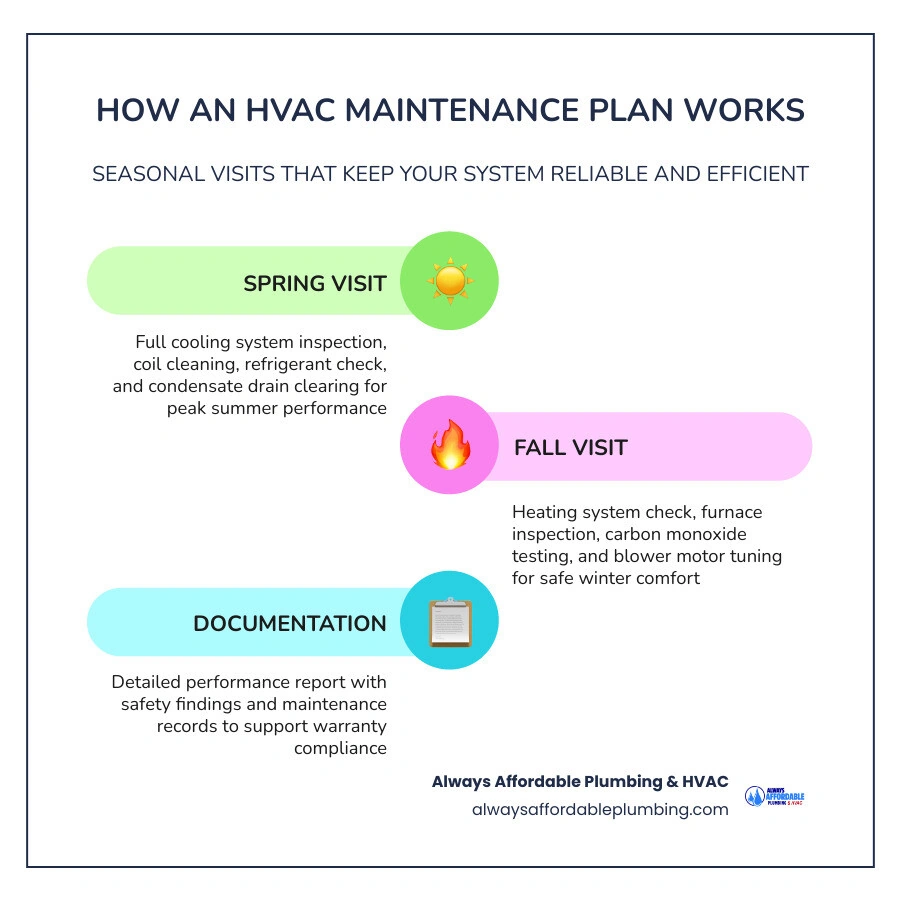
At its core, an HVAC maintenance plan is an ongoing service agreement that keeps your heating and cooling system on a schedule instead of waiting for it to fail at the worst possible time. In most homes around Sacramento and nearby communities, that means one visit before cooling season and one before heating season.
A good plan usually includes:
1. Inspection of major heating and cooling components
2. Cleaning of key parts that affect efficiency
3. Testing for safety and performance
4. Airflow and filter checks
5. Written notes about system condition and recommended repairs
The exact checklist can vary, but the goal stays the same: help the system run safely, efficiently, and reliably.
During the cooling visit, we focus on the parts that work hardest during Sacramento summers.
Typical cooling maintenance includes:
• Inspecting and cleaning the condenser coil
• Checking the evaporator coil condition
• Testing refrigerant levels and pressures
• Looking for refrigerant leaks
• Flushing the condensate drain line
• Cleaning the condensate drain pan if needed
• Inspecting the blower motor and fan operation
• Testing thermostat operation and cooling response
• Measuring airflow and temperature performance
Dirty coils, low refrigerant, and clogged drains are common causes of poor AC performance. They can lead to higher energy use, frozen coils, water leaks, and extra wear on the compressor. Since neglected systems may use 15% or more extra energy, these basic tune-up tasks matter more than many homeowners realize.
The heating visit shifts attention to the furnace or heat pump heating mode. Even though Sacramento winters are milder than some parts of the country, reliable heat and safe operation still matter.
Heating maintenance often includes:
• Inspecting the furnace cabinet and components
• Checking the heat exchanger for signs of wear or cracks
• Inspecting the ignition system
• Cleaning burners as needed
• Evaluating the blower assembly
• Testing heating cycle performance
• Checking gas pressure where applicable
• Performing carbon monoxide and combustion safety testing on gas systems
• Verifying proper heat pump operation in heating mode
This part of the visit is especially important for gas furnaces because safety checks are a major part of maintenance. Combustion issues, burner problems, or heat exchanger concerns are not the kind of surprises anyone wants on a cold morning.
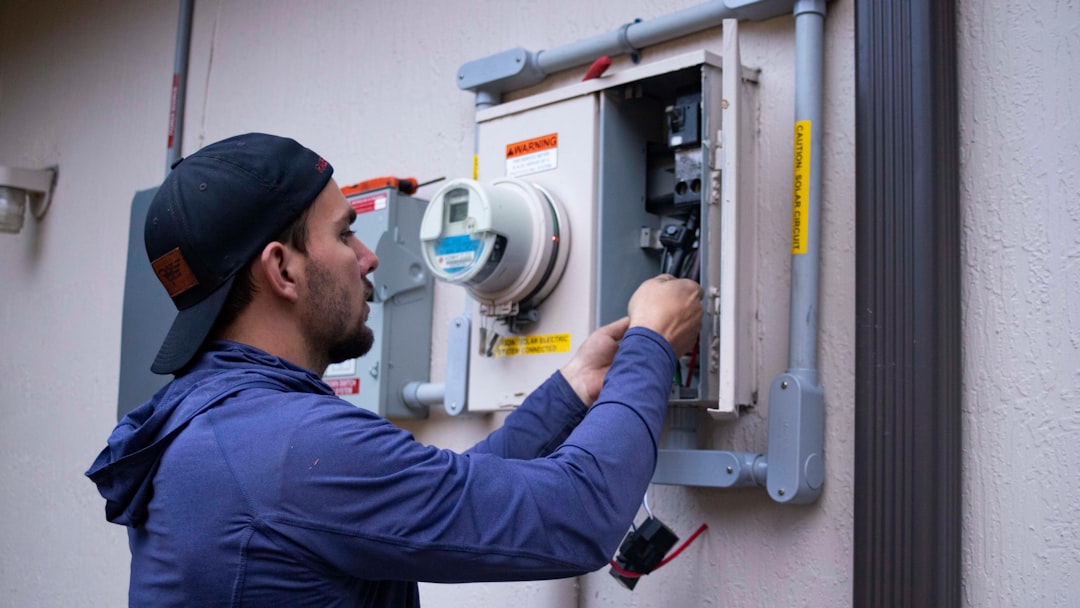
A maintenance plan should also include the less visible but very important electrical and operational testing that helps catch failures early.
Homeowners should expect checks such as:
• Capacitor testing
• Contactor inspection
• Voltage and amp draw checks
• Inspection of wiring and electrical connections
• Tightening loose connections where appropriate
• Thermostat calibration or testing
• Verifying proper system cycling
• Measuring temperature split and overall performance
These checks matter because many breakdowns start small. A weak capacitor, loose wire, or failing contactor may not shut the system down today, but it can create a no-cooling or no-heating call later. Catching those early is one of the biggest reasons people choose a maintenance plan.
Not every maintenance task is glamorous. Some are simple. But simple does not mean unimportant.
Most plans include basic cleaning and airflow-related work such as:
• Inspecting the air filter
• Replacing the filter if included or if homeowner-supplied
• Checking return vents for blockage
• Removing debris around the outdoor unit
• Cleaning accessible dust and buildup from key components
• Verifying proper airflow across the system
Airflow problems are one of the fastest ways to make an HVAC system work harder than it should. A clogged filter can restrict airflow, reduce comfort, and increase strain on motors and coils. For more practical upkeep advice between visits, see our HVAC Maintenance Tips.
Most HVAC maintenance plans are built around biannual service. In plain English: two visits per year.
That schedule usually looks like this:
• Spring visit for the air conditioning system
• Fall visit for the heating system
This timing matters. Pre-season maintenance helps us catch issues before the first major heat wave or cold snap. It is much better to find a weak capacitor in spring than during a 100-degree Sacramento afternoon.
Visits often take about one to two hours depending on the system type, age, condition, and accessibility. After the appointment, homeowners should receive some form of maintenance record or findings summary. That documentation can be helpful for tracking equipment condition and supporting warranty requirements.
Each maintenance visit should be more than a quick glance and a filter swap.
A proper visit generally includes:
• A seasonal checklist based on cooling or heating mode
• Full system inspection
• Safety testing
• Performance testing
• Basic cleaning
• Documentation of findings
• Identification of worn or failing parts
If something minor is found, the technician can often recommend the next best step before the problem grows. That is one of the biggest advantages of a maintenance plan: it turns HVAC care from reactive into proactive.
For most homes, professional HVAC maintenance should happen twice a year.
That is especially true for:
• Homes with both AC and furnace systems
• Heat pump systems that heat and cool
• Older equipment
• Homes with heavy HVAC use
• Households with pets, allergies, or dust concerns
• Homes in Sacramento-area climates with long cooling seasons
If your system is older or runs almost nonstop through the summer, extra monitoring may make sense. If you want a deeper breakdown of timing, visit How Often Should You Service Your HVAC.
Professional service is important, but homeowners still play a big role between tune-ups.
Safe DIY tasks include:
• Changing filters every 30 to 90 days depending on household conditions
• Keeping supply and return vents open and unobstructed
• Clearing leaves, weeds, and debris around the outdoor unit
• Replacing thermostat batteries if needed
• Watching for ice on refrigerant lines
• Paying attention to unusual odors or noises
• Noticing weak airflow or uneven temperatures
These simple steps help, but they are not a replacement for professional maintenance. Electrical testing, refrigerant checks, combustion analysis, and internal diagnostics should be left to trained HVAC technicians.
A maintenance plan is not just about avoiding inconvenience. It is about reducing strain on one of the most expensive and heavily used systems in the home.
The biggest benefits usually include:
• Better energy efficiency
• Lower wear and tear
• More consistent comfort
• Improved indoor air quality
• Fewer surprise breakdowns
• Better long-term system reliability
• Support for warranty documentation
Heating and cooling systems are generally designed to last around 10 to 15 years with proper maintenance. Neglect is one of the leading reasons systems fail early.
Regular maintenance helps equipment last longer because it reduces unnecessary stress.
For example:
• Clean coils transfer heat better
• Proper refrigerant levels protect the compressor
• Clean filters improve airflow
• Lubricated and inspected moving parts experience less wear
• Electrical testing catches components before they fail catastrophically
• Small problems can be corrected before they damage larger parts
Think of it this way: when airflow is restricted or refrigerant is low, the system has to work harder to do the same job. Over time, that extra strain can shorten equipment life. Regular service helps systems reach their expected lifespan instead of retiring early and dramatically.
Even if you already have a maintenance plan, some warning signs mean you should schedule service sooner rather than later.
Watch for:
• Rattling, buzzing, or grinding noises
• Rising utility bills without a clear reason
• Uneven temperatures from room to room
• Short cycling
• Weak airflow
• Musty, burning, or unusual smells
• Excess indoor humidity
• Water around the indoor unit
• Trouble keeping up on hot Sacramento afternoons
These symptoms often point to issues like dirty coils, clogged drains, weak capacitors, low refrigerant, or airflow restrictions.
Maintenance cannot promise that nothing will ever break. Parts can still fail. But regular service helps prevent many common and expensive problems, including:
• Frozen evaporator coils
• Clogged condensate drains and water damage
• Compressor strain from low refrigerant or dirty coils
• Blower issues from airflow restriction
• Electrical failures from worn components
• Gas or combustion safety concerns
• Carbon monoxide risks in furnace systems
• Emergency breakdowns during peak weather
That is why preventative care matters. It catches the little stuff before it turns into the dramatic stuff. For more on reducing emergency calls, read How to Prevent HVAC Emergencies with Maintenance.
Not every maintenance plan looks exactly the same. What is included can vary based on the system, the home, and the service agreement.
In our Sacramento-area service region, plan details may be shaped by:
• Long, hot cooling seasons
• Whether the home has a gas furnace, heat pump, or packaged system
• System age and condition
• Home size and airflow demands
• Indoor air quality needs
• Whether the property is residential or light commercial
Different equipment needs different attention.
For example:
• Central AC systems need cooling checks such as refrigerant, coils, drains, and condenser performance.
• Gas furnaces need burner inspection, ignition checks, heat exchanger evaluation, and carbon monoxide safety testing.
• Heat pumps need service in both cooling and heating operation because they work year-round.
• Air handlers need blower, airflow, drain, and electrical checks.
• Ducted systems may also benefit from basic ductwork and airflow inspection.
• Thermostat controls should be checked regardless of system type.
If you want more local guidance, our HVAC Maintenance Guide Folsom covers helpful maintenance considerations for nearby homeowners too.
Beyond the tune-up itself, plan features may differ in a few practical ways.
Some plans may include:
• Priority scheduling
• Service reminders
• Digital maintenance records
• Discounts on covered work
• Waived or reduced diagnostic-related fees
• Loyalty-style membership perks
• Different visit frequencies
• Different levels of repair or labor coverage
Here is a simple comparison of common plan differences:
• Seasonal visits — Basic Plan Features: Usually included — Premium Plan Features: Included
• Inspection and testing — Basic Plan Features: Included — Premium Plan Features: Included
• Basic cleaning — Basic Plan Features: Included — Premium Plan Features: Included
• Service reminders — Basic Plan Features: Sometimes — Premium Plan Features: Usually included
• Priority scheduling — Basic Plan Features: Sometimes — Premium Plan Features: More likely
• Repair-related perks — Basic Plan Features: Limited — Premium Plan Features: More likely
• Documentation — Basic Plan Features: Usually included — Premium Plan Features: Included
For a closer look at plan options and memberships, see our HVAC Service Plans.
It is also important to keep expectations realistic.
A maintenance plan does not always include:
• Every repair that may be needed
• Pre-existing damage
• Full parts replacement
• Major emergency repairs
• Add-on indoor air quality upgrades
• Duct replacement or major system modifications
In other words, maintenance helps prevent problems, but it is not magic. It is also different from a one-time tune-up. A one-time visit is helpful, but an ongoing plan keeps the system on a schedule and makes it less likely that maintenance gets forgotten until the thermostat starts losing the argument with the weather.
For most homeowners, yes, an HVAC maintenance plan is worth considering.
Why? Because it offers:
• Fewer surprises
• Better seasonal readiness
• More consistent comfort
• Better system awareness
• Ongoing reminders instead of guesswork
• Long-term value through prevention
If you have ever had an AC stop cooling during the first serious heat wave, you already understand the emotional value of preventative maintenance. Few household experiences unite a family faster than everyone standing around one thermostat asking why it is 82 degrees indoors.
A maintenance plan is usually a strong fit for:
• Older HVAC systems
• Homes with pets or heavy dust loads
• Allergy-sensitive households
• Busy homeowners who do not want to track service dates
• Rental properties
• Homes with long summer runtime in Sacramento and surrounding cities
• Homeowners who want documentation for warranty support
A one-time tune-up may be reasonable if:
• The equipment is newer
• The system has been recently serviced
• Usage is fairly light
• The home has a simple setup
• You do not expect to stay in the home long-term
Even then, regular maintenance is still the healthier long-term habit for the equipment.
The best plan is not always the one with the longest list of perks. It is the one that matches your equipment and how you use it.
We recommend looking for:
• A written checklist of what is actually included
• Two seasonal visits for most homes
• Clear coverage of heating and cooling tasks
• Maintenance documentation after visits
• Service reminders
• Local support from a company that works in your area
If you want to explore your options, our HVAC Maintenance Tips and HVAC Service Plans can help you compare what matters most.
In many cases, regular professional maintenance helps support warranty compliance. Manufacturers commonly expect proof that the equipment was maintained according to their requirements. If there is no maintenance record, warranty claims can become more difficult. That is why written service documentation matters.
A typical visit often takes one to two hours. The actual time depends on system type, accessibility, age, and whether the technician finds issues that need closer inspection.
Yes, but only the basic tasks.
Homeowners can usually handle:
• Changing filters
• Keeping vents clear
• Clearing debris around the outdoor unit
• Replacing thermostat batteries
• Watching for visible warning signs
Professional-only tasks include:
• Refrigerant testing and adjustments
• Internal electrical diagnostics
• Combustion testing
• Carbon monoxide checks
• Opening and servicing major components
An HVAC maintenance plan is really about staying ahead of problems instead of reacting to them after comfort, efficiency, or safety has already slipped. For homeowners in Sacramento, Elk Grove, Roseville, Folsom, Rancho Cordova, Citrus Heights, and nearby areas, regular maintenance can mean better performance, longer equipment life, cleaner airflow, and fewer breakdowns when the weather is at its worst.
At Always Affordable Plumbing & HVAC, we believe preventative care should feel straightforward, helpful, and worth doing. If you want dependable year-round comfort and a clearer picture of your system’s condition, professional maintenance is one of the smartest steps you can take.
Ready to learn more about service options for your home or business? Visit our HVAC services page.
See what our satisfied customers have to say about their experience with Always Affordable
Plumbing & HVAC.

"Chappy was very skilled in his knowledge of my HVAC unit. I greatly appreciate the quick response and experienced tech. The whole endeavor was made less stressful by his humor and honest conversation. I find comfort in knowing I now have a shop i trust for the next time."
"Tony, James, Ronnie did an amazing job setting up our new AC! They were quick, efficient, considerate, and polite! We appreciate them scheduling us in on such short notice. Definitely recommend this company!"
"Prompt, professional service with kindness and care. They came out to address both plumbing and AC issues. I received a courtesy call before they arrived. All issues were resolved the same day with integrity and respect. Thankful for businesses like this. Absolutely recommend to those that I love."
"Excellent service! Jason came out promptly and in addition to doing my outside faucet he also put in new irrigation equipment! All done perfectly! Jason was lovely"
"Honest with the assessment; friendly and good manners. No high pressure sales. Just good to honest "tell it like you see it" Thought my kitchen disposer needed an overhaul. But Jason, there Plumber gave me an honest lesson on what was really happening. Saved me hundreds, if I went the route of replacing. Thank you!"
"Absolutely 5 stars. If you are looking for affordable ,professional and kind. Chappy was excellent and very knowledgeable . I called in the morning because my air conditioner stopped working he was here within hours and fixed my air with a smile. I highly recommend Chappy and Always Affordable plumbing and Hvac."
"Scott and James were great. They got there quickly and diagnosed the problem with my A/C.They did a very thorough job testing everything. Sent me pictures and called to keep me informed. Got it done the next day and everything is working fine. Be glad when I get home so I can enjoy my new system. Thanks guys for a great job."
"Chappy was very helpful. He knew our issue right away, cleaned our coils. He also came on the same day we called and got our AC blowing cold air again."
"After some timing ’curfuffles’ the Tech Jason arrived and not only completed a speedy install on my toilet, he was personable & professional. Because of the timing issues Jason was attentive and showed up with everything needed! No extra store runs 😊 I was very comfortable with having this Tech in my Daughter’s home. We will definitely use this Service again."