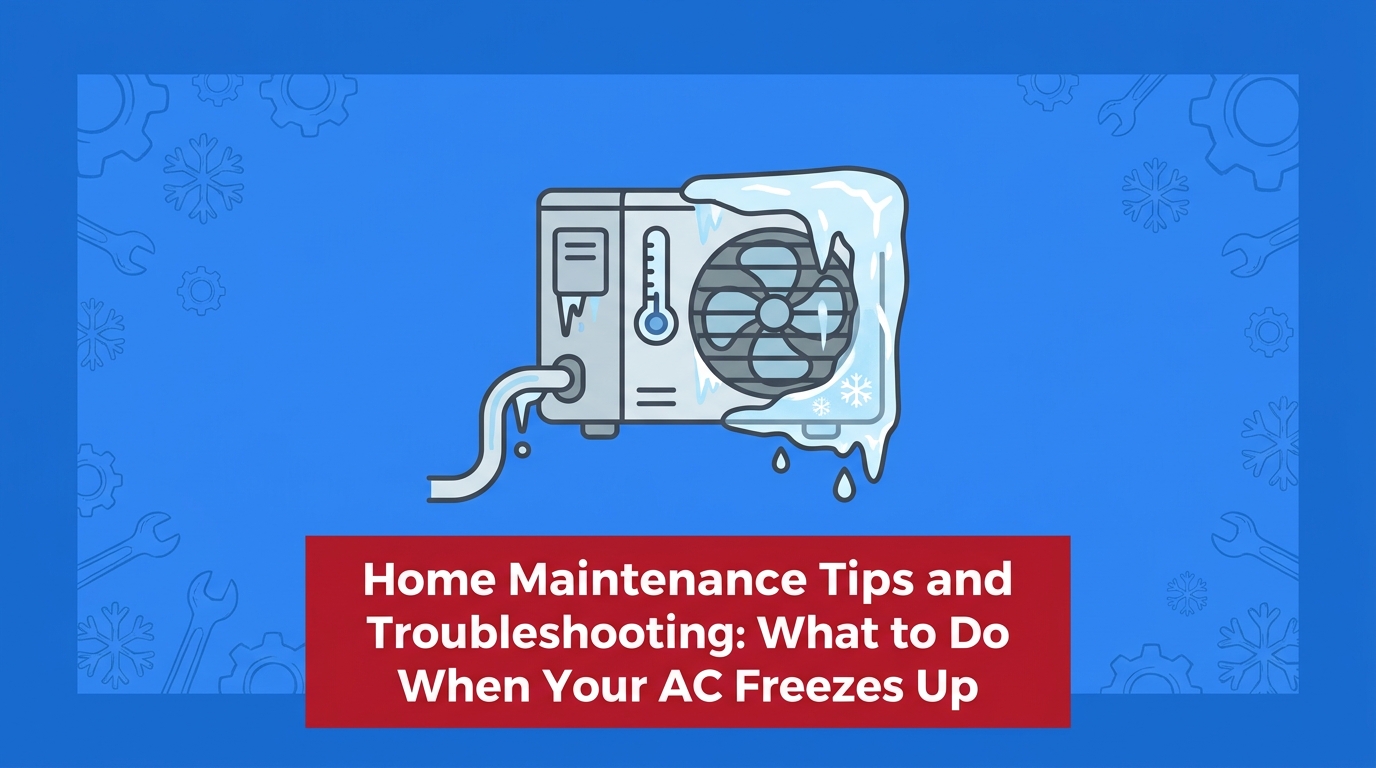
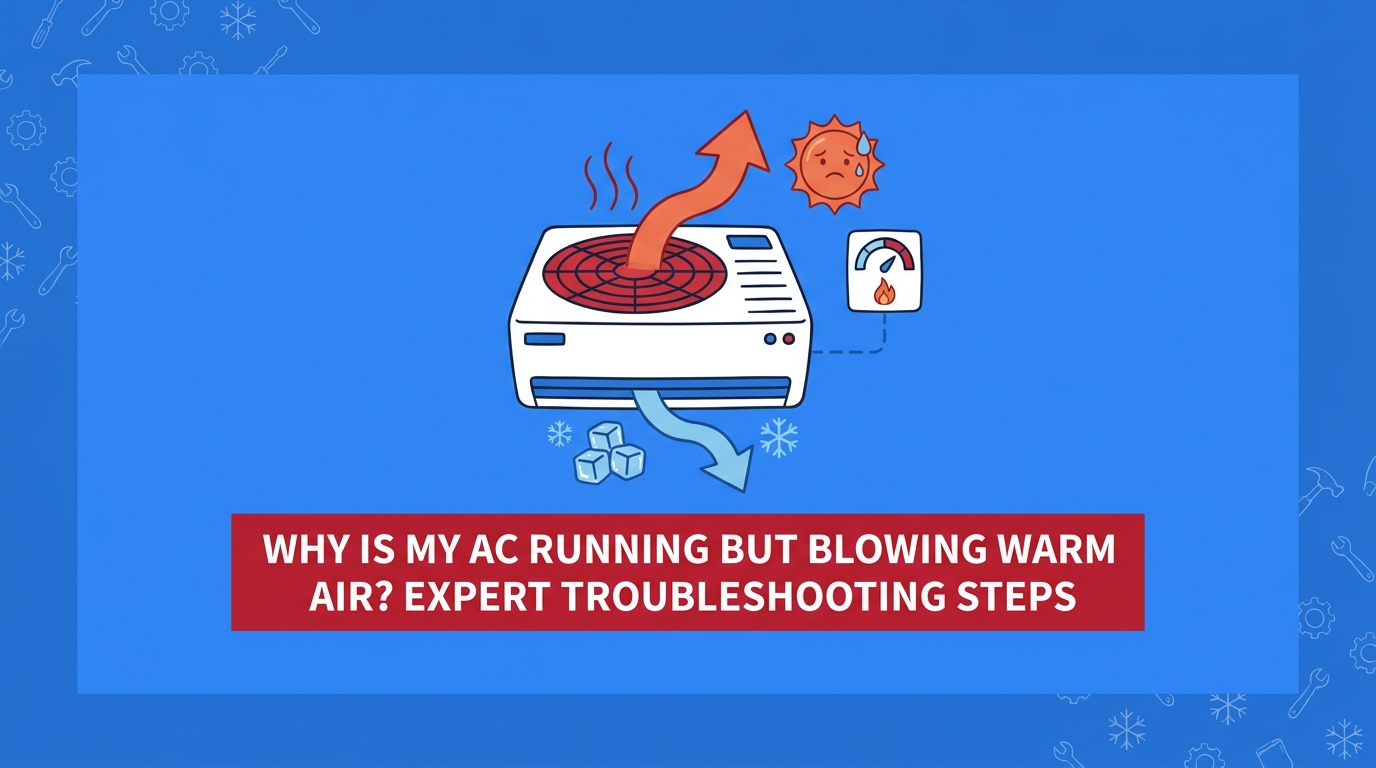
Home Maintenance Tips and Troubleshooting: What to Do When Your AC Freezes Up
Ice on your AC coil? Why we recommend turning it off immediately. Apply these home maintenance tips and troubleshooting steps to safely thaw it and avoid


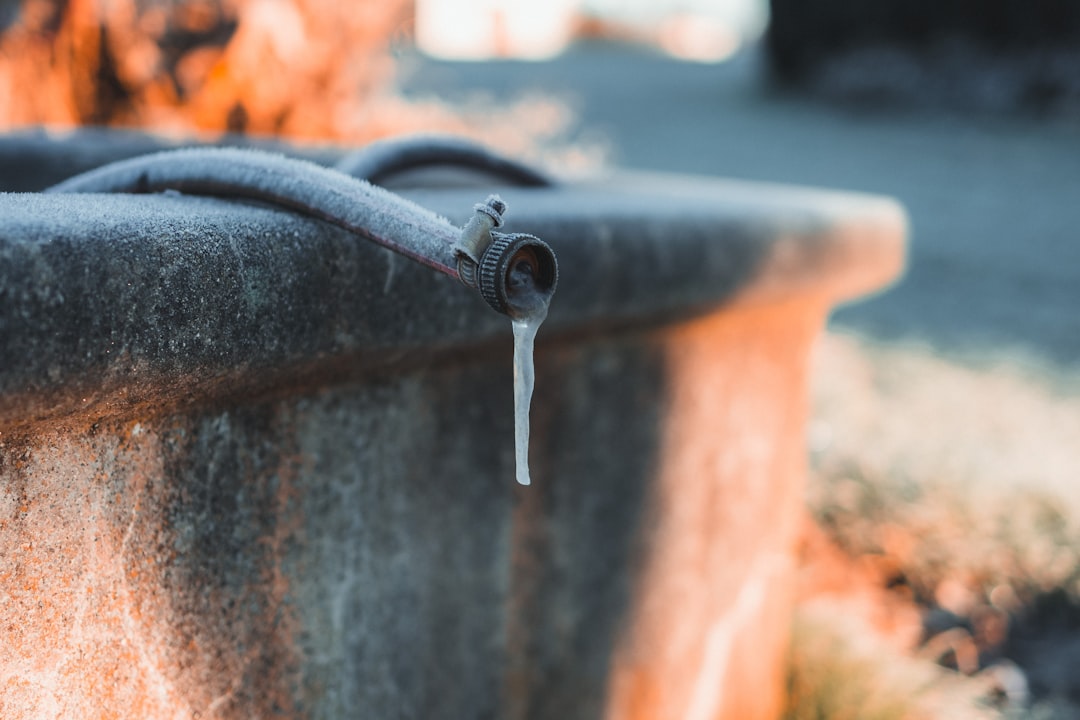
How winter cold snaps affect your pipes and furnace is something every Sacramento-area homeowner should understand — especially when temperatures drop suddenly and without much warning. While our region is known for mild winters, brief but sharp cold spells can push your plumbing and heating systems to their limits in just a matter of hours.
Here's a quick overview of what happens when temperatures plunge:
• Water pipes — What Cold Snaps Do: Water inside pipes freezes and expands — Why It Matters: Can crack or burst pipes, often during thawing
• Outdoor faucets & hose bibs — What Cold Snaps Do: Freeze quickly without protection — Why It Matters: First to fail during a cold snap
• Pipes in exterior walls — What Cold Snaps Do: Exposed to outdoor temps through thin insulation — Why It Matters: High rupture risk overnight
• Furnace — What Cold Snaps Do: Runs 2–3x longer to maintain indoor temperature — Why It Matters: Accelerates wear on filters, igniters, and motors
• Condensate drain lines — What Cold Snaps Do: Can freeze and block drainage — Why It Matters: Triggers furnace safety shutdowns
• Heat pumps — What Cold Snaps Do: Lose efficiency rapidly below 25–30°F — Why It Matters: May struggle to heat your home adequately
Even a single night below 28°F — sustained for several hours — is enough to freeze pipes in unheated spaces like attics, crawl spaces, and garages. And if your furnace fails at the same time? The risk compounds fast. Indoor temperatures can drop several degrees per hour in an older home during extreme cold, putting both your family's comfort and your plumbing at serious risk.
The tricky part: the most dramatic damage — burst pipes, flooding, water-stained ceilings — often doesn't show up while things are frozen. It shows up when the ice thaws and water suddenly rushes through cracks that formed under pressure. By then, the damage is already done.
This guide walks you through exactly what's happening inside your walls and HVAC system during a cold snap, what warning signs to watch for, and what you can do right now — and long term — to protect your home.
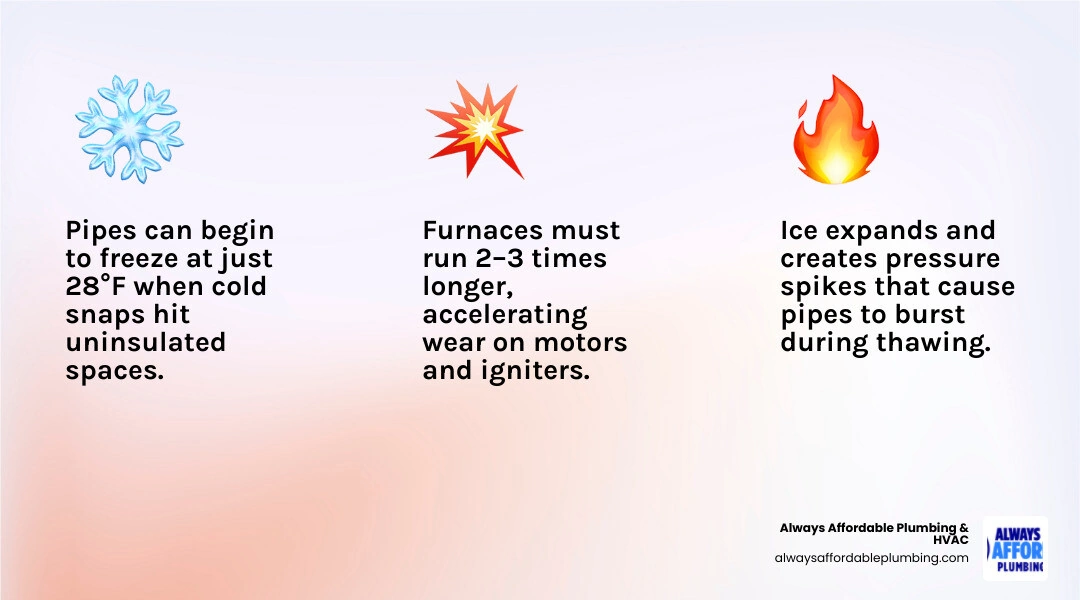
How winter cold snaps affect your pipes and furnace terms at a glance:
• how extreme heat and wildfire smoke stress your systems
• how sacramento climate affects your hvac and plumbing
• how seasonal temperature extremes create year round demands
When a sudden cold snap moves through the Sacramento Valley, it puts our homes through a form of thermal shock. Because our local climate in places like Citrus Heights, Elk Grove, and Roseville is typically mild, our houses aren't built like fortresses against subfreezing weather. Insufficient insulation, exposed crawl spaces, and outdoor HVAC configurations make our properties uniquely vulnerable.
During a cold snap, your plumbing and heating systems experience simultaneous, interconnected stress. As the outdoor temperature drops below freezing, your furnace has to work much harder to keep the living space warm. At the same time, the water inside your plumbing lines begins to lose its heat. If the furnace fails under this heavy load, indoor temperatures quickly plunge, exposing your interior plumbing to the same freezing temperatures as the outdoors. Understanding this relationship is your first line of defense, and taking early steps to Prevent Frozen Pipe Repair can save you from a major headache.
It is a common misconception that water pipes burst simply because ice expands and pushes directly against the pipe walls. While ice expansion is the root cause, the actual physics of a burst are a bit more complex — and dangerous.
Water is one of the few substances on Earth that expands when it transitions from a liquid to a solid. Below 32°F, water molecules begin forming a crystalline structure that occupies roughly 9% more space than liquid water. When ice forms inside a pipe, it doesn't just expand outward; it often forms an ice blockage that seals off a section of the pipe.
As the ice block grows, it acts like a piston, pushing the remaining liquid water down the line toward closed faucets or valves. This creates an extreme hydrostatic pressure spike between the ice blockage and the closed faucet. The pipe doesn't usually rupture at the exact spot where the ice is; instead, it bursts further down the line where the water pressure becomes too intense for the pipe material to contain.
Even more surprising to many homeowners is that the actual leak rarely shows itself while the system is frozen. During the deep freeze, the ice plug itself acts as a temporary seal, blocking any water from escaping. It is only during the thawing phase that the ice melts, allowing pressurized water to rush out of the newly formed crack. This is why a homeowner might think they survived a freeze unscathed, only to find water pooling in their ceiling or crawl space a few hours after temperatures rise. If you find yourself facing this exact scenario, seeking professional Burst Pipe Repair in Folsom, CA or your local area is critical to minimizing water damage.
Your furnace does more than keep you warm; it serves as a protective shield for your home's infrastructure. When your heating system operates normally, it radiates warmth through the floors, walls, and cabinets, keeping the ambient temperature of your home's internal cavities well above freezing.
If your furnace fails during a cold snap, this protective barrier disappears. In a matter of hours, heat escapes through windows, doors, and walls. As indoor temperatures drop toward the 50s and 40s, uninsulated areas like crawl spaces, attics, and exterior wall cavities quickly drop below freezing.
This creates a cascading system failure:
1. The Heat Stops: A minor component failure (like a dirty filter or a failing igniter) causes the furnace to shut down.
2. Rapid Heat Loss: Without a constant supply of warm air, the home's structure cools down rapidly, especially in drafty areas.
3. Pipes Freeze: Pipes running through crawl spaces or unheated basements freeze within hours of the heating system stopping.
4. The Burst: Water pressure builds up, leading to a cracked pipe that begins pouring water into your home the moment temperatures begin to rise.
If your heating system starts acting up during a hard freeze, addressing Heater Repair Issues and Fixes immediately is essential to prevent a localized heating issue from turning into a major plumbing disaster.
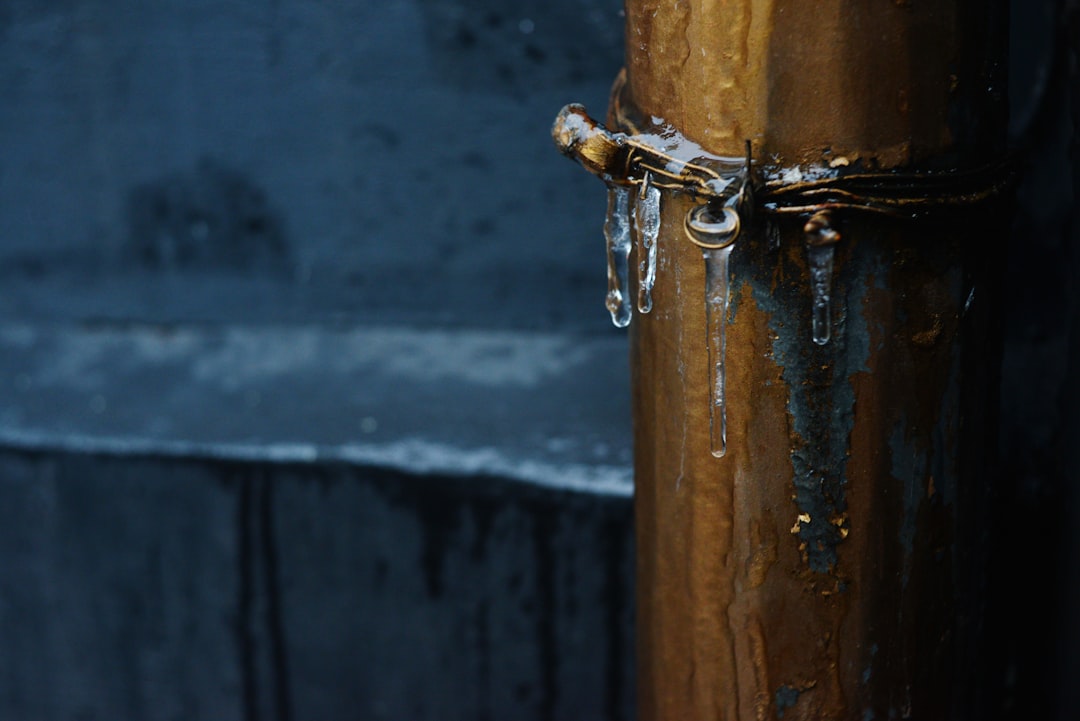
To protect your home, you need to know exactly where your systems are most vulnerable and how to spot the early warning signs of trouble before a pipe actually bursts.
Not all pipes are created equal when it comes to freeze risk. In the Sacramento region, certain areas of the home are highly susceptible to freezing due to how homes are constructed:
• Outdoor Spigots and Hose Bibs: These are directly exposed to the freezing air. If a garden hose is left attached, it traps water inside the spigot, guaranteeing a freeze that can split the pipe inside your wall.
• Pipes in Exterior Walls: Homes in our area often have plumbing lines running through exterior walls with minimal insulation. When cold winds blow against the outside siding, cold air can seep into the wall cavity and freeze the pipe.
• Crawl Spaces and Attics: Many homes in Sacramento, Rancho Cordova, and Fair Oaks feature raised foundations with open crawl spaces. Cold air sweeping under the house can freeze exposed water lines in as little as six hours when temperatures drop below 20°F.
• Slab Foundations near Exterior Rims: Pipes running close to the outer edges of a concrete slab can freeze if the surrounding soil drops below freezing.
Your home will usually try to tell you when the cold is starting to stress your systems. Keep an eye and an ear out for these early warning signs:
1. The Trickling Faucet: If you turn on a faucet and only get a slow trickle or a few drops of water, a pipe leading to that fixture is likely partially or fully frozen.
2. Frost on Exposed Pipes: If you can see utility pipes in your garage, basement, or crawl space and they have frost forming on the outside, they are dangerously close to freezing solid.
3. Strange Noises: Creaking, banging, or bubbling sounds when you turn on a tap can indicate expanding ice or trapped air pockets inside the plumbing system.
4. Gurgling Condensate Drains: If you hear a gurgling sound coming from your furnace's drainage area, it may mean the outdoor portion of your condensate line is beginning to freeze and back up.
5. Damp Spots or Water Stains: New water stains on walls or ceilings, or soft drywall, are a clear sign that a pipe has already cracked and is starting to leak as it thaws.
Protecting your home from the effects of extreme winter weather requires a combination of immediate emergency actions and smart, long-term upgrades.
• Immediate — Action: Let vulnerable faucets drip — How It Helps: Relieves pressure buildup and keeps water moving
• Immediate — Action: Open cabinet doors under sinks — How It Helps: Allows warm indoor air to circulate around pipes
• Immediate — Action: Keep thermostat at a steady temp — How It Helps: Reduces stress on the furnace and maintains pipe warmth
• Long-Term — Action: Install foam pipe insulation sleeves — How It Helps: Retains heat in pipes running through unheated spaces
• Long-Term — Action: Upgrade old lines to PEX — How It Helps: PEX is highly flexible and resists bursting when frozen
• Long-Term — Action: Seal air leaks in crawl spaces/attics — How It Helps: Keeps freezing drafts away from plumbing and ductwork
When a sudden freeze is forecasted for Sacramento, Elk Grove, or Roseville, you should take these immediate steps to safeguard your plumbing overnight:
• Drip Your Faucets: Let cold water drip slowly from faucets served by exposed pipes (such as those on exterior walls). You don't need a heavy stream; a steady drip keeps water moving and, more importantly, relieves the pressure buildup if an ice blockage does form.
• Open Cabinet Doors: Open the cabinet doors under your kitchen and bathroom sinks. This allows the warm air from your heating system to circulate around the pipes.
• Maintain a Steady Thermostat: Avoid setting your thermostat back at night during a deep freeze. Keeping your home at a consistent temperature (at least 65°F to 68°F) reduces the workload on your furnace and ensures your wall cavities stay warm.
• Know Your Main Shutoff: Make sure everyone in your household knows exactly where the main water shutoff valve is located and how to turn it off. If a pipe does burst, shutting the water off immediately can save you thousands of dollars in water damage.
If you want to permanently eliminate the worry of frozen pipes, consider these long-term home improvements:
• Install Foam Pipe Insulation: Wrap all exposed pipes in your garage, attic, and crawl space with high-quality foam insulation sleeves. This is a highly cost-effective way to retain heat in your plumbing lines.
• Upgrade to PEX Piping: If you have older copper or galvanized pipes, upgrading to PEX (cross-linked polyethylene) during a remodel or repipe is a fantastic investment. PEX is highly flexible and can expand significantly without splitting, making it highly resistant to freeze damage.
• Reroute Vulnerable Lines: During plumbing upgrades, have your pipes rerouted away from cold exterior walls and unheated attics into the conditioned living space of your home.
• Seal Air Leaks: Use expanding foam or caulk to seal gaps around outdoor spigots, electrical entries, and foundation vents to keep freezing drafts from blowing directly onto your pipes.
Just like your pipes, your heating system faces an uphill battle during a cold snap. Understanding how the cold affects your furnace can help you prevent a sudden breakdown when you need heat the most.
When temperatures drop below 20°F, your furnace has to run much longer to keep up with the heat loss through your walls and windows. This extended operation places immense stress on electrical components, blower motors, and igniters. If your furnace has a dirty filter or blocked vents, this extra strain can easily cause it to overheat and shut down.
Another common winter issue is a frozen condensate drain line. High-efficiency condensing furnaces produce water as they extract heat from combustion gases. This water drains out of your home through a small PVC pipe. If this line runs through an unheated space or exits to the exterior, it can freeze solid. When the drain is blocked, water backs up into the furnace, triggering a safety switch that shuts the entire system down. If this happens, your furnace will stop heating, and you may find your Furnace Blowing Cold or shutting off entirely.
To keep your heating system running smoothly when the temperature plunges, follow these maintenance best practices:
• Replace Your Air Filter: A dirty air filter restricts airflow, forcing your furnace to work harder and run hotter. Replace your filter before the winter season begins, and check it monthly during heavy use.
• Clear Outdoor Vents: Walk around the exterior of your home and ensure that your furnace’s PVC intake and exhaust pipes are completely clear of leaves, debris, ice, or snow drifts. Blocked vents can cause dangerous gases to back up into your home or trigger an automatic system shutdown.
• Keep Thermostat Settings Consistent: Avoid turning your thermostat down significantly at night during a cold snap. Forcing your system to recover 5 to 10 degrees during the coldest morning hours puts unnecessary strain on the equipment.
• Support Your Heat Pump: If you use a heat pump, be aware that standard models lose efficiency rapidly below 25°F to 30°F. Ensure your outdoor unit is free of ice buildup, and do not cover it, as it requires proper airflow to operate.
When your heating system is working overtime, safety should always be your top priority. Keep these critical safety protocols in mind:
1. Test Carbon Monoxide Detectors: Because your furnace is burning fuel continuously during a cold snap, the risk of carbon monoxide (CO) buildup increases if there is a crack in your heat exchanger or a blocked vent. Ensure you have functioning CO detectors on every level of your home.
2. Use Space Heaters Wisely: If you must use portable space heaters to supplement your heating, keep them at least three feet away from curtains, bedding, and furniture. Always plug them directly into a wall outlet — never an extension cord — and turn them off when you leave the room or go to sleep.
3. Never Use Outdoor Appliances Indoors: Never use a gas oven, grill, or outdoor generator to heat your home. Doing so can cause a rapid, fatal buildup of carbon monoxide.
4. Prepare for Power Outages: Keep flashlights, warm blankets, and non-perishable food on hand in case a winter storm knocks out power to your heating system.
We receive many questions from homeowners in Sacramento, Folsom, and Roseville about how to manage their home systems during sudden winter weather. Here are the answers to the most common concerns.
While water freezes at 32°F, water pipes typically do not freeze until the outdoor temperature drops to 28°F or below for at least six consecutive hours.
In our region, a brief dip to 31°F for an hour or two in the early morning rarely causes issues because the residual heat inside your home's walls and crawl spaces keeps the pipes above freezing. However, during a sustained cold snap where temperatures stay below 28°F overnight, the risk of freezing increases dramatically, especially for exposed outdoor spigots and lines running through drafty crawl spaces.
Yes, it is completely normal for your furnace to run almost continuously when outdoor temperatures drop significantly below our regional average.
Furnaces are sized based on typical local climate conditions. When we experience an unusual subfreezing cold snap, the rate of heat loss from your home can match or exceed the heating capacity of your system. As long as your furnace is maintaining your thermostat's setpoint and blowing warm air, continuous operation is expected and is actually safer for your pipes than cycling on and off.
If your heating system fails during a freeze, don't panic. Take these immediate steps to protect your family and your home:
1. Check the Basics: Verify that your thermostat is set to "Heat," the batteries are fresh, and the furnace power switch is turned on. Check your electrical panel for a tripped breaker.
2. Inspect the Air Filter: If the filter is completely clogged, replace it. This may allow the furnace to reset and start running again after it cools down.
3. Protect Your Pipes: Turn on your faucets to a slow drip, open cabinet doors under sinks, and keep interior doors open to allow what heat remains in the home to distribute evenly.
4. Call for Professional Help: Contact a licensed technician immediately. For homeowners in our service area, consulting our 24-Hour Heating Repair Sacramento, CA Guide can help you get a professional on-site quickly to restore your heat before your pipes are compromised.
When a winter cold snap strikes, your pipes and your furnace face a major test. Because these two systems are deeply interconnected, a failure in one can quickly lead to a disaster in the other. By taking simple, proactive steps — like insulating exposed pipes, replacing your furnace filters, keeping your thermostat consistent, and dripping your faucets — you can keep your home safe, warm, and dry all winter long.
At Always Affordable Plumbing & HVAC, we are proud to serve Sacramento, Elk Grove, Roseville, Folsom, and the surrounding communities with reliable, transparent, and affordable home comfort solutions. Whether you need a winter plumbing inspection, a furnace tune-up, or immediate emergency repairs, our team of licensed professionals is here to help.
Don't wait for the next deep freeze to test your home's limits. Schedule Winter HVAC and Plumbing Services with us today to ensure your heating and plumbing systems are ready for whatever winter throws our way!
See what our satisfied customers have to say about their experience with Always Affordable
Plumbing & HVAC.

"Chappy was very skilled in his knowledge of my HVAC unit. I greatly appreciate the quick response and experienced tech. The whole endeavor was made less stressful by his humor and honest conversation. I find comfort in knowing I now have a shop i trust for the next time."
"Tony, James, Ronnie did an amazing job setting up our new AC! They were quick, efficient, considerate, and polite! We appreciate them scheduling us in on such short notice. Definitely recommend this company!"
"Prompt, professional service with kindness and care. They came out to address both plumbing and AC issues. I received a courtesy call before they arrived. All issues were resolved the same day with integrity and respect. Thankful for businesses like this. Absolutely recommend to those that I love."
"Excellent service! Jason came out promptly and in addition to doing my outside faucet he also put in new irrigation equipment! All done perfectly! Jason was lovely"
"Honest with the assessment; friendly and good manners. No high pressure sales. Just good to honest "tell it like you see it" Thought my kitchen disposer needed an overhaul. But Jason, there Plumber gave me an honest lesson on what was really happening. Saved me hundreds, if I went the route of replacing. Thank you!"
"Absolutely 5 stars. If you are looking for affordable ,professional and kind. Chappy was excellent and very knowledgeable . I called in the morning because my air conditioner stopped working he was here within hours and fixed my air with a smile. I highly recommend Chappy and Always Affordable plumbing and Hvac."
"Scott and James were great. They got there quickly and diagnosed the problem with my A/C.They did a very thorough job testing everything. Sent me pictures and called to keep me informed. Got it done the next day and everything is working fine. Be glad when I get home so I can enjoy my new system. Thanks guys for a great job."
"Chappy was very helpful. He knew our issue right away, cleaned our coils. He also came on the same day we called and got our AC blowing cold air again."
"After some timing ’curfuffles’ the Tech Jason arrived and not only completed a speedy install on my toilet, he was personable & professional. Because of the timing issues Jason was attentive and showed up with everything needed! No extra store runs 😊 I was very comfortable with having this Tech in my Daughter’s home. We will definitely use this Service again."