Why Is My AC Running But Blowing Warm Air? Expert Troubleshooting Steps
Why is your AC blowing warm air? Get clear answers on thermostat settings to check and see common homeowner questions answered before calling for a repair.



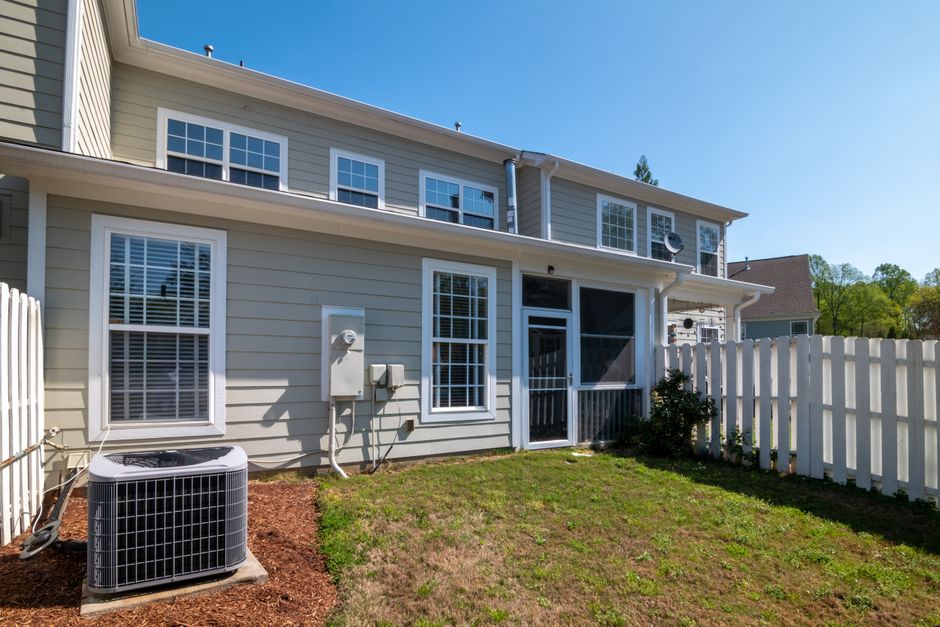
If you're looking for summer HVAC and plumbing tips for Sacramento homeowners, here's a quick overview of the most important actions to take before and during the hot season:
Quick Summary: Top Summer HVAC & Plumbing Tips for Sacramento Homeowners
1. Set your thermostat to 78°F when home and pre-cool before SMUD peak hours (5–8 PM)
2. Replace AC filters monthly during peak summer, and more often during wildfire smoke events
3. Schedule a professional HVAC tune-up in early spring before technician schedules fill up
4. Inspect sprinkler heads and hose bibs for leaks — a single broken head can waste up to 25,000 gallons per month
5. Flush your water heater to clear sediment buildup from increased summer demand
6. Clear gutters, downspouts, and outdoor drains before summer storms hit
7. Seal duct leaks and boost attic insulation to stop wasting cooled air before it reaches your rooms
8. Schedule a sewer line inspection if it's been more than two years — summer root growth can cause serious blockages
Sacramento summers are no joke. From June through September, temperatures regularly climb past 100°F — and in recent years, the valley has seen days pushing 110°F. That kind of heat doesn't just make life uncomfortable. It pushes your air conditioner to its limits, stresses your plumbing system, and can turn a small, ignored problem into an expensive emergency fast.
What makes Sacramento unique is the combination of extreme dry heat, wildfire smoke season, Central Valley clay soil that shifts underground pipes, and a utility structure through SMUD that rewards homeowners who manage their energy use strategically. The good news is that most summer system failures are preventable with the right habits and a little proactive care.
This guide covers everything Sacramento homeowners need to know — from HVAC prep and thermostat strategy to irrigation maintenance, water heater care, and long-term upgrades that pay off year after year.
Living in the Sacramento Valley means experiencing a very specific set of climate patterns. While we love the cooling relief of the Delta Breeze when it sweeps in from the San Francisco Bay, our summer days are characterized by intense, dry heatwaves. This stark contrast between scorching daytime highs and cooler nights creates unique demands on residential infrastructure.
Understanding How Seasonal Temperature Extremes Create Year-Round Demands is the first step toward protecting your property. When the mercury spikes in places like Elk Grove, Roseville, and Davis, your home's cooling and plumbing systems don't just work harder—they run continuously. Without proactive maintenance, this sustained workload can lead to sudden, catastrophic failures right when you need your systems most.
It is a common pattern in our region: the first true 100-degree day of summer arrives, and local HVAC and plumbing dispatch lines light up with emergency calls. Nearly 80% of air conditioner failures during the first major heatwave of the season are completely preventable.
When your AC sits idle through the mild spring months, dust settles, electrical connections can loosen, and the outdoor condenser coils collect leaves and pollen. Forcing a neglected system to run at full capacity on a triple-digit afternoon is a recipe for a blown capacitor, a frozen evaporator coil, or a dead compressor.
The same logic applies to your pipes. The high water demand of summer—driven by heavy irrigation, pool filling, and frequent showers—exposes hidden weaknesses in your plumbing. Learning How to Prevent HVAC Emergencies with Maintenance is the single most effective way to avoid the stress of a mid-July breakdown. Proactive care ensures that minor issues are caught and resolved before they escalate into costly repairs.
You do not need to be a licensed technician to make a massive impact on your home's efficiency and utility bills. In fact, some of the most effective summer HVAC and plumbing tips for Sacramento homeowners involve simple, daily habits.
For starters, we recommend practicing smart water conservation. In our dry climate, water is a precious resource. Simple adjustments, like checking for running toilets and running your dishwasher only when it is fully loaded, keep water waste to a minimum.
When it comes to your thermostat, avoid the temptation to treat it like a volume knob. Cranking it down to 60°F will not cool your house any faster; it simply forces the system to run longer, wasting energy. Instead, establish a consistent cooling schedule and pair it with smart household habits. For a complete list of daily practices to keep your home running smoothly, check out these Best Plumber Tips Keep Your Plumbing Running Smooth This Summer.
When the Sacramento summer hits its stride in June 2026, your air conditioner becomes the most critical appliance in your home. To keep it running efficiently and reliably, you must prepare the system before the extreme heat arrives.
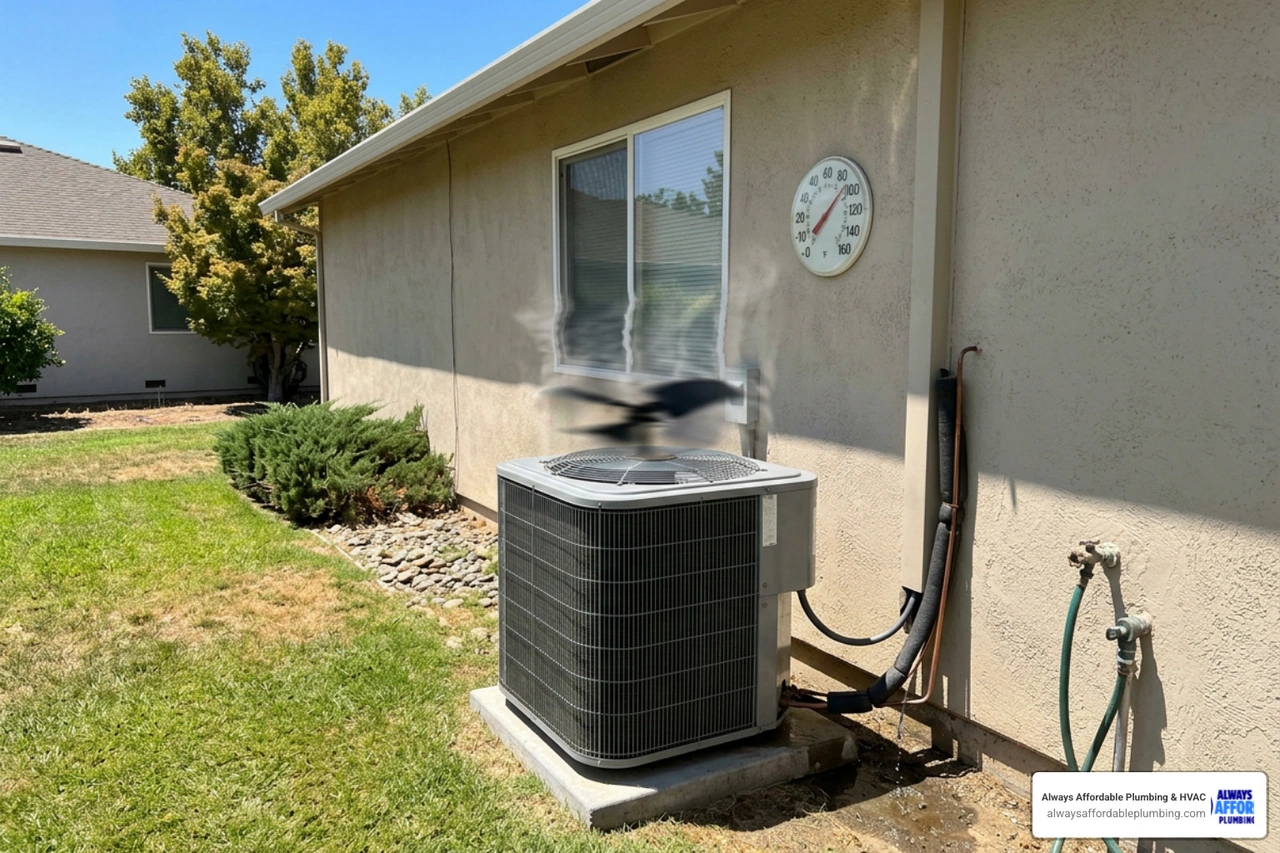
A great starting point is performing a "first-run test" on a mild spring day. Turn your system to cool mode, listen for any unusual squealing or rattling, and verify that cool air is actively flowing from your vents. Additionally, step outside and inspect your outdoor condenser unit. It needs room to breathe. Clear away any weeds, dead leaves, or stored items to maintain at least two feet of clearance on all sides.
To understand why this preparation is so vital, read about the Benefits of Regular Furnace and AC Tune-Ups. If you are curious about what a professional checkup looks like, you can learn more about What Does an HVAC Maintenance Visit Include.
For homeowners in Sacramento, managing your thermostat is about more than just comfort—it is about navigating the local utility rate structures. The Sacramento Municipal Utility District (SMUD) utilizes time-of-use rates, where electricity costs significantly more during peak hours (typically 5:00 PM to 8:00 PM on weekdays).
To keep your bills manageable, we highly recommend a precooling strategy:
• Precool (12:00 PM – 5:00 PM): Lower your thermostat to 72°F or 74°F during the early afternoon when electricity rates are lower. This cools down your home's walls, furniture, and air.
• Peak Hours (5:00 PM – 8:00 PM): Raise your thermostat to 78°F or 80°F. Because your home was precooled, your AC should run minimally during these expensive hours.
• Off-Peak (8:00 PM onwards): Reset your thermostat to a comfortable sleeping temperature (such as 78°F, as recommended by the Department of Energy).
Raising your thermostat by just 2°F can save you 5% to 10% on your cooling costs. A smart or programmable thermostat is an excellent tool for automating this process, ensuring you never forget to adjust the temperature before the peak hours begin.
Sacramento summers often bring another challenge: wildfire smoke. During active fire periods, the air is filled with fine particulate matter (PM2.5) that can easily penetrate your home and degrade your health.
Your HVAC filter is your primary line of defense. While a standard filter can be replaced every 30 to 90 days, we advise Sacramento residents to check air filters every 30 days during peak summer, and replace them monthly (or even every 1 to 2 weeks if there is active wildfire smoke in the valley).
• MERV Ratings: For residential systems, a MERV 8 to MERV 11 filter offers the ideal balance, capturing dust, pollen, and smoke particles without placing too much strain on your AC's blower motor.
• Wildfire Smoke: To understand how outdoor pollutants migrate indoors, read about How Wildfire Smoke Affects Your Indoor Air Quality.
• Air Quality Improvements: For broader strategies on keeping your home's air clean, explore How to Improve Indoor Air Quality at Home and learn How Clean Air Improves Your Health and Comfort.
While DIY tasks like clearing debris and changing filters are incredibly helpful, they cannot replace the expertise of a licensed professional. A neglected AC unit loses roughly 15% of its operating efficiency over time, and its expected lifespan can drop from 15–20 years down to just 10–12 years.
During a professional tune-up, a technician will check refrigerant levels, test the electrical capacitors, lubricate moving parts, and clean the deep interior coils. If you are wondering how frequently these visits should occur, read our guide on How Often Should You Service Your HVAC. For year-round peace of mind, find out Is an HVAC Maintenance Plan Worth It and read our HVAC Maintenance Plan Complete Guide.
Furthermore, system sizing is critical. An oversized AC will cycle on and off rapidly (short-cycling), wearing out components and failing to dehumidify your home. An undersized unit will run constantly, driving up your SMUD bill without ever reaching your target temperature. Learn about Getting the Right Size HVAC for the Sacramento Area Homes and discover How HVAC Load Calculations Work to ensure your home has the perfect system.
In Sacramento, our outdoor plumbing takes a beating during the summer. The combination of intense heat, UV rays, and the natural shifting of our Central Valley clay soil can easily damage your outdoor fixtures and buried water lines.
As the ground dries out and shrinks under the summer sun, underground pipes can shift, leading to silent leaks. At the same time, we tend to drag hoses across the yard, occasionally tugging on outdoor spigots (hose bibs). Over time, this repeated pulling can loosen connections behind your stucco or siding, causing water to drip inside your walls.
For helpful local tips on managing outdoor water use, check out Save Water Sacramento and see how you can get rewarded for conservation by reading Want Money for Saving Water Water Wise Sacramento Plumber.
Your lawn and garden need consistent watering during our dry summers, but a poorly maintained irrigation system can quietly waste thousands of gallons of water. In fact, a single broken sprinkler head can waste up to 25,000 gallons of water per month.
To prevent this, perform a weekly visual check of your sprinkler zones. Look for:
• Broken, cracked, or clogged sprinkler heads.
• Misaligned nozzles spraying water onto your sidewalks, driveway, or home siding (which can rot wood and damage stucco).
• Soggy patches of grass or pooling water, which indicate a underground line leak.
We highly recommend upgrading to a smart irrigation controller. These devices connect to local weather stations and automatically adjust your watering schedule based on temperature and wind, keeping your plants healthy without wasting a drop. Always program your irrigation to run during the early morning hours (before 6:00 AM) to minimize water loss from evaporation and wind drift.
While Sacramento summers are generally dry, we are occasionally hit by sudden, intense summer thunderstorms or heavy runoff from over-irrigation. If your drainage systems are clogged with spring debris, these sudden deluges can cause localized flooding around your foundation.
Take some time to clean out your gutters and downspouts, ensuring they direct water at least three to five feet away from your home's foundation. If you have a basement or crawlspace with a sump pump, test it by pouring a bucket of water into the pit to verify that the float switch activates and the pump clears the water quickly. Keeping outdoor drain grates clear of dirt, leaves, and lawn clippings will ensure that runoff has a clear path away from your property.
Summer is the peak season for tree root growth. Because Sacramento is famous for its beautiful, mature tree canopy, root intrusion is a major concern for local homeowners. As the soil dries out, thirsty tree roots seek out the nearest source of moisture—which is often your underground sewer line.
Roots can easily penetrate tiny cracks or loose joints in older clay or iron pipes. Once inside, they thrive on the nutrient-rich water, growing into thick blockages that catch toilet paper and waste.
Signs of a developing sewer line issue include:
• Multiple slow drains throughout the house.
• Gurgling sounds coming from your toilets when you run the washing machine or shower.
• Persistent sewage odors in your yard or home.
If you haven't had your sewer line inspected in the last two years, scheduling a professional sewer video inspection is highly recommended. If roots are found, hydro-jetting can safely blast them away without damaging your pipes.
When we think of summer heat, we usually focus on our air conditioners, but our indoor plumbing and water heaters also face significant stress. Increased laundry, extra showers after pool days, and general summer chores put a heavy demand on your water heater.
To keep your system running efficiently, it is essential to understand How Extreme Heat Affects Your Water Heater Performance. Additionally, Sacramento's municipal water can carry minerals that leave deposits inside your plumbing. Discovering How a Home Water Filter Helps Your Appliances can save you from premature appliance failures.
Over the course of the year, minerals like calcium and magnesium settle at the bottom of your water heater tank. This sediment acts as a barrier between the burner and the water, forcing your water heater to run longer and hotter to heat the water.
Flushing your water heater tank annually is the best way to remove this sediment, restore heating efficiency, and prolong the life of your tank.
• Temperature Adjustments: We recommend lowering your water heater's temperature setting to 120°F. This is hot enough to kill harmful bacteria but low enough to prevent scalding, reduce energy consumption, and slow down mineral buildup.
• Thermal Expansion: Rapid temperature changes in summer can cause water to expand inside your plumbing system. Ensure your thermal expansion tank is functioning properly and that your pressure relief valve is tested annually to prevent dangerous pressure spikes.
Summer backyard barbecues and family gatherings mean your kitchen sink gets a heavy workout. Unfortunately, this often leads to clogged drains and broken garbage disposals.
To keep your kitchen plumbing running smoothly, follow these simple best practices:
• Avoid Fibrous Foods: Never put fibrous materials like corn husks, celery, onion skins, or potato peels down the disposal. These fibers can wrap around the blades and jam the motor.
• No Grease or Oil: Never pour cooking oil, bacon grease, or fatty drippings down the drain. Grease solidifies inside your cold pipes, creating stubborn blockages that require professional drain cleaning.
• The Cold Water Flush: Always run cold water for 15 seconds before, during, and after using your disposal to help carry food particles completely through your lateral plumbing lines.
• Natural Cleaning: Clean your disposal naturally by grinding ice cubes and citrus peels (like lemon or orange) to scour the blades and eliminate sour odors.
If you want to make a lasting impact on your comfort and utility bills, investing in long-term home upgrades is the way to go. These strategic improvements stop energy waste at the source and ensure your home remains a cool haven even during the worst heatwaves.
• Attic Insulation — Standard Home Feature: R-19 or lower (thin/settled) — High-Efficiency Upgrade: R-38 to R-49 (fiberglass/cellulose) — Summer Impact & Savings: Saves up to $600/year; blocks attic heat (up to 160°F)
• Duct System — Standard Home Feature: Leaky ducts (losing 20-30% air) — High-Efficiency Upgrade: Sealed & insulated ductwork — Summer Impact & Savings: Ensures cooled air actually reaches your living spaces
• Air Conditioner — Standard Home Feature: Standard SEER 14 unit — High-Efficiency Upgrade: Variable-speed SEER 18+ AC — Summer Impact & Savings: Uses up to 50% less energy; superior humidity control
• Water Heater — Standard Home Feature: Standard 50-gallon gas tank — High-Efficiency Upgrade: Tankless water heater — Summer Impact & Savings: Eliminates standby energy loss; endless hot water
Investing in these upgrades also provides significant financial benefits beyond monthly utility savings. For instance, you can learn How a New HVAC System Increases Home Value if you plan to sell down the road, or explore New HVAC Benefits Beyond Comfort to see how modern systems improve your daily quality of life.
For the perfect balance of comfort and savings, we recommend setting your thermostat to 78°F when you are at home. Every degree you raise your thermostat above 78°F can save you up to 3% to 5% on your cooling costs.
To maximize your savings under SMUD's time-of-use rates, use a precooling strategy: lower your thermostat to 72°F during the cheaper off-peak hours (12:00 PM to 5:00 PM), and then raise it to 80°F during the peak hours of 5:00 PM to 8:00 PM to prevent your AC from running when electricity is most expensive.
During the peak of summer, you should check your air filter every 30 days. If the filter looks gray, dusty, or matted, replace it immediately.
If Sacramento is experiencing active wildfire smoke, we recommend checking the filter weekly and replacing it every 1 to 2 weeks. Wildfire smoke contains fine PM2.5 particles that clog filters incredibly fast, restricting airflow and putting dangerous strain on your AC compressor.
While homeowners can easily handle tasks like replacing faucet aerators, clearing minor sink clogs with a hand plunger, or cleaning garbage disposals, complex plumbing tasks require a licensed professional.
You should always call a professional plumber for:
• Sewer Line Backups: If multiple drains are backing up or toilets are gurgling, you need a professional sewer camera inspection and hydro-jetting.
• Water Heater Service: Flushing a water heater, replacing anode rods, or working on gas/electrical connections should always be handled by a pro.
• Outdoor Kitchens & Wet Bars: Any new plumbing installations must comply with local Sacramento building codes and require proper CSLB licensing to protect your home's value and safety.
Taking care of your home’s cooling and plumbing systems doesn't have to be overwhelming. By implementing these summer HVAC and plumbing tips for Sacramento homeowners, you can protect your property from triple-digit heat, avoid emergency breakdowns, and keep your utility bills under control.
At Always Affordable Plumbing & HVAC, we are dedicated to providing our neighbors throughout Sacramento, Elk Grove, Roseville, Folsom, and surrounding areas with top-quality, honest, and affordable services. Whether you need a quick AC tune-up, a sewer line camera inspection, or a water heater flush, our licensed technicians are here to help.
To learn more about our commitment to honesty and fair pricing, read about the Benefits of Choosing an Affordable Transparent HVAC and Plumbing Provider. For priority scheduling, exclusive discounts, and year-round peace of mind, consider joining our Member's Club.
Don't wait for the next major heatwave to test your home's limits. Schedule your summer service today with Always Affordable Plumbing & HVAC and keep your family comfortable all season long!
See what our satisfied customers have to say about their experience with Always Affordable
Plumbing & HVAC.

"Chappy was very skilled in his knowledge of my HVAC unit. I greatly appreciate the quick response and experienced tech. The whole endeavor was made less stressful by his humor and honest conversation. I find comfort in knowing I now have a shop i trust for the next time."
"Tony, James, Ronnie did an amazing job setting up our new AC! They were quick, efficient, considerate, and polite! We appreciate them scheduling us in on such short notice. Definitely recommend this company!"
"Prompt, professional service with kindness and care. They came out to address both plumbing and AC issues. I received a courtesy call before they arrived. All issues were resolved the same day with integrity and respect. Thankful for businesses like this. Absolutely recommend to those that I love."
"Excellent service! Jason came out promptly and in addition to doing my outside faucet he also put in new irrigation equipment! All done perfectly! Jason was lovely"
"Honest with the assessment; friendly and good manners. No high pressure sales. Just good to honest "tell it like you see it" Thought my kitchen disposer needed an overhaul. But Jason, there Plumber gave me an honest lesson on what was really happening. Saved me hundreds, if I went the route of replacing. Thank you!"
"Absolutely 5 stars. If you are looking for affordable ,professional and kind. Chappy was excellent and very knowledgeable . I called in the morning because my air conditioner stopped working he was here within hours and fixed my air with a smile. I highly recommend Chappy and Always Affordable plumbing and Hvac."
"Scott and James were great. They got there quickly and diagnosed the problem with my A/C.They did a very thorough job testing everything. Sent me pictures and called to keep me informed. Got it done the next day and everything is working fine. Be glad when I get home so I can enjoy my new system. Thanks guys for a great job."
"Chappy was very helpful. He knew our issue right away, cleaned our coils. He also came on the same day we called and got our AC blowing cold air again."
"After some timing ’curfuffles’ the Tech Jason arrived and not only completed a speedy install on my toilet, he was personable & professional. Because of the timing issues Jason was attentive and showed up with everything needed! No extra store runs 😊 I was very comfortable with having this Tech in my Daughter’s home. We will definitely use this Service again."