AC Compressor Repair vs. Heat Pump Replacement: Evaluating Your Options
When a 10-year-old AC compressor fails, making the right choice matters. See clear options comparisons for homeowners weighing repair vs replacement today.



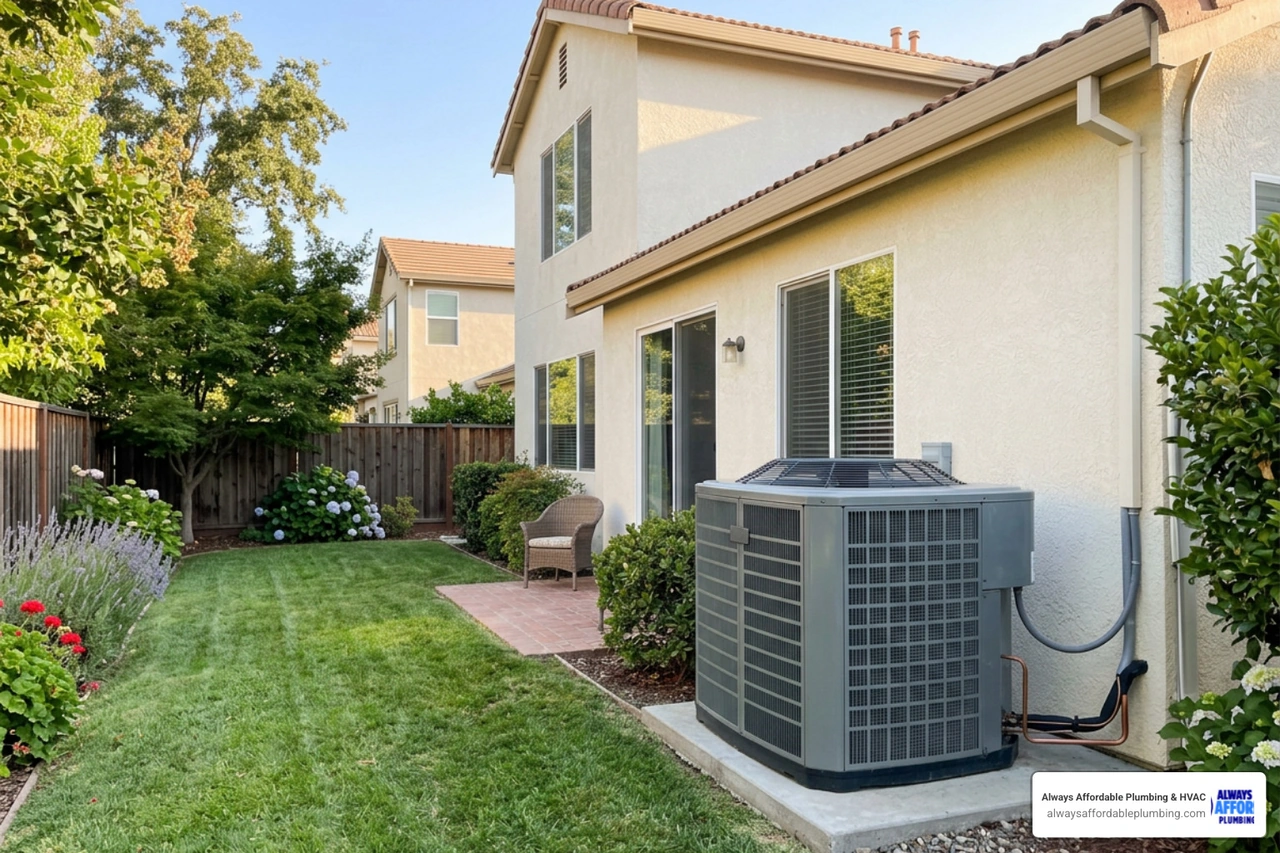
Why oversized HVAC systems waste energy is one of the most important questions any Sacramento homeowner can ask — and the answer affects your monthly bills, your indoor comfort, and how long your equipment lasts. According to Department of Energy data, more than 60% of residential HVAC systems in the U.S. are incorrectly sized. Many are two or even three times larger than the home actually needs. The result is a system that blasts cold or hot air too fast, shuts off before the job is done, and repeats that cycle dozens of times a day — wearing itself out and wasting energy every single time.
Here is a quick summary of why oversized HVAC systems waste energy:
• Short cycling — The system cools or heats too quickly, shuts off early, and never reaches peak operating efficiency
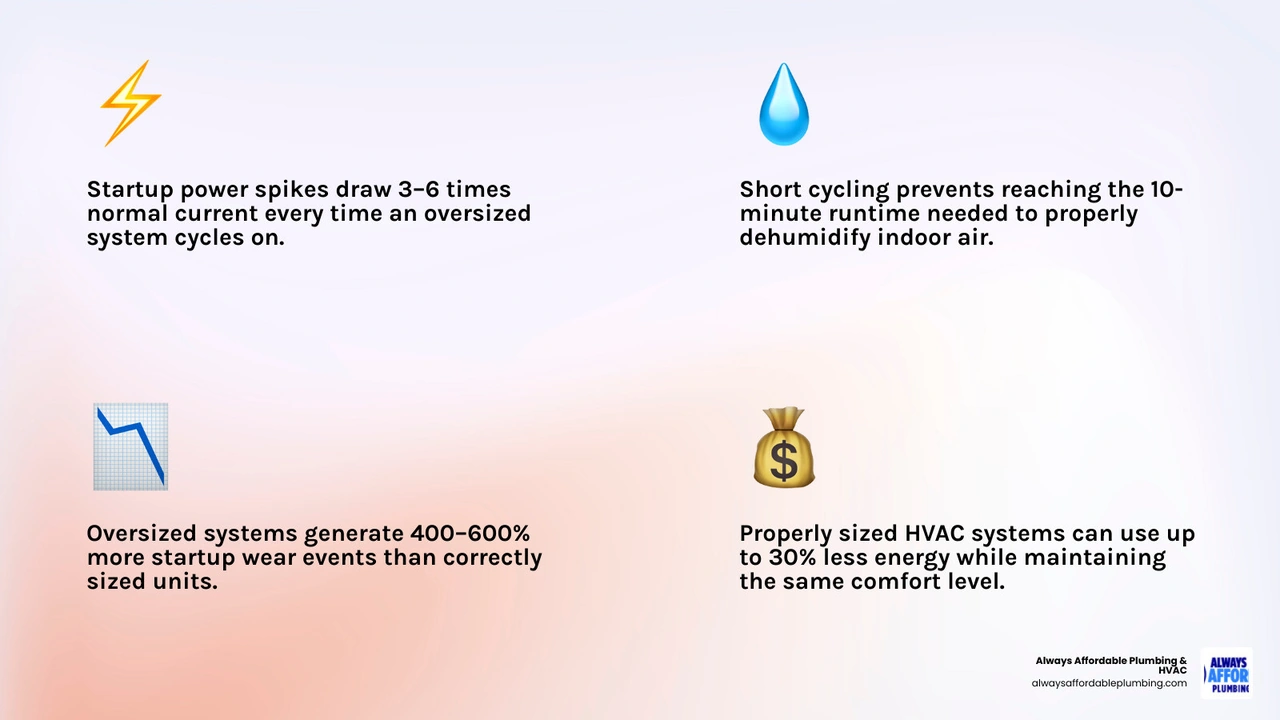
• Startup power spikes — Every time the system starts, it draws 3–6 times its normal running current, and with an oversized unit, those starts happen far too often
• Poor humidity control — An AC needs at least 10 minutes of runtime to remove moisture from the air; oversized units rarely get there
• Parasitic power losses — Components like crankcase heaters draw power even when the system is off, and the more the system cycles, the worse this penalty becomes
• Accelerated wear — Oversized systems can generate 400–600% more startup wear events than properly sized units, cutting equipment lifespan nearly in half
• Up to 30% more energy used — A properly sized system can use up to 30% less energy than an oversized one running the same home
The sections below break down each of these problems in detail, explain the science behind proper HVAC sizing, and show you what to look for if you think your system might be too big for your Sacramento-area home.
Why oversized hvac systems waste energy terms at a glance:
• how hvac load calculations work
• how properly sized systems shorten equipment life
• how proper hvac sizing affects comfort and efficiency
When we talk about an "oversized" HVAC system, we are not referring to the physical dimensions of the outdoor condenser unit or the indoor furnace cabinet. Instead, we are talking about its heating and cooling capacity, which is measured in British Thermal Units (BTUs) and "tons."
One ton of cooling capacity is equal to 12,000 BTUs per hour. This terminology dates back to the days when ice was used for refrigeration; one ton of cooling represents the amount of heat energy required to melt one ton of ice over a 24-hour period. Therefore, a 3-ton air conditioner can remove 36,000 BTUs of heat from your home every hour.
In a typical modern home across Sacramento, Roseville, or Elk Grove, a properly sized system might require anywhere from 2 to 4 tons of cooling, depending on the square footage, insulation quality, and window layout. However, a common mistake made by inexperienced installers is assuming that "bigger is always better."
When an HVAC system is oversized, its heating or cooling capacity vastly exceeds the actual thermal load of the home. If your house only requires 24,000 BTUs (2 tons) of cooling on a scorching 100-degree Woodland afternoon, but an installer puts in a 48,000 BTU (4 ton) system, your unit is 100% oversized. It has too much power for the space it is serving. Understanding the Importance of Home HVAC Installation from a qualified professional is the first step in avoiding this costly error.
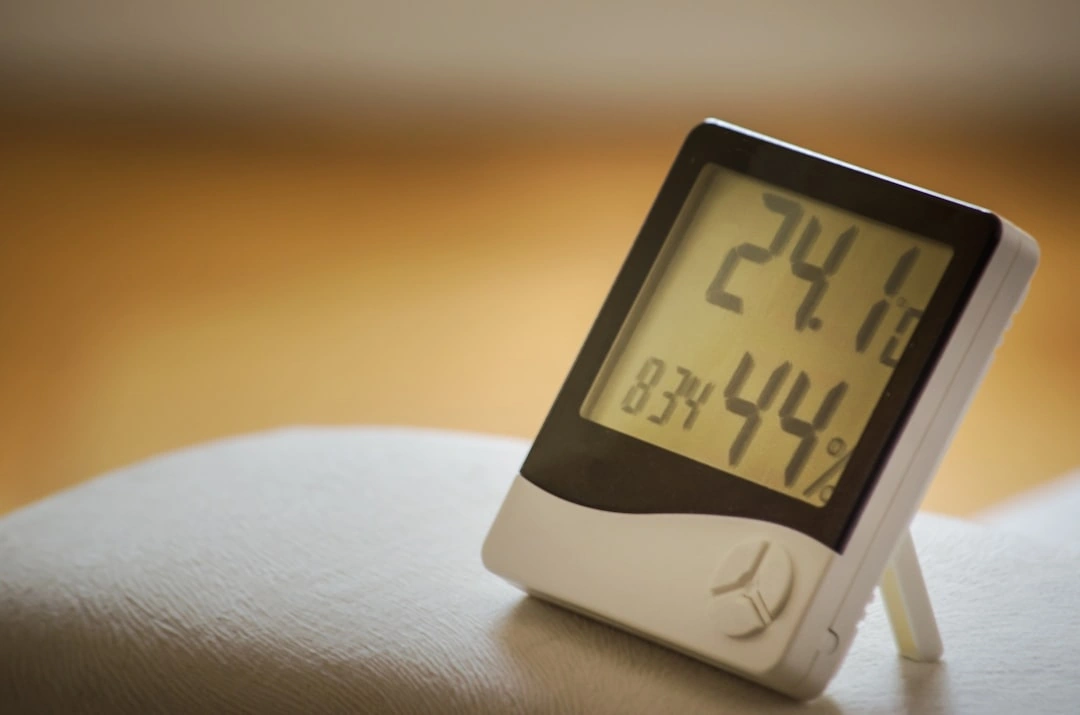
The primary mechanical symptom of an oversized heating or cooling unit is a phenomenon known as short cycling. In a healthy, properly sized HVAC setup, the system turns on and runs for a sustained period—typically 15 to 20 minutes per cycle—about two to three times per hour during peak weather conditions. This allows the system to gently lower the temperature, evenly distribute the air, and run at its peak operating efficiency.
An oversized system does the exact opposite. Because it has an overwhelming amount of capacity, it blasts the home with cold or hot air, rapidly satisfies the thermostat's target temperature in a brief 3-to-7-minute burst, and immediately shuts down. A few minutes later, as the air settles and the thermostat registers a slight temperature change, the system fires up again, runs for another 5 minutes, and shuts off. This rapid-fire on-and-off sequence is short cycling.
This constant cycling is incredibly inefficient due to the physics of how air conditioners and heat pumps operate:
1. The 10-Minute Peak Efficiency Rule: An air conditioner does not instantly run at its rated Seasonal Energy Efficiency Ratio (SEER) the moment it turns on. It takes roughly 10 to 15 minutes of continuous operation for the refrigerant pressures to stabilize, the expansion valve to adjust, and the indoor evaporator coil to reach its optimal operating temperature. Only then does the system reach peak efficiency. An oversized system that only runs for 5 minutes at a time operates entirely within its most inefficient startup phase.
2. Inrush Current (Startup Power Spikes): Electric motors draw significantly more electrical current when they are starting from a dead stop than when they are running at a steady state. This is known as inrush current, and it can be 3 to 6 times higher than the steady-state running current. Because an oversized system cycles on and off 30 to 50 times a day instead of the normal 6 to 8 times, it experiences hundreds of these massive electrical spikes every week, driving up your energy bills.
3. Parasitic Power Losses: Many outdoor condenser units are equipped with crankcase heaters. These heaters keep the compressor oil warm during the off-cycle to prevent liquid refrigerant from mixing with the lubricant. If your system is oversized and spends the vast majority of its day sitting in the "off" state, these crankcase heaters and other standby controls run continuously, creating constant parasitic power draws that can result in an annual energy penalty of up to 14%.
Investing in a right-sized system is crucial for long-term savings, which is why understanding the Energy Efficient HVAC and Home Value Connection is so important for local homeowners looking to maximize their property value and comfort.
To put the energy penalty of short cycling into perspective, consider the efficiency curve of a typical residential air conditioning unit. National research shows that when the operating runtime of an air conditioner increases from 5 minutes to just 9 minutes, the overall operating efficiency improves by 17 percent (with the Energy Efficiency Ratio, or EER, jumping from 6 to 7).
When a system is forced to start up repeatedly, it wastes a massive portion of its consumed electricity simply building up the pressure differential needed to circulate refrigerant. The table below illustrates the stark contrast between a right-sized system and an oversized system operating in identical weather conditions:
• Average Cycle Length — Right-Sized HVAC System (e.g., 2.5 Tons): 15 to 20 minutes — Oversized HVAC System (e.g., 4 Tons): 4 to 7 minutes
• Cycles Per Hour (Peak Load) — Right-Sized HVAC System (e.g., 2.5 Tons): 2 to 3 cycles — Oversized HVAC System (e.g., 4 Tons): 6 to 10 cycles
• Daily Startup Wear Events — Right-Sized HVAC System (e.g., 2.5 Tons): 6 to 8 starts — Oversized HVAC System (e.g., 4 Tons): 30 to 50 starts
• Startup Electrical Draw (Inrush) — Right-Sized HVAC System (e.g., 2.5 Tons): Occasional (Normal) — Oversized HVAC System (e.g., 4 Tons): Frequent (High Utility Impact)
• Time Spent at Peak SEER Efficiency — Right-Sized HVAC System (e.g., 2.5 Tons): 70% to 80% of run cycle — Oversized HVAC System (e.g., 4 Tons): 0% (Never reaches peak state)
• Dehumidification Ability — Right-Sized HVAC System (e.g., 2.5 Tons): Excellent (Long, steady runs) — Oversized HVAC System (e.g., 4 Tons): Poor (Cool but clammy air)
• Relative Indoor Humidity — Right-Sized HVAC System (e.g., 2.5 Tons): 40% to 50% — Oversized HVAC System (e.g., 4 Tons): 60% or higher
While the energy waste of an oversized system is bad enough, the impact on your home's comfort and the physical health of your equipment is even worse.
To understand why oversized systems struggle with comfort, we have to look at the difference between sensible cooling (lowering the actual air temperature) and latent cooling (removing moisture from the air).
When warm, humid air passes over a cold evaporator coil, the moisture in the air condenses onto the metal fins of the coil and drains away. This process requires time. An oversized system cools the air so quickly that it satisfies the thermostat based purely on sensible heat reduction. It shuts off long before the evaporator coil has had enough time to pull moisture out of the air.
This leaves your home cold but extremely humid—a condition often described as "cool and clammy." High indoor relative humidity (above 50% to 60%) not only feels uncomfortable but also creates an ideal breeding ground for mold, dust mites, and other allergens, severely compromising your indoor air quality.
An HVAC system is a complex mechanical assembly. Every time it cycles on, the compressor, blower motor, and outdoor fan motor experience intense thermal and electrical stress.
• Compressor Oil Degradation: The compressor relies on specialized oil to lubricate its internal moving parts. During short cycles, the compressor does not run long enough to reach its optimal operating temperature. This can cause refrigerant to migrate into the oil, reducing its viscosity and leading to internal metal-on-metal grinding.
• Contactor and Capacitor Failure: The electrical contactors and run capacitors bear the brunt of the inrush current during startup. Forcing these components to handle 400% to 600% more startup events than they were designed for leads to pitted contacts, swollen capacitors, and premature component burnouts.
• Cracked Heat Exchangers: In the winter, an oversized furnace will blast hot air and shut down quickly, causing the metal heat exchanger to rapidly expand and contract. This extreme thermal cycling leads to metal fatigue, eventually cracking the heat exchanger—a dangerous condition that can leak carbon monoxide into your home.
Because of this constant mechanical abuse, the expected lifespan of an oversized system is often slashed from a standard 15 to 20 years down to just 8 to 10 years.
To prevent these premature breakdowns, keeping up with maintenance is essential. Homeowners often ask, "Is an HVAC Maintenance Plan Worth It?" The answer is a resounding yes, especially if your system is working harder than it should. Regular checks can catch the symptoms of oversizing before they lead to catastrophic system failure. For our neighbors living in the Central Valley, understanding the Benefits of Regular HVAC Maintenance in Hot Dry Valley is particularly critical to surviving our intense summers. To keep your system running safely, consult our How Often Should You Service Your HVAC guide to establish a reliable service schedule.
How do professional HVAC contractors avoid the trap of installing oversized equipment? They rely on science, physics, and industry-standard protocols developed by the Air Conditioning Contractors of America (ACCA): Manual J and Manual S.
A Manual J calculation is a precise mathematical assessment of a home's actual heating and cooling needs. Rather than using outdated "rules of thumb" (such as assuming every home needs 1 ton of cooling per 500 square feet), a Manual J calculation takes into account a wide range of structural and environmental variables:
• The exact square footage and ceiling heights of every room
• The R-value of the insulation in the attic, walls, and floors
• The orientation of the home (which direction the windows face)
• The type, glazing, and shading of all windows and doors
• Local climate data (such as Sacramento's dry, triple-digit summer afternoons)
• Internal heat gains from appliances, lighting, and the number of occupants
• Air infiltration rates (how leaky or tight the home's envelope is)
Once the exact heating and cooling loads are calculated using Manual J, we use Manual S to select the equipment. Manual S ensures that the chosen air conditioner, heat pump, or furnace matches those calculated loads at real-world operating conditions. For example, Manual S guidelines dictate that a cooling system should not exceed 115% of the calculated Manual J load. This prevents the intentional "padding" of equipment sizes that leads to short cycling.
Using these precise methods ensures you enjoy all the New HVAC Benefits Beyond Comfort, including lower energy bills and quiet, reliable operation. If you want to keep your newly sized system running perfectly, refer to our Annual HVAC Maintenance Guide 2026 for a complete checklist of yearly upkeep tasks.
A right-sized HVAC system operates at steady-state efficiency for the majority of its run cycle, using up to 30% less energy than an oversized unit. While an oversized system is constantly starting, stopping, and drawing massive spikes of current, a right-sized system runs in long, efficient cycles that slowly extract heat and moisture from your home.
Furthermore, right-sized systems are designed to handle "part-load" conditions. Most of the year, your home does not require the maximum cooling capacity of your system. A properly sized unit, especially one paired with modern variable-speed inverter technology, can modulate its output down to match these lower demands, keeping your energy bills consistently low.
However, even inverter systems have limits; if the maximum capacity of the variable-speed unit is drastically oversized, it will still be forced to short-cycle during mild spring or autumn weather.
When calculating the perfect size for your home, our technicians evaluate several critical home-specific factors:
• Ductwork Capacity and Static Pressure: If your ductwork is too small for a large system, it creates high static pressure. This makes the system incredibly noisy, restricts airflow, and can cause the evaporator coil to freeze up.
• Insulation and Air Sealing: Upgrading your home's insulation or sealing drafty windows reduces your heating and cooling loads, meaning you can actually install a smaller, more affordable, and more efficient HVAC system than before.
• Zoning and Multi-Story Layouts: Multi-story homes in Sacramento often suffer from uneven temperatures. Properly sizing and zoning the system ensures that upstairs bedrooms stay cool without freezing out the downstairs living room.
The most common warning signs of an oversized air conditioner include:
• Short runtimes: The system runs for less than 10 minutes at a time before shutting off.
• High indoor humidity: Your home feels cool but clammy, and indoor relative humidity levels stay above 55% to 60%.
• Uneven temperatures: You notice dramatic temperature swings between rooms or rapid cooling blasts followed by immediate warm pockets.
• Excessive noise: The indoor blower sounds incredibly loud, or you hear the ductwork rattle and pop every time the system starts up due to excessive airflow pressure.
Not necessarily. While an undersized system will run continuously, a properly sized system is actually designed to run almost non-stop on the hottest summer afternoons in Sacramento to maintain your comfort efficiently.
If your system is running constantly but your home is warm, it could be caused by dirty air filters, low refrigerant levels, leaky ductwork in your attic, or a failing compressor rather than an undersized unit. A professional diagnostic assessment is the only way to know for sure.
No. A smart thermostat is a fantastic tool for scheduling and energy management, but it cannot override the laws of physics.
Some thermostats allow you to adjust the "cycle differential" or set minimum runtimes to force longer cycles, but this is merely a temporary band-aid. Forcing an oversized system to run longer will simply over-cool or over-heat your home, leading to extreme discomfort and still wasting energy. The only true fix for an oversized system is replacing it with properly sized equipment.
At Always Affordable Plumbing & HVAC, we are committed to helping homeowners throughout Sacramento, Roseville, Elk Grove, Folsom, and the surrounding areas achieve true home comfort without wasting energy or money. Our team of licensed, highly trained technicians uses precise Manual J and Manual S calculations to ensure your new heating and cooling system is sized perfectly for your unique home.
Whether you need a comprehensive diagnostic check on your current system, regular seasonal maintenance, or a brand-new energy-efficient installation, we are here to provide transparent, high-quality, and affordable solutions. Plus, members of our exclusive Member's Club enjoy priority scheduling, valuable discounts, and peace of mind all year long.
If you suspect your heating or cooling system is short cycling, wasting energy, or leaving your home feeling clammy, do not wait for a costly breakdown. Learn more about How to Choose the Best HVAC Company in Sacramento to protect your investment, and contact us today to schedule professional sizing and installation services with our friendly team!
See what our satisfied customers have to say about their experience with Always Affordable
Plumbing & HVAC.

"Chappy was very skilled in his knowledge of my HVAC unit. I greatly appreciate the quick response and experienced tech. The whole endeavor was made less stressful by his humor and honest conversation. I find comfort in knowing I now have a shop i trust for the next time."
"Tony, James, Ronnie did an amazing job setting up our new AC! They were quick, efficient, considerate, and polite! We appreciate them scheduling us in on such short notice. Definitely recommend this company!"
"Prompt, professional service with kindness and care. They came out to address both plumbing and AC issues. I received a courtesy call before they arrived. All issues were resolved the same day with integrity and respect. Thankful for businesses like this. Absolutely recommend to those that I love."
"Excellent service! Jason came out promptly and in addition to doing my outside faucet he also put in new irrigation equipment! All done perfectly! Jason was lovely"
"Honest with the assessment; friendly and good manners. No high pressure sales. Just good to honest "tell it like you see it" Thought my kitchen disposer needed an overhaul. But Jason, there Plumber gave me an honest lesson on what was really happening. Saved me hundreds, if I went the route of replacing. Thank you!"
"Absolutely 5 stars. If you are looking for affordable ,professional and kind. Chappy was excellent and very knowledgeable . I called in the morning because my air conditioner stopped working he was here within hours and fixed my air with a smile. I highly recommend Chappy and Always Affordable plumbing and Hvac."
"Scott and James were great. They got there quickly and diagnosed the problem with my A/C.They did a very thorough job testing everything. Sent me pictures and called to keep me informed. Got it done the next day and everything is working fine. Be glad when I get home so I can enjoy my new system. Thanks guys for a great job."
"Chappy was very helpful. He knew our issue right away, cleaned our coils. He also came on the same day we called and got our AC blowing cold air again."
"After some timing ’curfuffles’ the Tech Jason arrived and not only completed a speedy install on my toilet, he was personable & professional. Because of the timing issues Jason was attentive and showed up with everything needed! No extra store runs 😊 I was very comfortable with having this Tech in my Daughter’s home. We will definitely use this Service again."